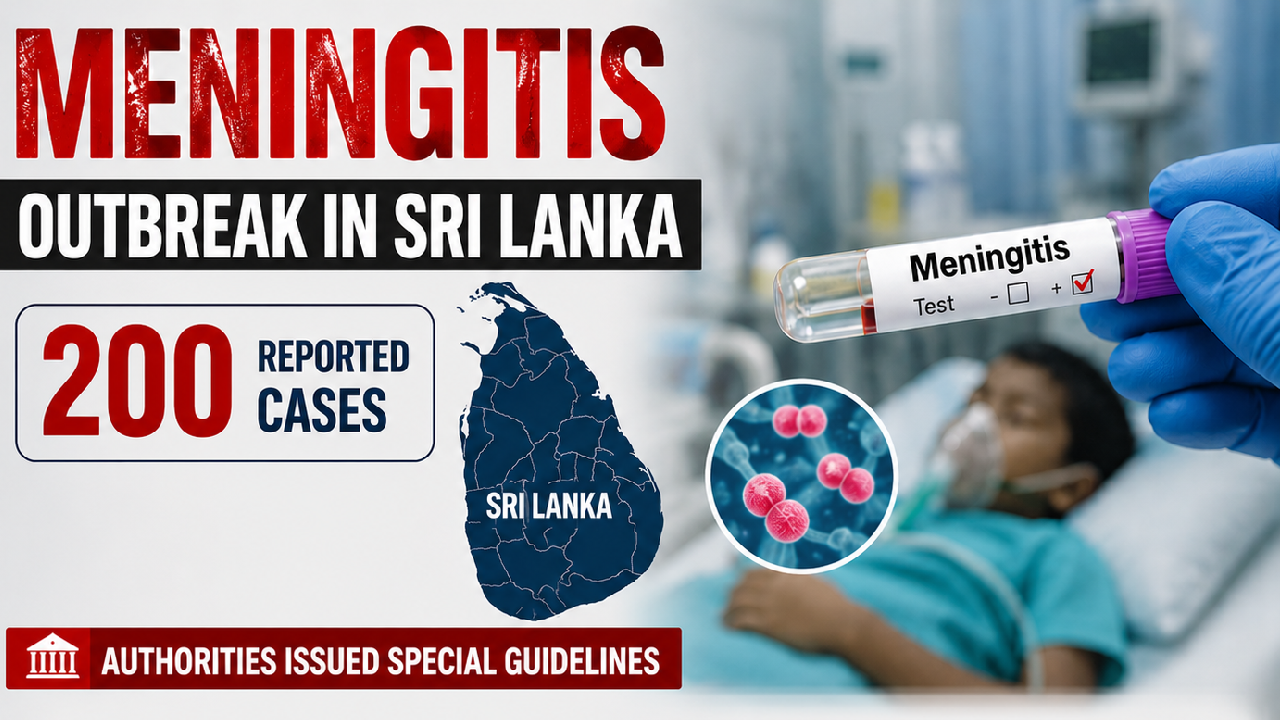
Sri Lanka is facing a meningitis outbreak, and according to the Health Promotion Bureau of Sri Lanka, 200 people have been infected by this virus. As of now, about 50 people are getting treatment at the hospitals across four districts. The disease was first found among a group of school goers in the Deniyaya area before spreading to other areas, including Diyatalawa, Welimada, and Rikillagaskada. The health authorities of the island nation have already issued special guidelines to stop the spread of the disease.The authorities there said the disease mainly spreads through contaminated food and water, and it can also be transmitted through droplets released when an infected person coughs or sneezes, as well as through close contact. The citizens were also asked to drink boiled water and avoid crowded places.The Health Ministry of Sri Lanka has appointed a special team consisting of virologists and epidemiologists to conduct observations on the viral meningitis condition reported from the Central and Southern provinces and to identify its viral transmission pattern.“Though the cases show signs of meningitis, they have rarely progressed to encephalitis, a potentially life‑threatening inflammation of brain tissue, as the virus itself is self-limiting, allowing the immune system to overcome the ailment,” the deputy minister, Dr. Wijeyamuni, said.What Is Meningitis?Meningitis is an infection of the protective membranes around the spinal cord and the brain. It can become very serious if not treated or diagnosed in time. It is a consequence of bacterial or viral infection. Despite being a rare occurrence, the infection can spread through coughs, sneezes, a cold, or physical contact in the form of kissing.Understanding the symptoms, causes, and treatment options is important for early diagnosis and timely medical care.Also Read: Does Meningitis Always Cause Fever?Symptoms Of MeningitisHealth officials urged the public to remain alert to the warning signs of meningococcal meningitis. Common symptoms include:RashHeadacheNeck stiffnessFeverDrowsinessNausea or vomitingIncreased sensitivity to lightHow is Meningitis Diagnosed?Physicians diagnose meningitis using a combination of clinical presentation, laboratory examinations, and imaging tests. Important diagnostic tests are Lumbar Puncture (Spinal Tap), Blood Cultures, and Imaging (CT or MRI Scans).