
- Health Conditions A-Z
- Health & Wellness
- Nutrition
- Fitness
- Health News
- Ayurveda
- Videos
- Medicine A-Z
- Parenting
Planning A Pregnancy In The 30s: Expert Answers FAQs On Women's Fertility in 30s
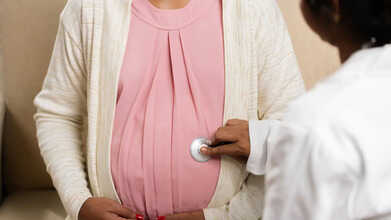
Women over 35 must seek medical advice before planning a pregnancy to avoid complications.
New Delhi: You have entered your 30s, plan a pregnancy before it is too late - this is something women in their 30s have to hear quite often. The 30s decade is a critical period when a woman’s fertility level decreases. Women within this decade are capable of getting pregnant without any difficulties. However, their fertility level decreases as time progresses, especially when they are over 35 years old. This is mainly due to a reduction in the quantity and quality of eggs produced by the ovaries. In addition, hormonal changes influence ovulation among women within this decade. This makes it slightly harder to get pregnant within this decade as opposed to the 20s.
Dr. Puneet Rana Arora, Director-Reproductive Health Expert, CIFAR, Gurugram, explained in an interview with Health and Me just how women's fertility starts to decline in the 30s. The expert listed some of the common challenges and offered solutions as well.
Read more: Beyond The Bump: Tackling The Stigma Of Mental Health
Common Challenges in Your 30s
Besides the challenges that come with aging, which influence fertility among women within this decade, other challenges such as fibroids, endometriosis, and thyroid conditions may influence fertility levels. In addition, there is a higher risk of miscarriage and birth defects. However, women within this decade are capable of getting pregnant with medical assistance.
Moreover, regular health check-ups and ovulation patterns may greatly increase your chances of becoming pregnant. Emotionally, this is a very important aspect, and your partner's support is equally important. However, with proper guidance, timely care, and a positive outlook, women in their 30s may have a healthy pregnancy and a fulfilling experience of being a mother.
Importance of Preconception Health
Preparation is essential to a successful pregnancy. A healthy diet, vitamins, exercise, and a healthy weight are just to name a few of the things to consider when getting your body ready for a baby. Giving up smoking, drinking less alcohol, and lowering your stress levels are all other essential factors to consider. Vitamins, especially folic acid, are essential for the early development of your baby, even before conception.
When to Seek Medical Advice
If you are planning to conceive in your 30s, it is always advisable to seek medical advice that may even include basic fertility tests to increase your chances of conceiving. Women over the age of 35 are advised to seek medical advice if they have been trying to conceive for six months.
Fertility in your 30s is your golden chance to become a mother. Being aware of the importance of the right steps towards a healthy pregnancy at your 30s is essential to a successful pregnancy
- Follow Us :


© 2024 Bennett, Coleman & Company Limited