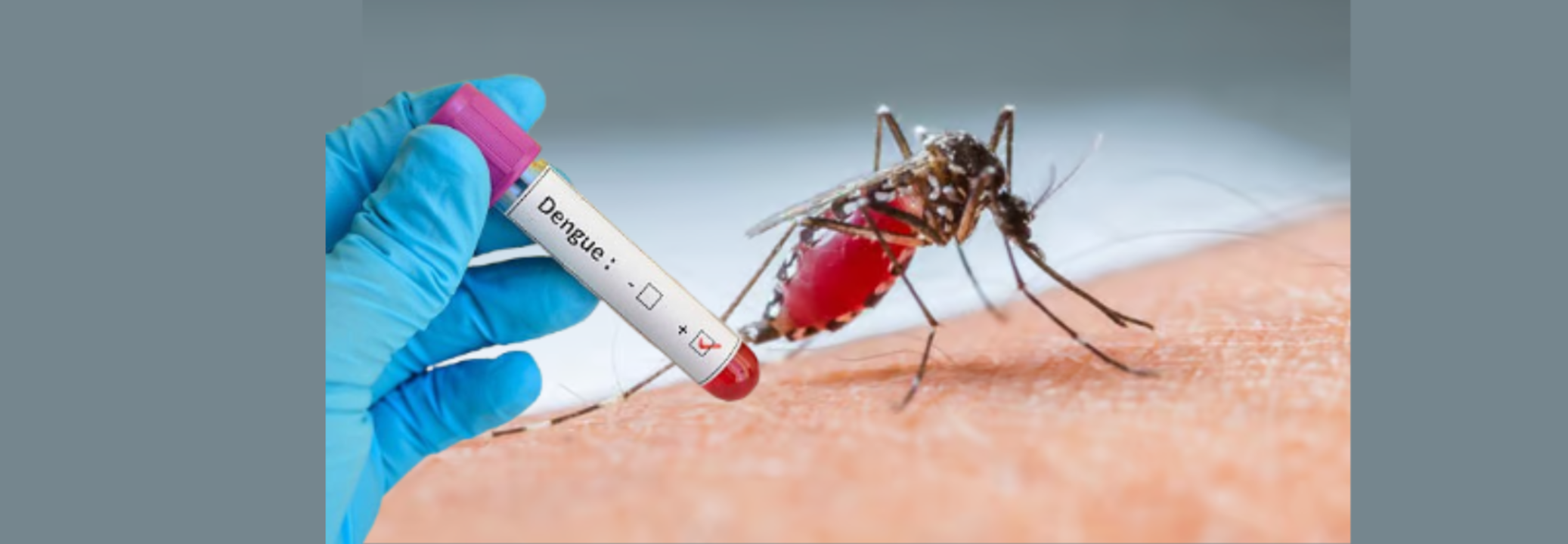
Bengaluru is witnessing a significant surge in dengue cases, with infections crossing the 10,000 mark, prompting health authorities and educational institutions to ramp up preventive measures. According to recent reports, the city's dengue crisis is affecting a wide range of age groups, with children between the ages of 6 and 16 constituting approximately 25% of the cases. This alarming increase has led the Department of Education to issue advisories to schools, urging them to implement stringent mosquito control measures and educate students on prevention techniques.Dengue Cases On the RiseKarnataka, in total recorded 22,126 positive dengue cases with 249 patients hospitalised. Over 1.55 lakh people have been tested for dengue and over 62% (13,832) of those who tested positive were aged 18 years and above with highest number of positive cases at 10,039, followed by 798 cases in Hassan, 769 in Mandya, and 748 in Mysuru districts.The spike in dengue cases across Bengaluru can be attributed to several factors, including the ongoing monsoon season, which creates ideal breeding conditions for mosquitoes. The health department has been working tirelessly to curb the spread of the virus, but the sheer volume of cases poses a significant challenge. Hospitals across the city have been flooded with patients exhibiting symptoms such as high fever, severe headaches, and joint pain, all classic signs of dengue infection. The increase in cases has also been observed in other parts of the state, particularly among children, making it a public health priority.As per the data released by the School Education Department, children in the age group of 6-16 years account for 25 per cent of the people affected by dengue in the state as on July 27 this year.Dengue, a viral illness transmitted by the Aedes mosquito, is known for its rapid spread in urban areas, especially during the rainy season. The situation in Bengaluru is being closely monitored by health officials, who are urging residents to take proactive measures to protect themselves and their families. This includes eliminating stagnant water sources where mosquitoes breed, using mosquito repellents, and ensuring proper sanitation practices. Schools have been particularly targeted in the prevention campaign, with authorities emphasizing the importance of maintaining clean surroundings and ensuring students wear protective clothing.Symptoms of DengueHere are some common symptoms of dengue:High fever RashesMuscle and joint painAbdominal painSevere headacheVomiting and nauseaPain behind the eyesBleeding gums and noseDengue Prevention and ControlThe World Health Organisation (WHO) has provided essential tips to help lower the risk of dengue by protecting yourself from mosquito bites:- Wear clothing that covers most parts of your body.- Use mosquito nets while sleeping during the day.- Install window screens.- Apply mosquito repellents containing DEET, Picaridin, or IR3535.- Utilize coils and vaporizers.To prevent mosquito breeding, WHO recommends the following measures:- Manage and modify the environment to prevent mosquitoes from accessing egg-laying sites.- Eliminate any containers that can hold water for days and properly dispose of solid waste.- Clean domestic water storage containers weekly, changing the water regularly and ensuring they are covered properly.- Use insecticide in outdoor water containers to eliminate larvae.In light of the rising dengue and chikungunya cases, the department has issued an advisory urging school authorities to implement precautionary measures. The School Development and Monitoring Committees (SDMC) have been instructed to distribute mosquito repellents and ensure that school premises are kept free of stagnant water, which can serve as breeding grounds for mosquitoes.The Bengaluru health department has intensified its awareness campaigns and fogging operations across the city. Residents are being encouraged to report any symptoms of dengue to health authorities immediately and seek medical attention if necessary. The collaboration between government bodies, healthcare providers, and the general public is crucial in controlling the spread of dengue and minimizing its impact on the city's population.