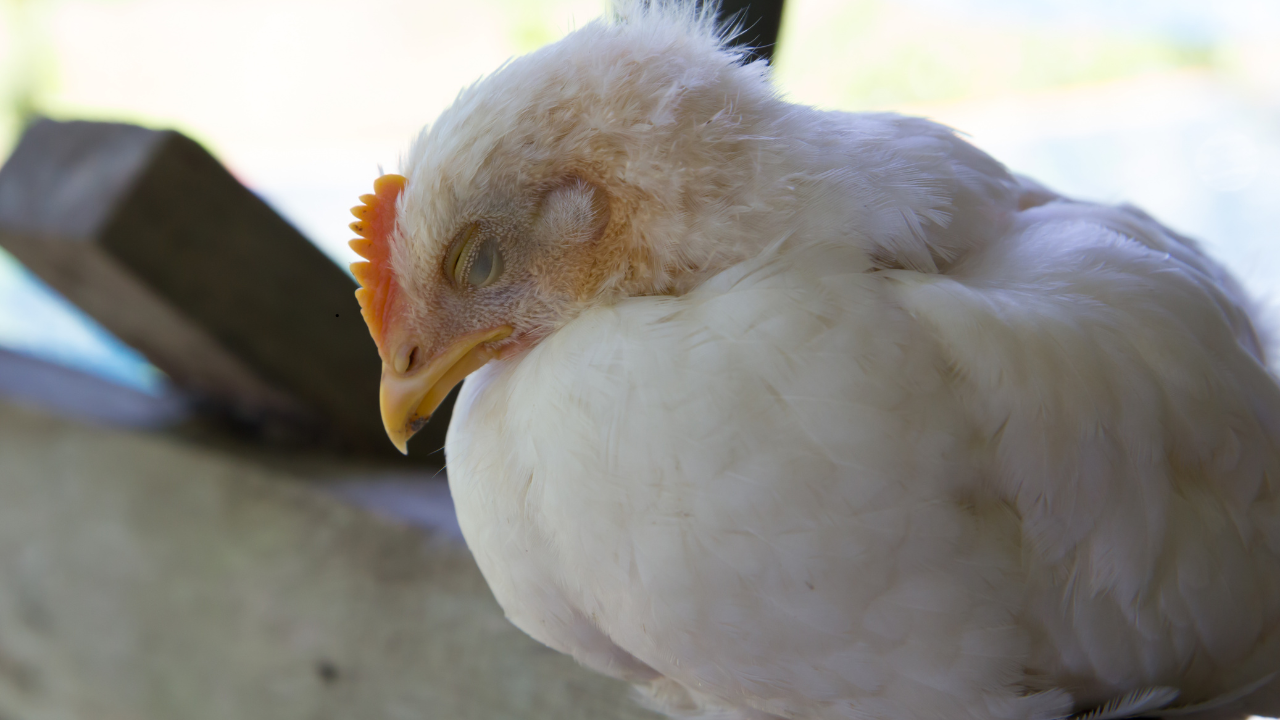
The highly pathogenic H5N1 bird flu virus has now spread to a second Australian state. Less than a week after it was first identified in two seabirds in Western Australia, authorities have confirmed another case in South Australia.For the general public, the health risk remains low. Experts say people who don't regularly handle infected birds or animals are unlikely to contract the virus. However, Australia's poultry industry is treating the situation with extreme caution.If the virus were to reach commercial poultry farms, the consequences could be severe. Millions of chickens and other birds could either die from the disease or be culled to stop it from spreading. Such an outbreak could also trigger export restrictions on Australian poultry products and leave farmers facing massive cleanup and recovery costs, even with government assistance.So far, there is no evidence that H5N1 has entered any commercial poultry farms or Australia's native wild bird populations. The confirmed cases have been limited to wild seabirds.Even so, poultry producers across the country—particularly in Western Australia and South Australia—are already tightening biosecurity measures to reduce the risk of the virus reaching their flocks.Also Read: New Oral GLP-1 Pill Delivers Major Weight Loss In Just 36 WeeksAustralia's largest poultry producer, Inghams, has restricted access to its Western Australian farms, allowing only essential personnel to enter. The company has also requested permission from the federal government's Chief Veterinary Officer to temporarily move its free-range birds indoors. The aim is to reduce any contact between domestic poultry and wild birds, which are considered the most likely source of infection.These additional precautions build on the strict biosecurity rules already followed by the poultry industry. Farm visits are kept to a minimum, employees are generally prohibited from keeping backyard chickens or other birds at home, and workers are discouraged from moving between different poultry facilities within a short period. Many farms also require staff to shower before entering, change into company-issued clothing, and follow rigorous hygiene procedures. Measures to keep wild birds away and control rodents and insects are also a standard part of farm management.The H5N1 strain is particularly deadly for chickens, as well as turkeys and quail. Ducks can also become infected, but they present a different challenge because they may carry and spread the virus without showing obvious signs of illness, making them especially difficult to monitor.Why Australia Had Remained Bird Flu-FreeUntil now, Australia was the only continent where the H5N1 strain, the highly contagious strain of H5 bird flu, had not been detected. Although the virus has circulated across Asia since the 1990s and reached Antarctica in 2024, Australia had remained unaffected.According to Dr Michelle Wille, ARC Future Fellow at the University of Melbourne, Australia's unique bird migration patterns likely delayed the virus's arrival."There are no duck species which routinely migrate between Australia and Asia, nor are there ducks that migrate through Antarctica," Wille wrote in The Conversation.However, evidence suggests other seabirds—including gulls, skuas and giant petrels—may have helped carry the virus over long distances across Antarctica and subantarctic regions, eventually bringing it closer to Australia, he said.As per the latest update, Australian scientists believe that the H5 bird flu strain killed more than 13,000 elephant seal pups after infecting a breeding colony on the remote Heard and McDonald Islands, one of Australia's external territories in the sub-Antarctic.