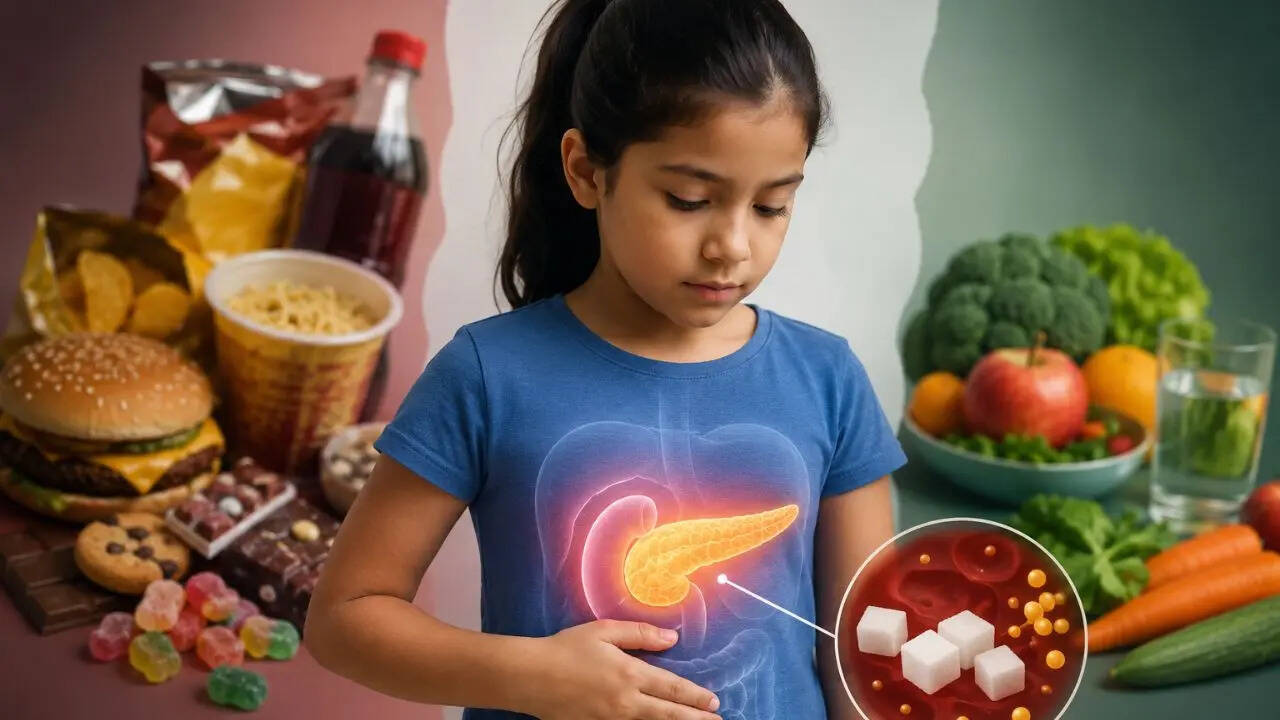
Children who consume higher amounts of ultra-processed foods may already be showing subtle changes in the way their bodies regulate insulin, potentially increasing the risk for type 2 diabetes in the future.According to a new study published in the journal Nutrients, children who have higher amounts of in ultra-processed foods (UPFs) had reduced insulin sensitivity and higher insulin secretion, even though they did not have diabetes. The findings note that the metabolic changes linked to diabetes may begin much earlier in life than previously thought.How Was The Study Conducted? Also read: France Becomes First EU Nation To Ban Social Media For Under-15s; Could This Help Children's Mental Health?The study analyzed data from 508 non-diabetic Mexican American children aged 6 to 17 years participating in the San Antonio Family Assessment of Metabolic Risk Indicators in Youth (SAFARI) study. Researchers examined the participants' diets using food frequency questionnaires and estimated the proportion of calories coming from ultra-processed foods, like sugary beverages, packaged snacks, processed meats, instant meals, and breakfast cereals. On average, more than 53% of the children's daily calorie intake came from ultra-processed foods. Using fasting blood samples and oral glucose tolerance tests, the team evaluated 19 measures of insulin function, including insulin sensitivity, insulin resistance, and pancreatic beta-cell activity. They found that children with higher ultra-processed food intake had lower insulin sensitivity, meaning their bodies responded less effectively to insulin. At the same time, their pancreases appeared to compensate by producing more insulin to maintain normal blood sugar levels. "The association between ultra-processed food intake and decreased insulin sensitivity, along with increased insulin secretion, suggests that these dietary patterns may contribute to early metabolic dysfunction before overt diabetes develops," the researchers wrote in the study. The researchers adjusted their analyses for several factors that could influence metabolism, including age, sex, physical activity, puberty, body fat, blood pressure, cholesterol levels, and family relationships. The associations remained almost the same even after these adjustments.Poor Insulin Response From A Young Age Also read: Rain = No Playground; How Reduced Outdoor Activity During Monsoon Affects Children's Immunity, Weight & Mental HealthAlthough blood glucose levels remained largely normal among participants, the findings indicate that the pancreas may already be working harder to compensate for declining insulin sensitivity. "These findings underscore the importance of limiting ultra-processed food consumption during childhood to help preserve healthy insulin function and potentially reduce future cardiometabolic disease risk," the authors noted. The researchers said several mechanisms could explain the link. Ultra-processed foods are often rich in refined carbohydrates, added sugars, unhealthy fats, and food additives while being low in fiber. These characteristics may promote inflammation, alter the gut microbiome, and impair the body's ability to regulate insulin over time.Not Definite Cause And Effect Also read: 13.5 Million Children Remain Zero-Dose In 2025 Despite Global Vaccination Gains: UN ReportHowever, the authors cautioned that the study does not prove cause and effect. Because it was a cross-sectional study, it can only identify associations. They also noted that dietary intake was self-reported, and the findings may not be generalizable beyond the Mexican American children included in the study. The researchers said more studies following children over time are needed to determine whether reducing ultra-processed food intake can help prevent insulin resistance and lower the risk of developing type 2 diabetes in their future.Added Risk Of Hypertension In Children Due to poor diet, hypertension or high blood pressure has become an increasingly common problem among children and adolescents Doctors think obesity, poor diet, excessive salt intake, poor sleep, low exercise, and watching too much screen time are all factors that are driving up hypertension rates in kids and teens. Other kidney disease, heart disease, hormone imbalances, or family history can also contribute in some children.Regular blood pressure checks on children's routine visits are very significant because many children with hypertension may be asymptomatic, experts say. Prompt diagnosis and treatment can prevent complications with the heart, kidneys, brain and eyes in the long term.