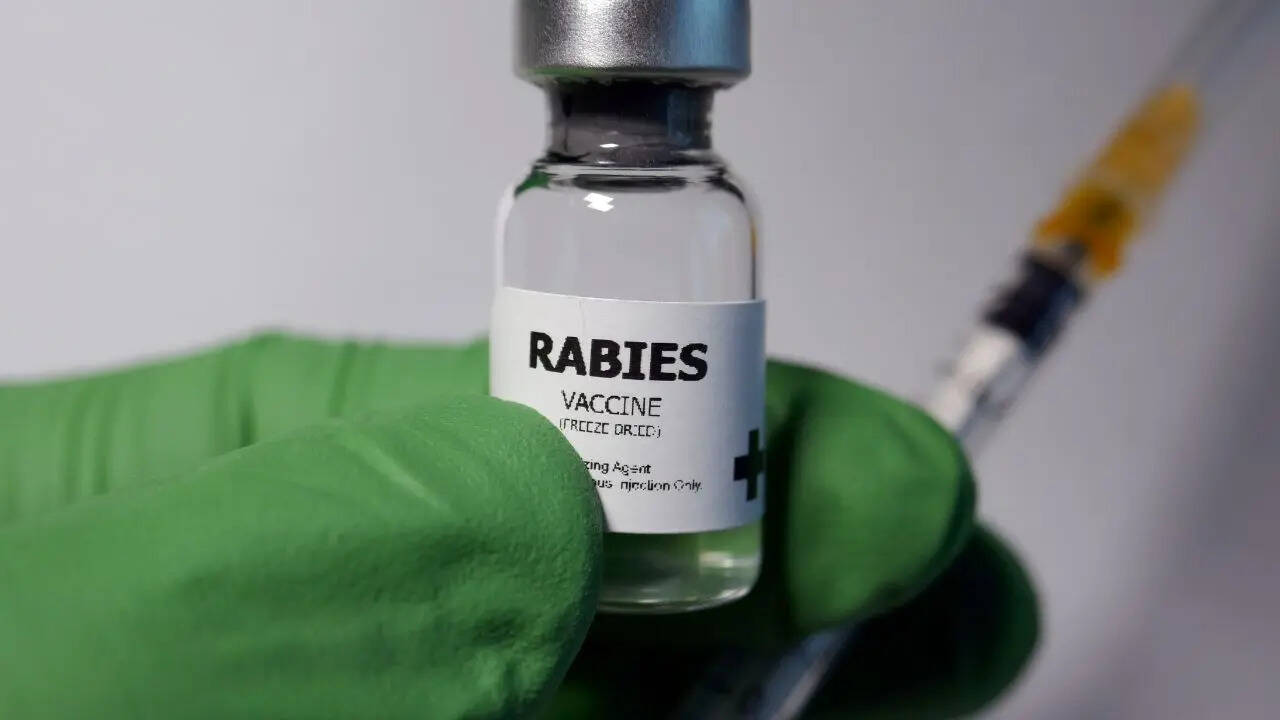
The Delhi government is set to notify human rabies as a notifiable disease in the National Capital Territory under the Epidemic Diseases Act, Health Minister Pankaj Kumar announced on Sunday. The step is aimed at improving disease monitoring, ensuring faster reporting of cases, and allowing authorities to act quickly to curb the spread of rabies.According to the minister, once the notification comes into force, all government and private healthcare facilities, including medical colleges and individual doctors, will be legally required to report suspected, probable, and confirmed human rabies cases to the relevant health departments. Kumar stressed that rabies is “nearly 100 per cent fatal once symptoms begin,” but added that it can be fully prevented if medical care is sought on time. “Timely reporting is critical. It can save lives and help stop further transmission,” he said.What Is Rabies?Rabies is a life-threatening viral disease that can be prevented through vaccination. It affects the central nervous system and leads to severe inflammation of the brain, known as encephalitis. The infection spreads mainly through the bite or scratch of an infected animal, as the virus is present in saliva. According to the World Health Organization, rabies is almost always fatal after symptoms develop. Early signs may resemble flu, but the disease can progress to agitation, paralysis, and hydrophobia, or fear of water.What Is A Notifiable Disease?A notifiable disease is one that must be reported to public health authorities by law when a case is diagnosed or even suspected. This reporting system allows health officials to track diseases in real time, respond quickly, and plan interventions based on reliable data. In India, this approach has already been used for illnesses such as tuberculosis and COVID-19 to identify trends and manage resources more effectively.Rabies To Be Declared A Notifiable DiseaseWith human rabies set to be classified as a notifiable disease in Delhi under the Epidemic Diseases Act, all healthcare institutions will be required to inform authorities immediately when a case is identified. This move is expected to strengthen the Integrated Disease Surveillance Programme (IDSP), the country’s main disease monitoring system, enabling officials to detect cases early and take prompt action to prevent wider spread.What Are The Symptoms Of Rabies?According to the Mayo Clinic, early symptoms of rabies can closely resemble those of the flu and may persist for several days.Later symptoms can include:FeverHeadacheNauseaVomitingAgitationAnxietyConfusionHyperactivityDifficulty swallowingExcessive salivationFear triggered by attempts to drink fluids due to difficulty swallowing waterFear triggered by air blown on the faceHallucinationsInsomniaPartial paralysisWhy Does Rabies Surveillance Matter?Rabies continues to pose a serious public health challenge in India and across the world.Once clinical symptoms appear, rabies is almost always fatal, making early detection and reporting crucial.The WHO estimates that rabies causes around 59,000 human deaths every year worldwide, with dog bites responsible for nearly 99 per cent of infections.India alone accounts for an estimated 18,000 to 20,000 rabies deaths annually, with a significant number of cases seen in children under the age of 15.Although rabies is completely preventable through timely post-exposure prophylaxis, which includes proper wound cleaning, vaccination, and the use of rabies immunoglobulin, poor reporting and limited access to care have remained major obstacles.Declaring human rabies a notifiable disease in Delhi signals an important change in public health policy, one that has the potential to greatly improve how cases are identified, managed, and ultimately prevented.