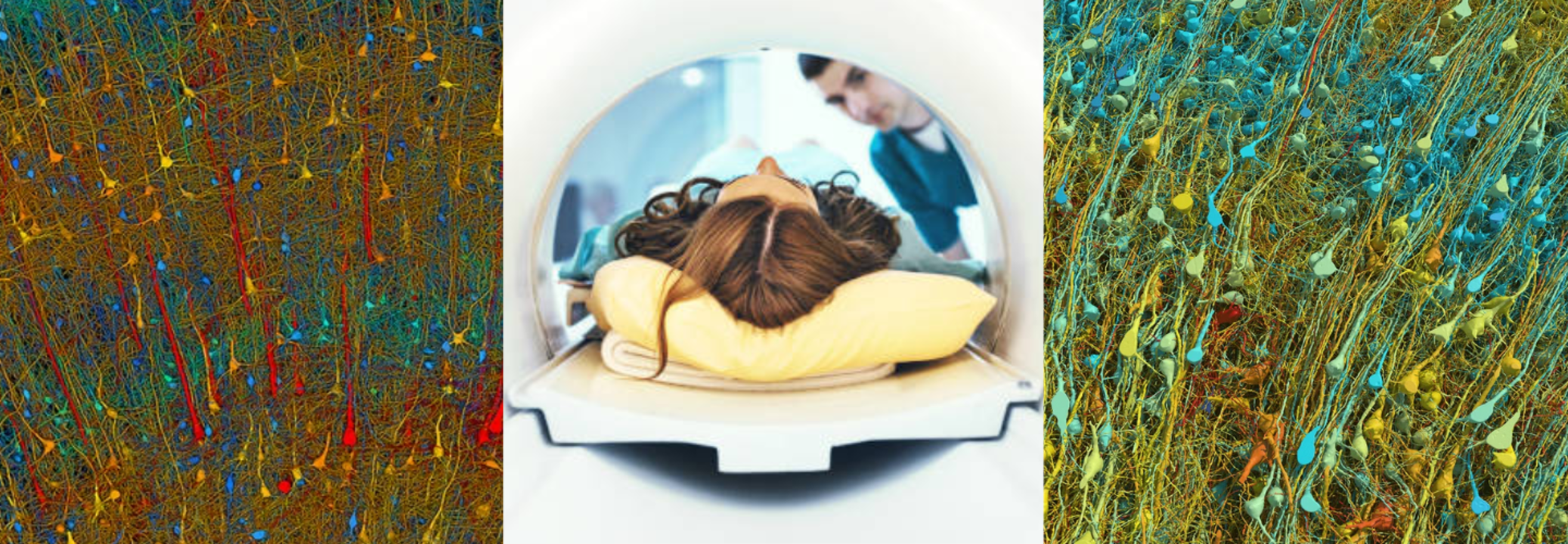
The human brain remains one of the most enigmatic and complex organs in the body. Despite decades of research, understanding the intricate wiring and functionality of the brain has been an elusive goal. However, recent advancements in brain mapping technology are shedding light on this hidden world. A decade-long project led by Dr. Jeff Lichtman and his team at Harvard University, in collaboration with Google, has produced the most detailed map of human brain tissue ever created. This breakthrough promises to revolutionize our understanding of neural networks and has significant implications for neuroscience and medical research.Ten years ago, Dr. Jeff Lichtman received a minute sample of brain tissue from a patient undergoing epilepsy surgery. This tiny fragment, measuring less than a grain of rice, contained 57,000 cells, 230 millimeters of blood vessels, and 150 million synapses. Despite its small size, the sheer volume of data generated from this sample was overwhelming. Lichtman and his team amassed 1,400 terabytes of data, equivalent to the content of over 1 billion books, illustrating the scale and complexity of their work.To process and analyze this immense amount of data, Lichtman’s team collaborated with Google, leveraging the tech giant's advanced computing power. The initial step involved slicing the brain tissue into ultra-thin sections using a diamond blade. These sections were then embedded in resin and cut into slices just 30 nanometers thick—about 1,000th of a human hair’s width. Stained with heavy metals for visibility, these slices were imaged with electron microscopes, resulting in several thousand high-resolution images.The challenge of managing and interpreting these images required innovative solutions. Google’s AI-based tools and machine learning algorithms were instrumental in processing the 300 million images. By identifying and mapping the types of cells and their connections, the team created an interactive 3D model of the brain tissue, available online as “Neuroglancer.”Implications of this Brain MapThe detailed brain map reveals previously unknown aspects of neural connectivity. One surprising discovery was that pairs of neurons often had more than 50 connections, a finding likened to having multiple phone lines between two houses. This insight raises questions about the functional significance of these connections and prompts further investigation.Understanding the brain at this unprecedented level of detail could have profound implications for medical science. By comparing healthy brains with those affected by disorders, researchers hope to gain insights into conditions such as psychiatric diseases and developmental disorders. The brain map may also uncover previously unrecognized features, as the dataset's sheer scale means that new findings could emerge with ongoing analysis.The success of this project paves the way for more ambitious brain mapping endeavors. The next goal is to map the brain of a mouse, requiring between 500 and 1,000 times the data used for the human brain sample. This would amount to 1 exabyte of data, a monumental challenge in terms of both storage and processing power. A complete map of the human brain, estimated to require 1 zettabyte of data, remains a distant but tantalizing prospect.The collaborative effort between Harvard and Google has set a new benchmark in brain research, offering an invaluable resource for scientists worldwide. The detailed brain map not only enhances our understanding of neural architecture but also opens doors to exploring new frontiers in neuroscience. As research continues, staying informed and cautious about the ethical implications of such groundbreaking work will be crucial. The future of brain mapping holds exciting potential, and ongoing vigilance and innovation will be key to unraveling the complexities of the human mind.