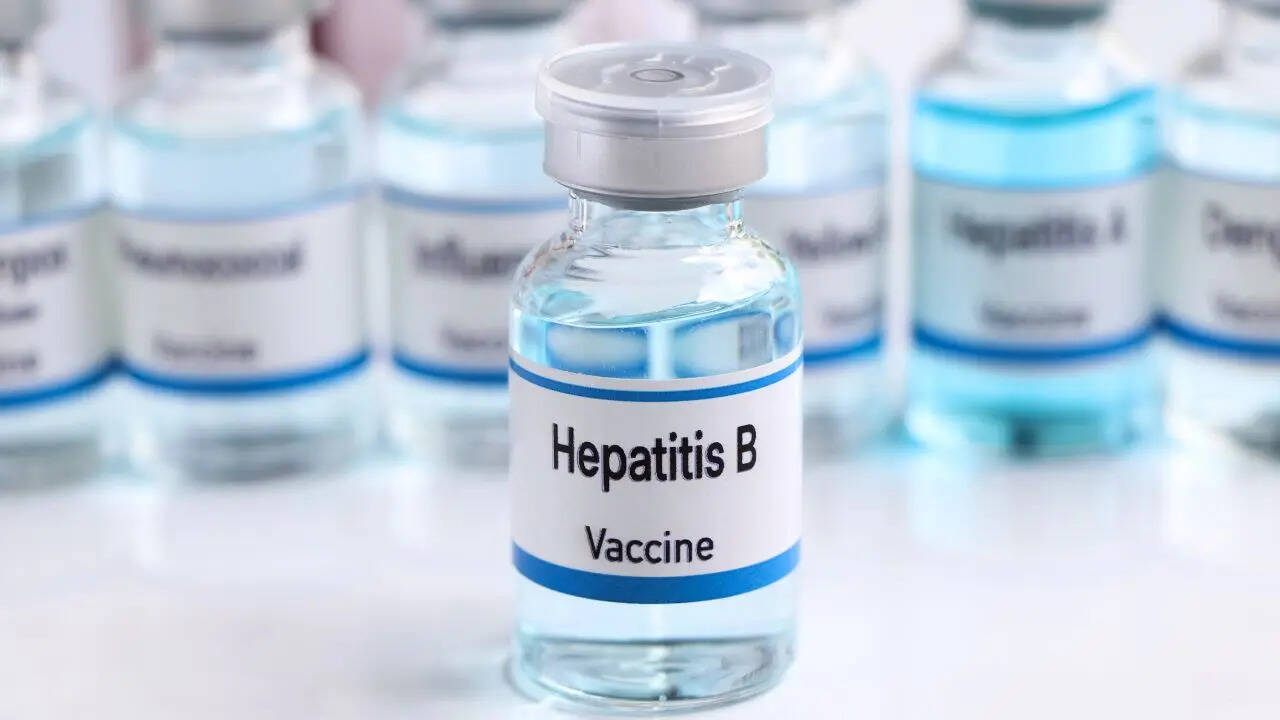
The Centers for Disease Control and Prevention’s vaccine advisory committee will meet on Thursday and Friday to review the childhood vaccination schedule, look at adjuvants and possible contaminants, and revisit hepatitis B immunisation guidance.This will be the third gathering this year of the Advisory Committee on Immunization Practices (ACIP) after Health and Human Services Secretary Robert F. Kennedy Jr. dismissed all 17 former members and brought in his own choices, many of whom have openly questioned long-standing vaccine policies.It is also the first meeting since ACIP chair Martin Kulldorff, a former Harvard Medical School professor, accepted a permanent job at HHS. Pediatric cardiologist and former U.S. Air Force flight surgeon Dr. Kirk Milhoan will lead the committee during this session.Hepatitis B: CDC Vaccine Advisory Committee MeetingThe latest battle in the US’ growing political, cultural, and scientific debate over vaccines will unfold inside a CDC meeting room in Atlanta later this week.There, a key CDC advisory group — now entirely appointed by Kennedy who will vote on proposals that could significantly change long-accepted guidance meant to shield newborns from hepatitis B, a virus known to cause liver cancer.The two-day ACIP meeting comes shortly after Kennedy instructed the CDC to alter language on its website, downplaying the agency’s long-standing statement that vaccines do not cause autism, even though extensive research has repeatedly found no connection.Here is what public health experts say they will be watching during this week’s meeting, which will be livestreamed on Thursday and Friday.Hepatitis B: Votes May Delay Or Limit Babies’ Protection Against Hepatitis BAccording to the meeting agenda, Thursday’s discussions and votes will centre on major changes to hepatitis B guidance. Overnight, the committee released draft wording for two recommendations.As per CNN, the first proposal would shift the current universal recommendation for newborn hepatitis B vaccination to an “individual-based decision” made by parents and a healthcare provider for babies born to mothers who test negative for the virus or whose status is unknown.The language also gives parents and clinicians the freedom to “decide when or if their child will begin the HBV series.”The second vote concerns draft wording that encourages parents to talk with clinicians about blood tests to check immunity levels before later hepatitis B doses. The draft states that insurance should cover these tests.Currently, all newborns are advised to receive the vaccine shortly after birth to protect against infection from an undetected maternal case and from close contacts who may unknowingly carry the virus.Committee members have previously urged better hepatitis B screening during pregnancy, while others have questioned whether only high-risk infants should get the vaccine.Hepatitis B: How Contagious Is It?Hepatitis B is highly contagious. It spreads through contact with infected blood and bodily fluids, often from people with no symptoms. While it can be passed during birth, through sex, or shared needles, it can also spread through shared items found in many homes: nail clippers, toothbrushes, and even certain pieces of jewellery.Childhood And Adolescent Immunisation ScheduleIt is not yet clear what parts of the schedule will be reviewed. The early agenda listed this topic for Friday without details. The final agenda shows that attorney Aaron Siri, a close adviser to Kennedy, will speak on this.Critics, including Kennedy, have raised questions about the number of vaccines children receive and the timing between doses.Discussion of “Adjuvants And Contaminants” In VaccinesAccording to ABC News, the draft agenda included a Friday session on adjuvants and contaminants. The final programme describes the talk as examining aluminium exposure from vaccines before 24 months and rates of persistent asthma between ages 24 and 59 months.Aluminum salts are used in several vaccines — including diphtheria, tetanus, acellular pertussis, hepatitis A, and hepatitis B—to strengthen the immune response, according to CNN.The ACIP meeting also follows last week’s internal FDA memo claiming that Covid-19 vaccines may be connected to the deaths of ten children. Lakshmanan, O’Leary, and others say the committee could raise the issue during the discussions.