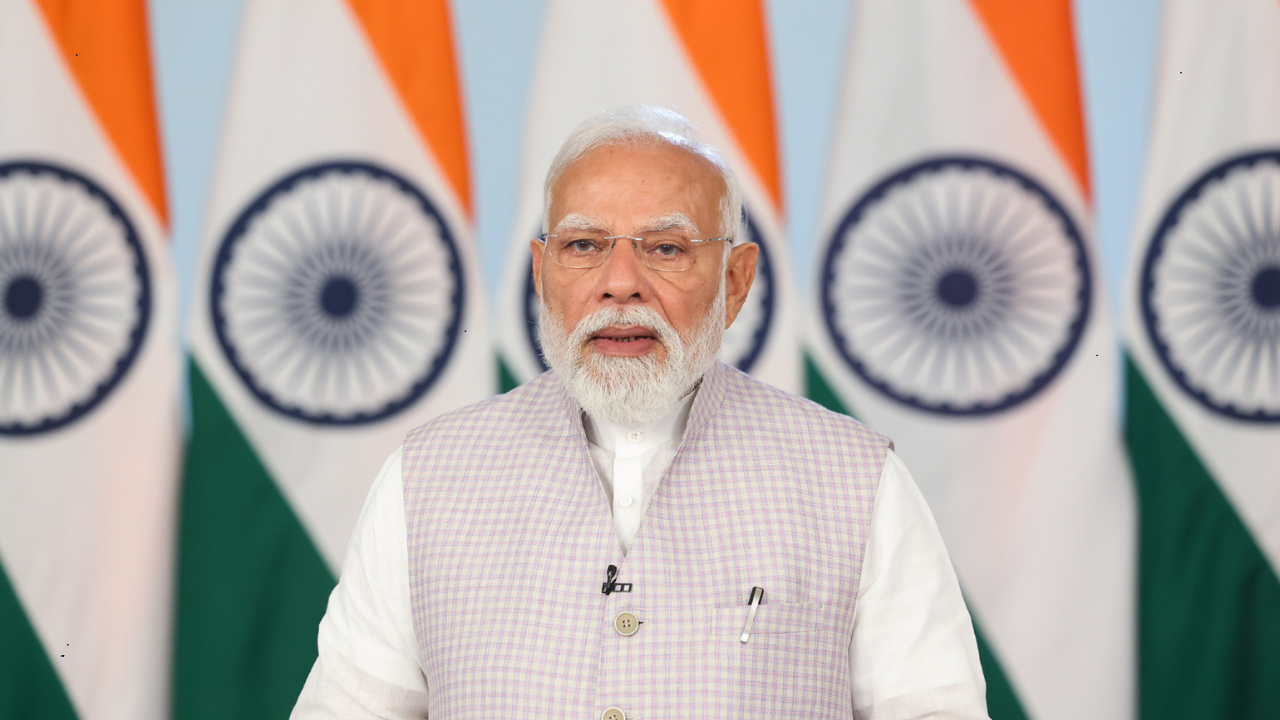
India is currently working on a vision of preventive and holistic health, said Prime Minister Narendra Modi today, while addressing a series of post-budget webinars. The Prime Minister highlighted that sectors like health, education, skill, tourism, sports, and culture are the primary vehicles for meeting the goal of “Sabka Saath Sabka Vikas-Fulfilling Aspirations of People”.Also Read: GLP-1 Weight Loss Drugs Could Now Treat Addiction, Says Study “India is today working on a grand vision for preventive and holistic health. In the past few years, the country's health infrastructure has been strengthened. Hundreds of new medical colleges have opened in districts,” PM Modi said. “Through the Ayushman Bharat scheme, access to health services has been extended to every village via wellness centers,” he added. Emphasizing the vision of preventive and holistic health, the Prime Minister noted the rapid strengthening of health infrastructure and the global popularity of Yoga and Ayurveda. Demand For Care Economy And TelemedicinePM Modi specifically drew attention to the emerging 'Care Economy' and the rising demand for caregivers globally, urging experts to develop new training models to empower the youth. "The population of senior citizens will increase in the country in the coming decade. In many countries of the world, there is a high demand for caregivers,” he said."Hence, skill-based employment opportunities for lakhs of youth in the health sector are present. I request that new training models be developed," PM Modi added. The Prime Minister also spoke about the success of telemedicine in reaching remote areas. However, he stressed the need for further simplifying the user experience and building greater public awareness. "I believe there is still a need to increase awareness and ease of use in telemedicine," PM Modi said.Experts Push For Emergency Healthcare Services in India In a separate session, health experts, policymakers, public health experts, and clinicians deliberated on the Budget Announcement under Para 88: “Strengthening of Emergency & Trauma Care Centers”. In the Union Budget 2026–27, the Government had announced a major initiative to strengthen emergency healthcare services across the country. The Government also proposed to strengthen and increase emergency and trauma care capacities by 50 per cent in District Hospitals by establishing emergency and trauma care centers.The experts highlighted the country's significant burden of emergency medical conditions, including road traffic injuries, heart attacks, strokes, poisonings, burns, snake bites, etc.While these require timely intervention within the “golden hour” to prevent deaths and long-term disability, emergency beds constitute only a small share of total hospital bed capacity in many district hospitals, highlighting the need for strengthening emergency care infrastructure and systems, the experts noted. The discussion also highlighted the role of implementation research and data-driven approaches in identifying gaps and improving emergency care systems at the district level. “Strengthening emergency and trauma care at the district level requires a systematic and outcome-oriented approach that goes beyond infrastructure to focus on performance and service delivery,” said Dr. V.K. Paul, member, NITI Aayog, who moderated the session. Dr. Paul stressed the need for greater convergence across hospital systems, ambulance networks, and government programs, supported by digital technologies and real-time monitoring. He also called for continued skilling and upskilling of emergency care personnel to build a strong and responsive emergency care system.