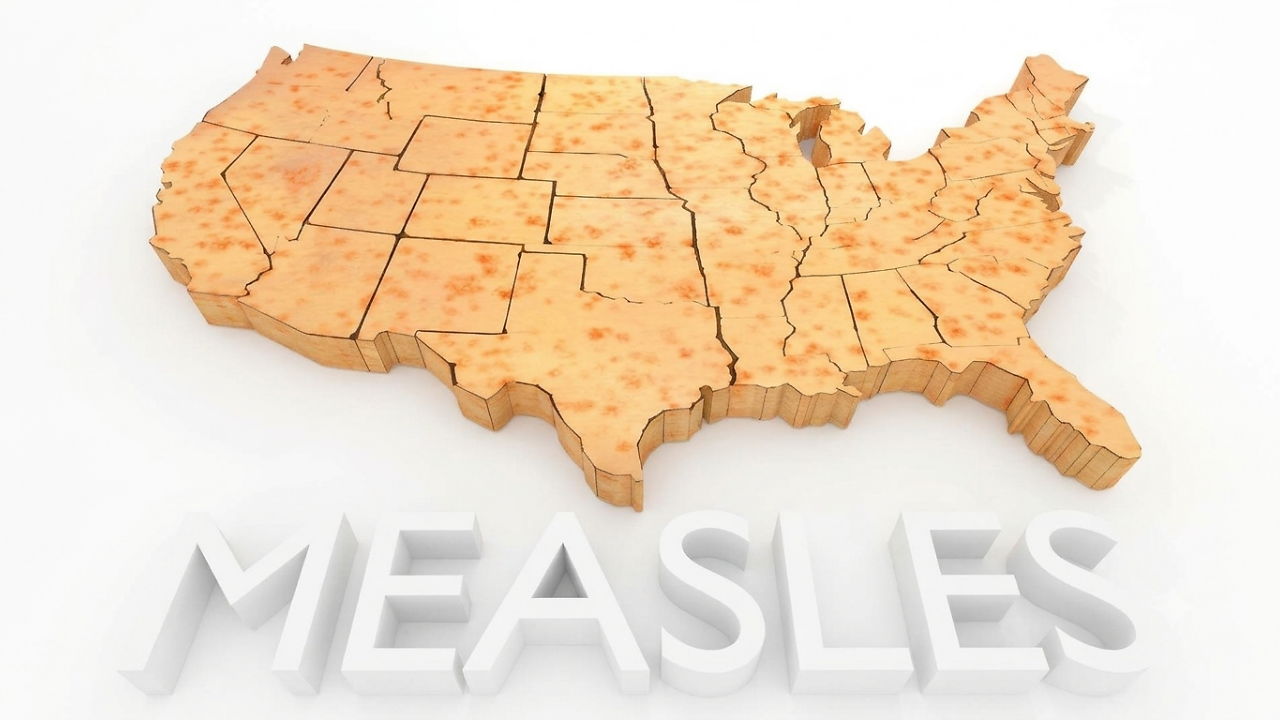
Wisconsin has reported its third measles-associated death this year, involving an adult from Lafayette County. The US is facing its worst measles outbreak in more than three decades, with 5,838 confirmed cases reported as of November 19.The CDC reported that adults aged 20 and older accounted for 42% of US cases, highlighting that measles is not just a childhood infection. The national death toll also remains disputed: the CDC reported nine deaths on November 25, while state-reported figures indicate at least 14.Wisconsin Reports Third Measles DeathThe Wisconsin Department of Health Services (DHS) confirmed that the latest victim was an adult from Lafayette County, marking the first adult death in the state's ongoing outbreak.Wisconsin has recorded 918 cases across 24 counties since August, with 19 hospitalizations. The earlier deaths involved an infant and a child from Grant County - a first since 1990.Measles Can Cause Serious ComplicationsMeasles is a highly infectious disease that can cause pneumonia, brain inflammation and death. According to the CDC, one to three out of every 1,000 children with measles die from respiratory and neurological complications.Three serious complications include:Acute disseminated encephalomyelitis (ADEM): An inflammatory condition in which the immune system attacks the brain and spinal cord. Symptoms include weakness, confusion, vision problems and seizures. An 18-year-old in Pennsylvania recently died from ADEM following measles infection.Immune amnesia: Measles can destroy immune cells that store memories of previously encountered infections, weakening protection built through past infections and vaccinations. A 2019 study published in Science found that measles could erase up to 73% of a person's antibody repertoire.Subacute sclerosing panencephalitis (SSPE): A rare, progressive and ultimately fatal neurological disease that can emerge seven to 10 years after measles infection. Early symptoms include personality changes, mood swings and headaches, followed by seizures, cognitive decline and coma.Infants face a particularly high risk of SSPE. A 2016 review of California health records estimated that the disease occurred in approximately one out of every 609 children who contracted measles before 12 months of age.Why Adults Are Also At RiskWhile children are worst at risk, adults accounted for 42% of US measles cases in 2026, according to CDC data updated November 20. The figure includes 2,432 cases among people aged 20 and older. While majority are unvaccinated, some vaccinated adults are also facing increased risk due to waning immunity.The US introduced a two-dose measles vaccination schedule in 1989. Two doses provide approximately 97% protection, compared with 93% for one dose.People vaccinated decades ago may need to review their vaccination history, particularly those who received an inactivated measles vaccine between 1963 and 1967. People born before 1957 are generally considered to have presumptive immunity because measles circulated widely before routine vaccination.The MMR vaccine contains a weakened live virus and is not recommended during pregnancy or for people with moderate to severe immunosuppression.Who May Need A Measles Booster?People with uncertain vaccination records, those who received the older inactivated vaccine, and individuals at increased risk of exposure may need medical advice about their immunity.An Immunoglobulin G (IgG) antibody blood test can help establish whether someone has measles antibodies. Vaccination recommendations depend on individual immunity, medical history and exposure risk.“Just getting another dose is a very easy and safe thing to do,” said Dr. Cameron Wolfe, who helps investigate outbreaks for Duke University, told the New York Times.What If You Were Exposed To Measles?Measles is highly contagious and can spread even after limited exposure. A measles vaccine given within 72 hours of exposure may prevent or modify the disease. Intravenous immunoglobulin (IVIG) given within six days can also provide protection.Anyone who believes they have been exposed should contact a healthcare provider promptly, particularly if pregnant, immunocompromised or unsure of their vaccination status.