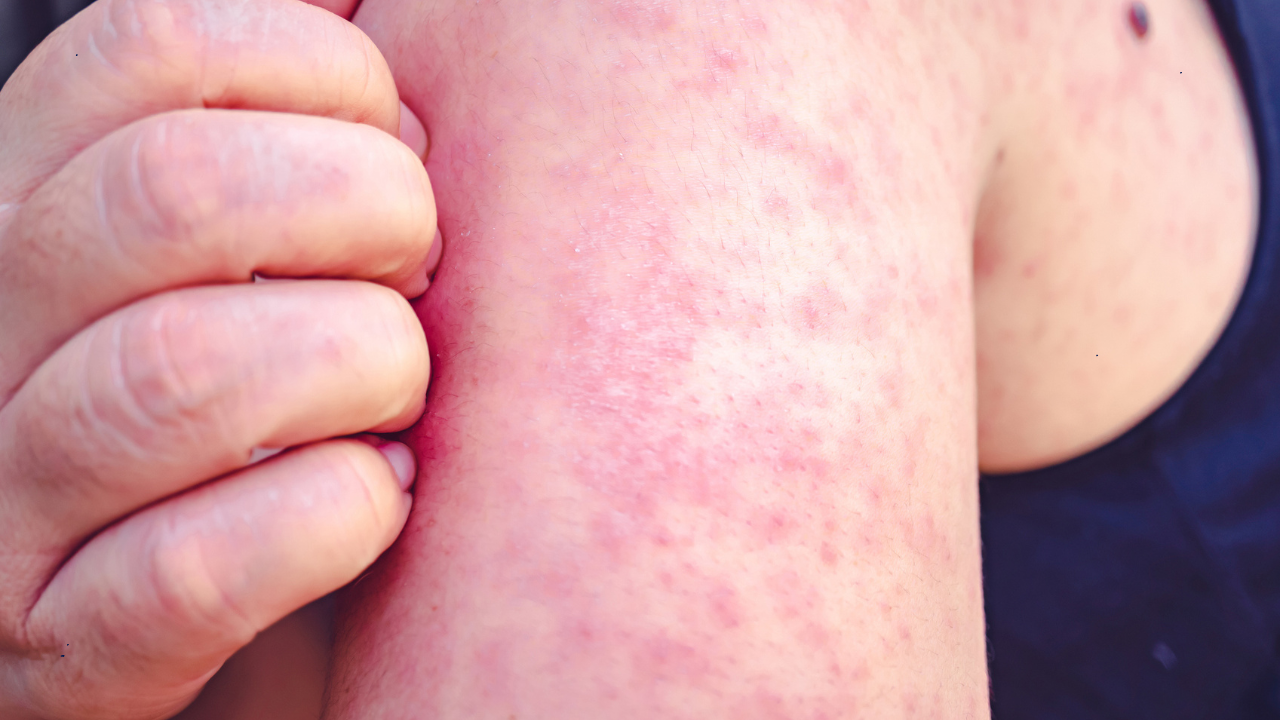
The number of measles cases in Sweden linked to the Urkult Festival has climbed to 21, according to the latest data from the country’s Public Health Agency.So far, all known cases have been directly linked to the festival, which took place from July 30 to August 2 in Näsåker, in Sollefteå municipality. The majority of those infected are children under 18 years of age, the report said.Acting State Epidemiologist Erik Sturegård called the rapidly growing number of cases “very unusual” in Sweden, Sweden Herald reported. “It is a disease that can cause very serious illness, even in otherwise healthy children,” Sturegård said.Why Sweden May Not Be At Risk Of A Major OutbreakAlso read: US Kindergarten Vaccination Rates Decline, Exemptions Rise as Measles Cases Hit 35-Year HighSweden’s childhood vaccination program includes the measles vaccine and has 95 percent coverage.Sturegård said the high vaccination rate means Sweden may not currently be at risk of a major outbreak in the wider population.However, unvaccinated people, as well as those with underlying conditions that may prevent the vaccine from providing adequate protection, remain at risk of serious illness.Sturegård noted that most of those infected had not been vaccinated against measles.“Even though we have 95 percent vaccination coverage in the childhood vaccination program, we have small pockets of people who, for various reasons, have not been reached by the vaccination, or who have chosen not to vaccinate themselves. Then you get a local minor outbreak very easily when measles is so extremely contagious,” Sturegård said.Regions Reporting Measles CasesThe cases have been reported from the following regions:Jämtland HärjedalenSkåneStockholmVästerbottenGotlandVärmlandVästernorrlandSweden Steps Up Contact TracingRead More: US Measles Cases Soars; RFK Jr Takes U-Turn, Urges Families to Vaccinate KidsMeasles is highly contagious, making contact tracing time-critical. The Public Health Agency, which has overall responsibility for infectious disease control in Sweden, is in daily contact with the affected regions.“We have daily meetings with the relevant infection control departments to keep a full overview of what is happening and be able to provide the support needed,” Sturegård said.Measles SymptomsMeasles is an extremely contagious viral illness that spreads through respiratory droplets when an infected person coughs or sneezes. It can also spread through contact with contaminated surfaces.The illness typically causes high fever, cough, runny nose, red and watery eyes and a characteristic rash that usually begins on the face and spreads downward across the body.Other symptoms can include sneezing and small white spots inside the mouth. Measles can cause serious and sometimes fatal complications, including pneumonia and encephalitis, or inflammation of the brain.Measles Cases Reported Across EuropeREAD: Why Are 1.7 Million People Still Vulnerable To Measles Despite Australia’s Elimination Status?According to the European Centre for Disease Prevention and Control’s latest July 2026 report, nine European countries reported 188 measles cases in June. The highest number of cases was reported by:Bulgaria: 102Italy: 41Belgium: 14Spain: 13In the 12 months through June 30, 2026, 30 EU/EEA Member States reported a total of 2,472 measles cases.Of these, 717 cases (29.0%) were among children under five years of age, while 1,261 (51.0%) were among people aged 15 years and older.The highest notification rates were recorded among infants under one year of age, at 62.9 cases per million, followed by children aged 1–4 years, at 30.8 cases per million.Among cases with known age and vaccination status, 1,602 (74.0%) were unvaccinated, 323 (14.9%) had received one dose of a measles-containing vaccine, and 198 (9.1%) had received two or more doses. Another 41 cases (1.9%) had an unknown number of vaccine doses.