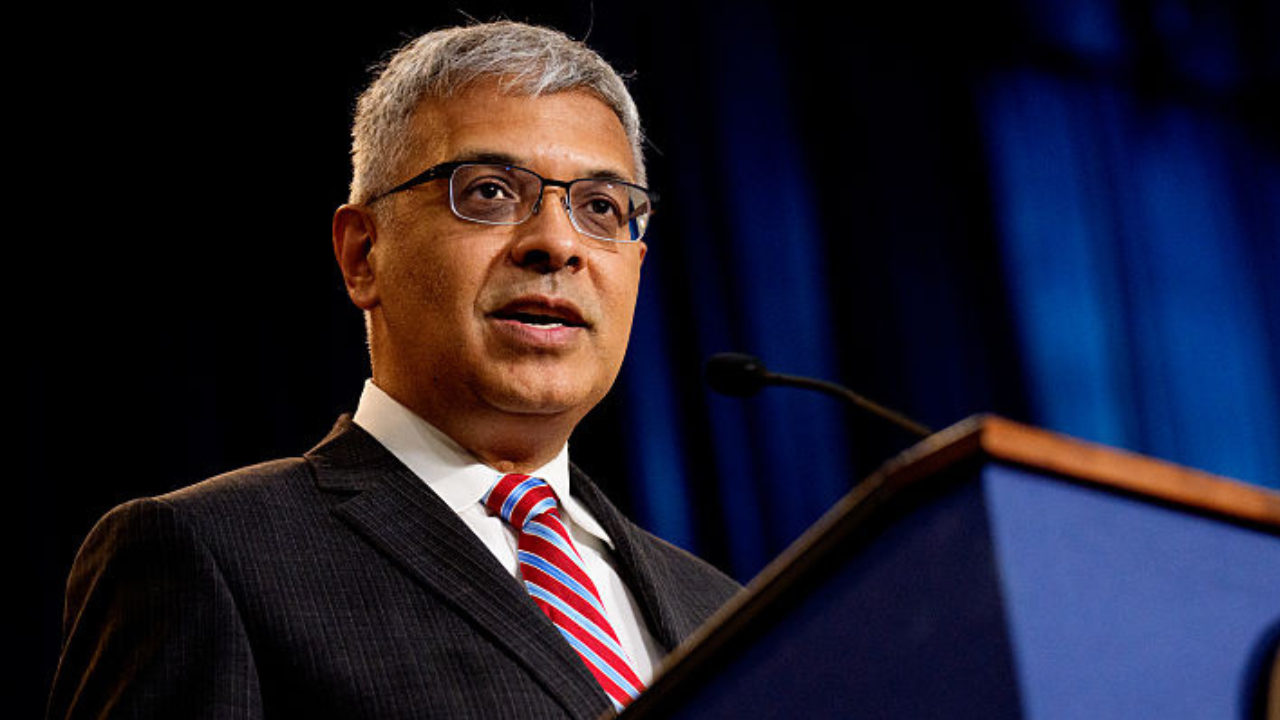
National Institutes of Health (NIH) Director Dr. Jay Bhattacharya has urged parents to vaccinate their children against measles, saying, “I trust the science,” as the United States faces its worst measles surge in decades.Speaking to CBS News’ Face the Nation on August 9, Bhattacharya said vaccination remains the best way to protect children from the highly contagious disease.“If you want to protect your kids from these sort of preventable diseases, yes, you should vaccinate your kids,” Bhattacharya said. He added that he has been “very, very clear” about recommending measles vaccination.His comments come as the US has recorded 2,465 confirmed measles cases in 2026 as of August 6, according to the Centers for Disease Control and Prevention (CDC). The figure has already surpassed the total reported in 2025 and represents the highest annual case count in the country in about 35 years. Could US Could Lose Its Measles Elimination Status?Also read: CDC Recommends All International Travelers To Get Measles VaccineMeasles was declared eliminated from the US in 2000. However, elimination does not mean the virus disappeared permanently. Imported infections can still trigger outbreaks when they infiltrate communities with insufficient vaccine protection.Bhattacharya pointed to declining public trust in health institutions as one factor behind the resurgence.“There’s been a lot of outbreaks, not just the United States, but around the world,” he said. “A lot of that has to do with sort of a collapse in public trust in a lot of science.”The CDC says only 10 US states had measles vaccination coverage above the approximately 95% level needed to maintain community protection during the previous school year. The growing outbreak has raised another concern, which is whether the US could lose its measles elimination status.Experts have warned that continued transmission could jeopardize the status the country has maintained since 2000. A recent analysis described losing elimination status in 2026 as highly likely unless vaccination coverage improves and ongoing transmission is interrupted. For parents, the message from the NIH chief is straightforward: the measles vaccine remains the scientific evidence-backed way to protect children. “I trust the science,” Bhattacharya said.Jay Bhattacharya Pushes Back Against Vaccine FearAlso read: Dr. Erica Schwartz Confirmed As CDC’s First Permanent Director In Nearly A YearBhattacharya also addressed concerns about children returning to school while measles is circulating.“It is even more important that these kids go to school,” he said, warning against creating fear around unvaccinated children.“That’s a tremendous mistake,” Bhattacharya said, arguing that parents should vaccinate their children rather than fear school attendance.His comments are notable amid renewed debate over childhood vaccines under Health Secretary Robert F. Kennedy Jr., who has a long history of vaccine skepticism but recently also urged parents to vaccinate children against measles. How Effective Is The MMR Vaccine? The measles, mumps and rubella (MMR) vaccine remains one of the strongest tools against measles. Two doses are about 97% effective at preventing measles, while one dose provides about 93% protection. That protection becomes particularly important in schools and communities because measles spreads extremely easily. When vaccination rates fall below the level needed for herd immunity, the virus can move rapidly through pockets of susceptible people.