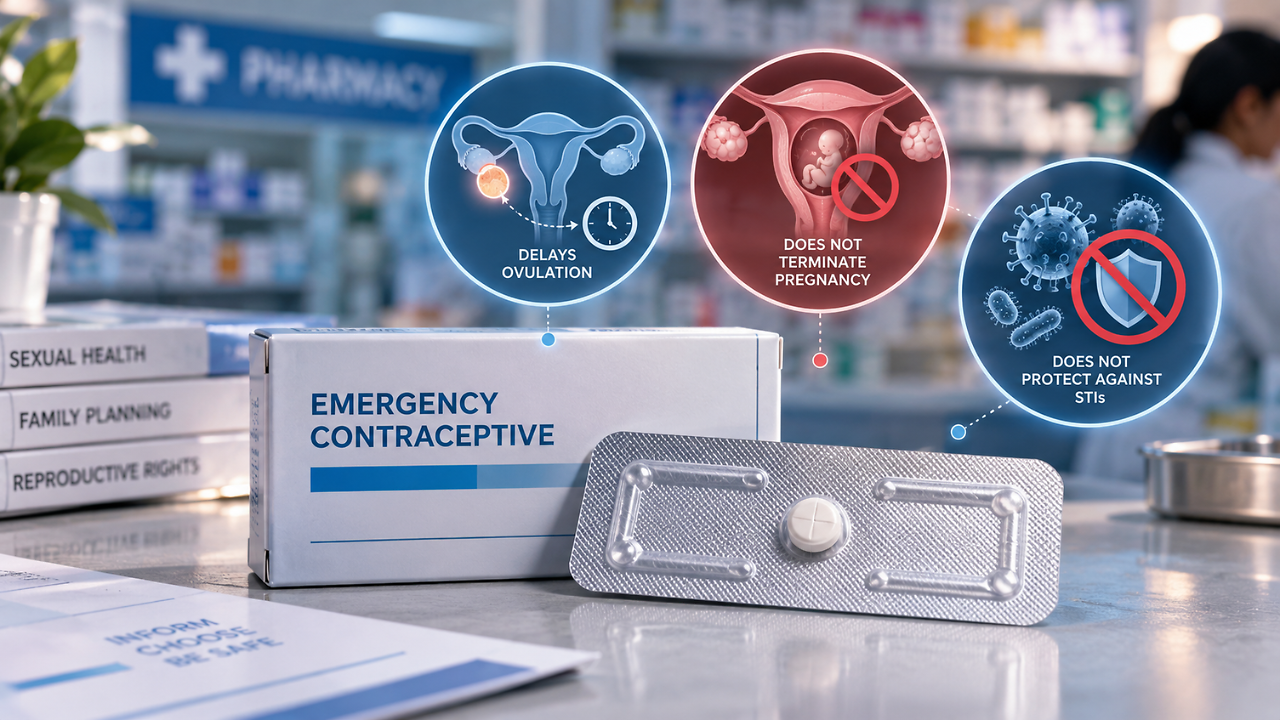
Commonly known as the ‘morning-after pill’, emergency contraceptive pills will soon be sold with prominent warnings on packs. The Union Health Ministry has proposed bringing levonorgestrel 0.75 mg and 1.5 mg emergency contraceptive tablets under Schedule K of the Drugs Rules, 1945, with mandatory warnings on their packaging and package inserts. The draft notification was issued on September 3 and is currently open to public objections and suggestions. The proposed warnings are intended to make it clear that the pills are meant only for emergency contraception and that they are not a regular contraceptive method. They will also indicate that they are not abortion pills and do not protect against HIV or other sexually transmitted infections. They would also warn that frequent use can lead to side effects and advise women seeking regular contraception to consult a healthcare professional. What Do Emergency Pills Actually Do? Levonorgestrel is a synthetic version of the hormone progesterone. When taken as emergency contraception, it primarily works by delaying or preventing ovulation, meaning it can prevent an egg from being released when sperm are present. It is intended to be taken after unprotected sex or contraceptive failure, such as a broken condom. The World Health Organization recommends levonorgestrel emergency contraception as a single 1.5 mg dose, or 0.75 mg in two doses 12 hours apart. It works best when taken as soon as possible and can be used within 120 hours of unprotected intercourse. Crucially, it does not terminate an established pregnancy. That is why it should not be confused with medication used for medical abortion.Also read: Exclusive With Leading HIV Expert: What's Driving Rising HIV Cases Among India's Youth And How To Prevent ItEmergency Pills Cannot Protect Against STIs One of the proposed warnings is meant to addresses a common misconception about emergency contraceptive pills prevents pregnancy, not sexually transmitted infections. It is important to under stand that levonorgestrel does not protect against HIV, syphilis, gonorrhoea, chlamydia or other STIs. Sexually transmitted infections can be prevented by barrier methods like condoms, when used correctly. The proposed Indian warning specifically states that emergency contraceptive pills “do not offer any protection against HIV or any sexually transmitted infections.”Also read: 5 Reasons To Get Regular STI Testing If You’re 'Sexually Active'Reason Behind The Move The move follows recommendations from the Drugs Technical Advisory Board (DTAB) after an expert review of contraceptive use in India. Minutes of the 67th Drugs Consultative Committee meeting recorded recommendations for the package warnings stating that levonorgestrel emergency contraceptives should not be used more than twice a month, that they do not protect against HIV or STIs, and that alternative contraception should be considered with a registered medical practitioner. The latest draft notification also states that frequent use “may lead to side effects” and encourages women to seek medical advice. However, this does not mean emergency contraception is considered inherently unsafe. The WHO says side effects like nausea, vomiting, fatigue and temporary menstrual changes are generally mild and can be resolved without treatment. It also states that emergency contraceptive pills do not cause any harm to fertility. The concern is instead about using an emergency method as a substitute for regular contraception. Repeated use can lead to menstrual irregularities and side effects. The proposal would place levonorgestrel 0.75 mg and 1.5 mg tablets under Schedule K, while retaining their availability without a prescription. The draft is therefore not supposed to make morning-after pills prescription-only.