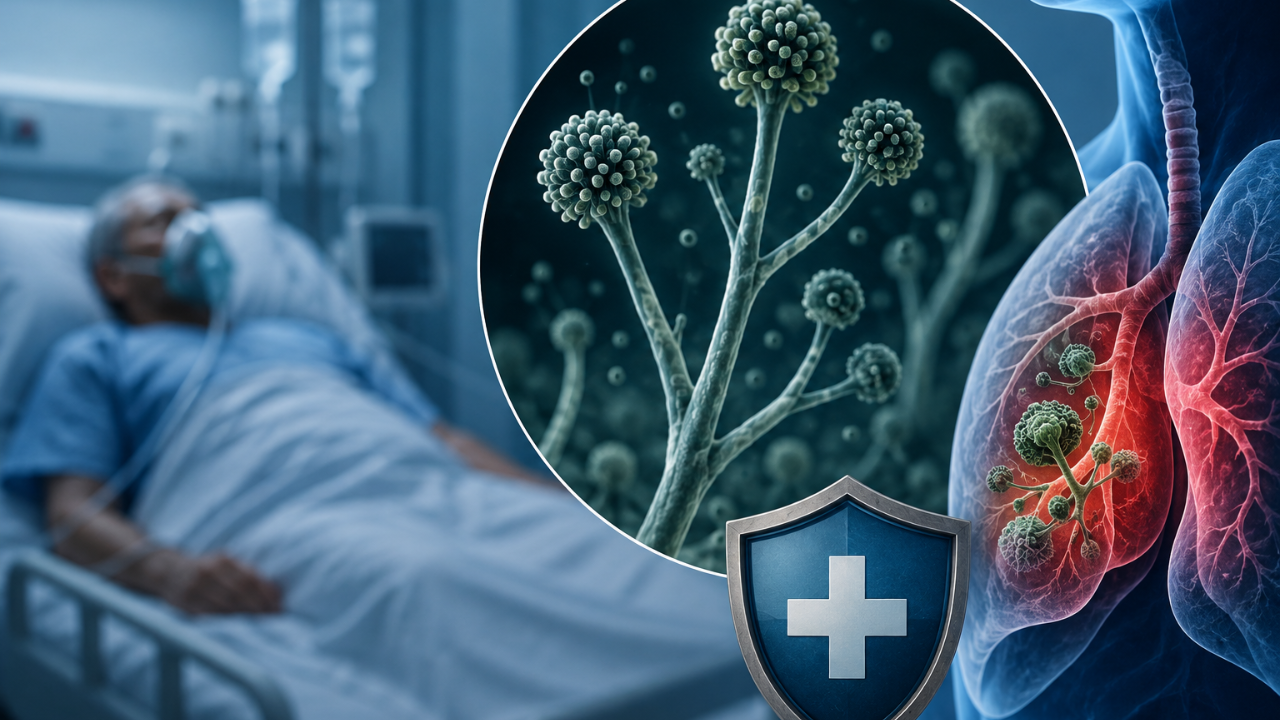
A new study by the US Centers for Disease Control and Prevention (CDC) has found that nearly one in three patients who were hospitalised were diagnosed with invasive mould disease (IMD) died during their hospital stay.The findings highlighted the urgent need for better surveillance, hygiene, early diagnosis, and greater awareness among healthcare professionals. The findings come from the surveillance study of invasive mould infections conducted by the CDC across four hospitals in Atlanta and Georgia, between 2020 and 2024. What Did The Study Find? Researchers identified 499 confirmed cases of invasive mould disease during the five-year study period. Around 33% of these patients died while hospitalised, while the overall 90-day mortality rate reached 45%. Nearly half of the patients needed intensive care, and about 50% needed ventilation, highlighting just how severe these infections can turn. Patients who had a recent or current COVID-19 infection were found to be even worse. Their 90-day mortality rate was 66%, compared with 41% among patients without COVID-19. "Our findings demonstrate that invasive mold disease is associated with substantial illness and death," the CDC researchers wrote, adding that active surveillance can help improve understanding of how common these infections are and guide prevention efforts. Also read: DR Congo Ebola Outbreak Becomes World’s Second Largest As Death Toll Surpasses 1,500What Is Invasive Mould Disease? Unlike the mould that grows on damp walls or spoiled food, invasive mould disease occurs when fungal spores enter the body through the lungs, wounds, or contaminated medical equipment and spread into deep tissues, blood vessels, or organs. The infections are most commonly caused by fungi such as Aspergillus, Mucorales, Fusarium, and Scedosporium. Once inside the body, they can rapidly become life-threatening if not diagnosed and treated early. Also read: Vibrio Vulnificus: US Records First Flesh-eating Bacteria Death Of 2026Who Is Most At Risk? The disease rarely affects healthy individuals. Instead, it primarily targets people whose immune systems are already weakened, including: Cancer patients undergoing chemotherapyOrgan transplant recipientsPeople taking long-term steroids or immunosuppressive drugsPatients in intensive care unitsIndividuals recovering from severe COVID-19Older adults with multiple illnesses Also read: Donald Trump Urges RFK Jr. To Accelerate Childhood Vaccine RollbackWhy Experts Are Concerned One of the biggest challenges is that invasive mould disease is not a nationally reportable disease in the United States, meaning health authorities do not routinely collect nationwide data on cases. Researchers believe the actual burden may therefore be underestimated. The CDC authors noted that active surveillance is essential to estimate disease incidence, identify outbreaks, and improve patient outcomes. They also highlighted that patients with COVID-19 experienced significantly more severe disease, suggesting clinicians should remain vigilant for fungal complications in critically ill patients. Outside experts have also warned that factors such as climate change, extreme weather events, an ageing population, and rising antifungal drug resistance could contribute to an increase in serious fungal infections in the coming years. Although invasive mould infections remain relatively uncommon, the study shows they carry an alarmingly high risk of severe illness and death among vulnerable patients. Researchers say increasing awareness, recognising symptoms early, improving hospital surveillance, and developing faster diagnostic tools could help identify infections sooner and improve survival.