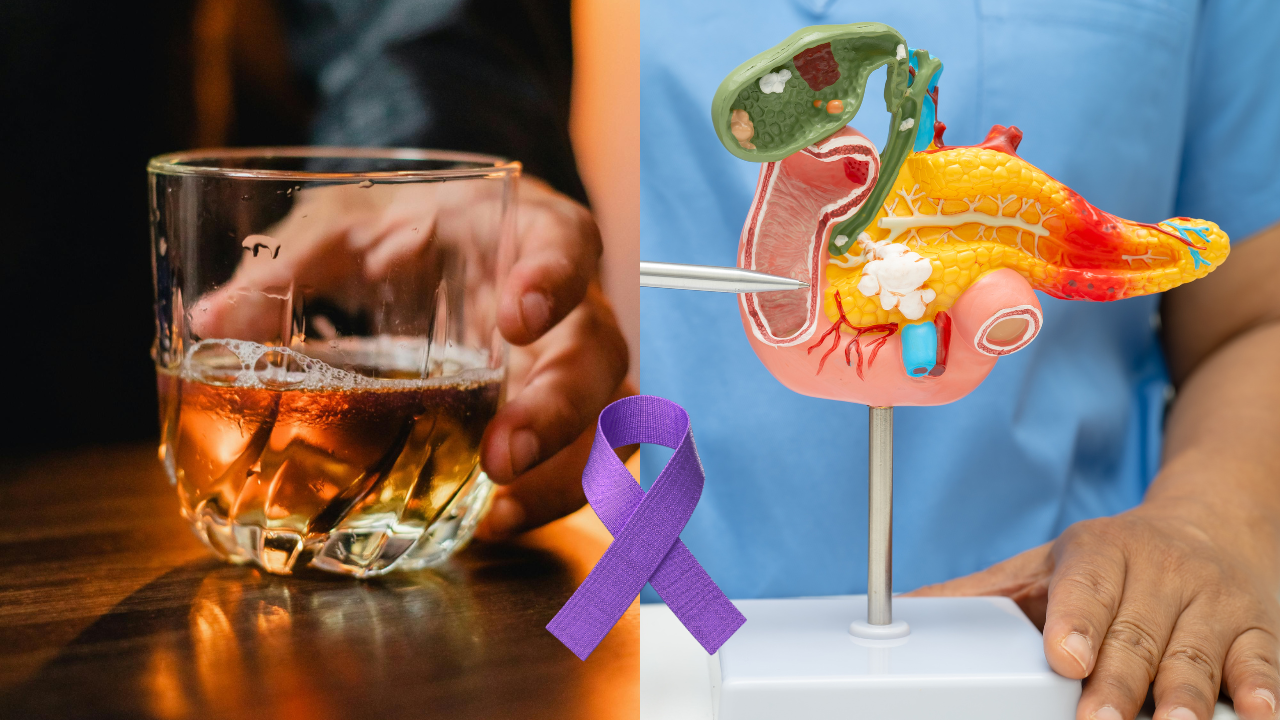
A new study from scientists in Miami has raised a big red flag saying that heavy alcohol consumption does not just damage your liver; it could also be quietly harming your pancreas and paving the way to one of the most lethal cancers in the world. While nobody talks much about this organ, it keeps your show running. Sitting behind the stomach, the pancreas organ produces the digestive enzymes that help you break down food, as well as the hormones that regulate your blood sugar. The fresh study, published in Cellular and Molecular Gastroenterology and Hepatology, sheds new light on how alcohol-induced inflammation accelerates the development of the deadly disease. The Miami researchers discovered that alcohol, in high quantities, can damage the very pancreatic cells that make those enzymes. This injury sparks inflammation that can smoulder away until it creates precancerous lesions. Left unchecked, these can evolve into pancreatic cancer, a disease with a grim reputation.A gene that could save the dayNot everyone who enjoys a tipple is destined for cancer. For the disease to develop, researchers found that a mutation in a gene called Ras, which controls cell growth, must also be present. But when alcohol was paired with a pro-inflammatory molecule in experiments, the effects mimicked alcohol-induced pancreatitis, complete with inflammation, lesions, and cancer.The breakthrough? By disabling a gene called CREB, the scientists stopped both precancerous and cancerous lesions from forming. In other words, CREB seems to hold the keys to either the safe or self-destruct modes for your pancreas.Why this matters more nowPancreatic cancer kills over 9,000 people in the UK and more than 52,000 in the US every year. The five-year survival rate? About 10 to 12 per cent, among the lowest of any cancer. To make matters worse, cases are rising among younger people, though deaths have not yet spiked.What makes this cancer so deadly is its silence. Symptoms rarely appear until it has already spread, and by then, treatment options are limited.The stealthy symptoms you should not ignoreBelly pain that radiates to your backUnexplained weight loss and loss of appetiteJaundice (yellowing of the skin and eyes)Pale or floating stools, dark urine, and itchingNew or worsening diabetesFatigue or weaknessBy the time these appear, the disease is often in an advanced stage, which is why prevention is key.Defining ‘heavy drinking’The study defined heavy alcohol use as eight or more drinks per week for women and 15 or more for men. Over months and years, that adds up to a consistent assault on your pancreas.Complications that make life harderPancreatic cancer isn’t just fatal; it can also cause a series of painful, exhausting complications:Weight loss as the body struggles to absorb nutrientsBlocked bile ducts leading to jaundiceAbdominal pain from tumors pressing on nervesBowel obstructionsPainful swelling in the limbs due to blood clotsReportedly, managing these often requires procedures like stent placements or even nerve-block injections, adding more physical and emotional strain to an already heavy burden.How to reduce the risk Cut back on alcohol: You do not need to go teetotal overnight, but trimming down your weekly intake could protect your pancreas.Quit smoking: Tobacco and alcohol together are really bad.Maintain a healthy weight: Extra body fat increases inflammation and strains your pancreas.Eat for your pancreas: Load your plate with vegetables, fruit, and whole grains, and keep processed foods to a minimum.Stay active: Exercise helps manage weight and lowers inflammation.