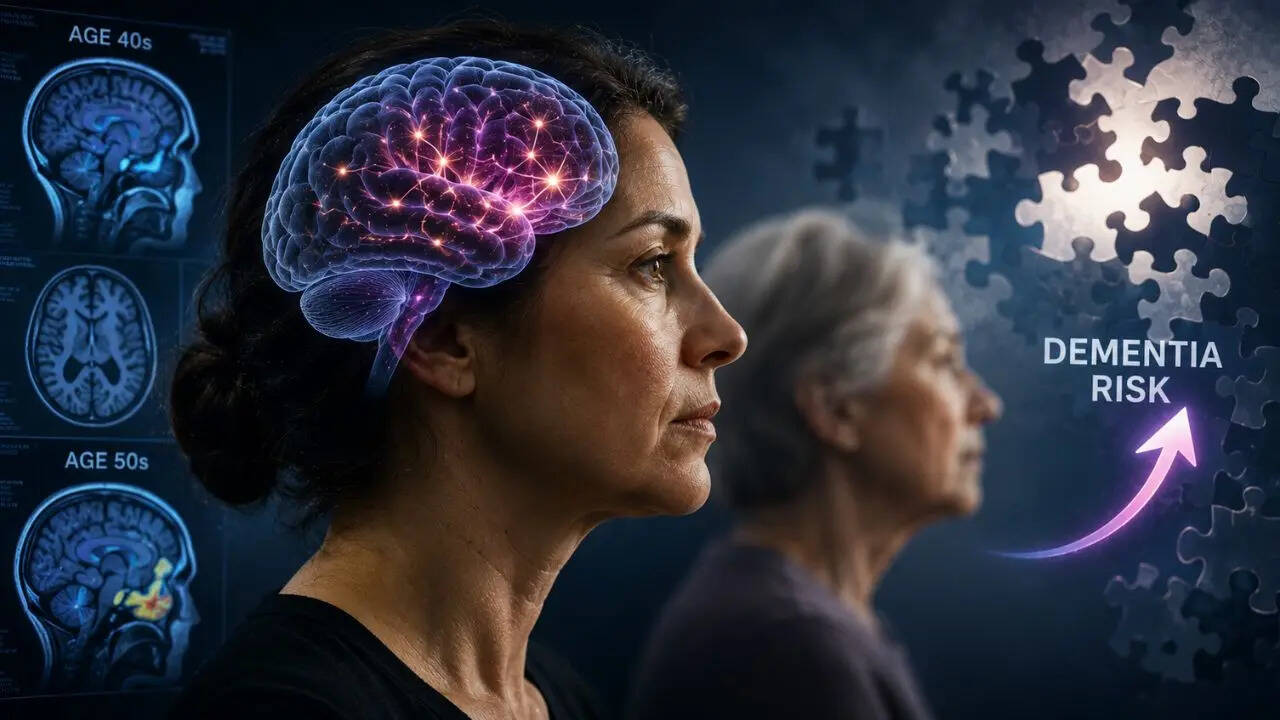
The human brain may begin undergoing important immune changes much earlier than previously thought. A recent study found that these changes could help explain why the risk of dementia increases with age. Researchers found that the hippocampus, the brain region responsible for learning and memory, experiences a major shift in its immune cells during the 40s and 50s. The findings suggest that this change could lead to chronic inflammation associated with Alzheimer's disease and other forms of dementia in the future . What Did The Study Find? The study, conducted by scientists from the University of California San Diego, the New York Genome Center, and the University of California Irvine, analysed postmortem hippocampal tissue from 40 neurologically healthy adults aged between 20 and 95 years. Researchers examined more than 1.2 million brain cells, discovering that around midlife, the brain's immune environment changes dramatically. One of the biggest findings involved microglia, the brain's resident immune cells. While these cells normally protect the brain by clearing debris, fighting infections, and supporting neurons, researchers observed that they gradually shift into a more inflammatory state during middle age. This altered immune environment resembles patterns commonly seen in neurodegenerative diseases like dementia.Also read: World Brain Day: Climate Change Is Not Just Harming The Planet, It Could Also Be Affecting Your Brain Link Between Ageing & Dementia Scientists have long known that aging is the strongest risk factor for dementia. However, exactly how normal aging causes diseases like Alzheimer's has remained vague. The new findings suggest that the process may begin decades before symptoms like memory loss appear. Instead of viewing aging as a slow, continuous process, the study indicates that the brain may pass through a distinct biological transition during midlife. Once this immune environment changes, it may make the brain more vulnerable to inflammation and cognitive decline. Richard J. Hodes, MD, Director of the National Institute on Aging (NIA), said, "Aging is the single largest risk factor for dementia, but our understanding of how it drives disease is still incomplete. This previously hidden microglial shift, now uncovered by innovations in technology and thinking, may be an important clue to help us complete the puzzle." The researchers also believe these immune changes may not simply be a consequence of aging but could actively influence how the brain ages.Also read: Can One Partner's Dementia Raise the Other's Risk? New Study Suggests An Interesting Link Could This Contribute In Dementia Treatments & Management? Although the findings do not mean that everyone in their 40s or 50s will develop dementia, they provide researchers with a potential window for clinical intervention. If scientists can identify or modify these immune changes before significant brain damage occurs, future therapies may be able to delay or even prevent neurodegenerative diseases. Experts continue to recommend: Keeping blood pressure, blood sugar, and cholesterol under control.Exercising regularly.Getting adequate sleep.Eating a balanced, brain-healthy diet.Staying mentally and socially active.Managing hearing loss and avoiding smoking.These lifestyle measures are already known to reduce several risk factors associated with dementia, and the new findings suggest they may be particularly important during the brain's midlife transition.