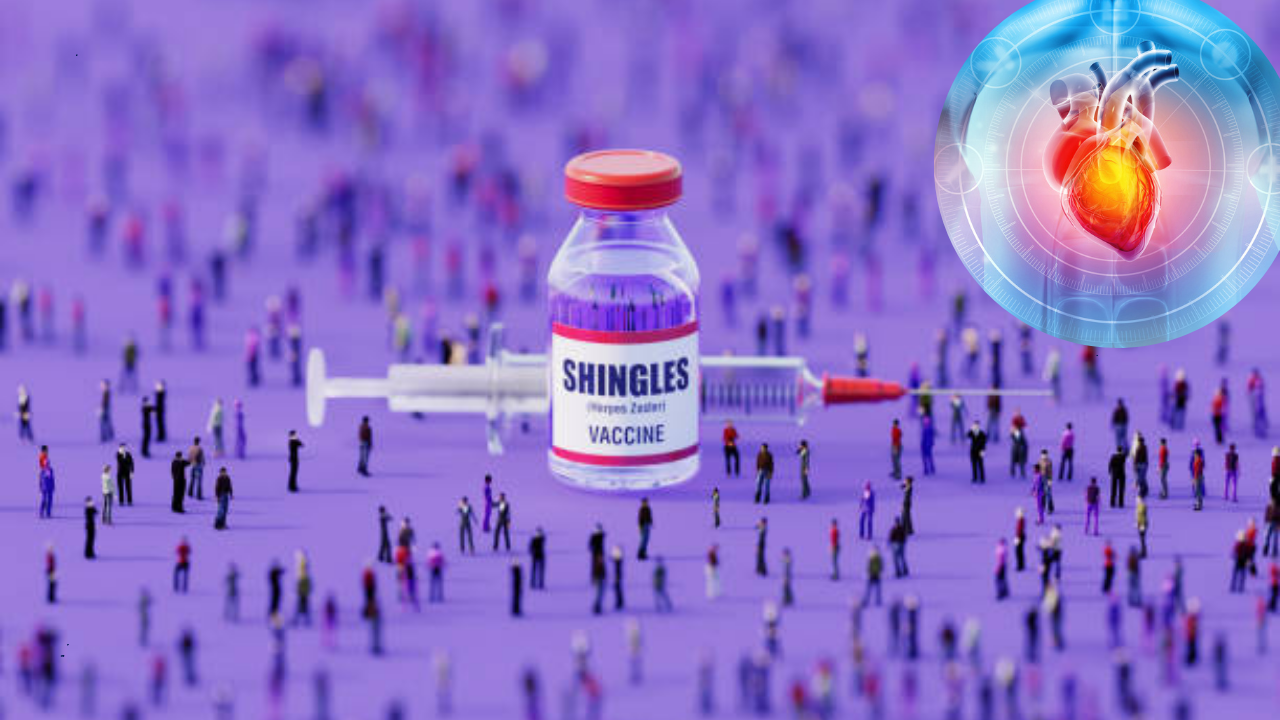
Heart disease is the leading cause of death globally and in the United States, claiming roughly 17.9 to 19.8 million lives each year. Cardiovascular diseases such as heart attacks and stroke account for roughly one in every three deaths worldwide.To date, there is no single vaccine that cures or prevents heart disease itself. However, researchers from the University of Oxford found that the currently available shingles vaccine, Shingrix, may significantly lower the risk of heart attack and stroke.Published in the journal Nature Medicine, the observational research, based on health records of 70,000 people in the US, showed that people who received the recombinant shingles vaccine were less likely than unvaccinated people to have heart attacks, strokes or heart failure.“Given the global burden of cardiovascular disease, these findings, if confirmed in clinical trials and mechanistic studies, would have important implications for public health,” the researchers said in the paper. Also read: Unapproved Weight-Loss Drug Caused Hospitalisations In Ireland: What Is Retatrutide & Why Is It Risky?What Did The Study Find?The Oxford researchers tracked the health records of 70,000 adults aged 60 and over for seven years after vaccination, which involved an initial dose and a booster.Shingrix was associated with a 12% reduction in cardiovascular events — including heart attacks, heart failure and stroke — in the first three and a half years after vaccination.By the end of the follow-up, the vaccine was associated with a 4% lower risk of cardiovascular disease.While this represents a small change in absolute risk, the overall impact could be significant.“If confirmed in a randomized controlled trial, the effect of Shingrix would be equivalent to antihypertensives,” co-author Maxime Taquet, associate professor of psychiatry at the University of Oxford, said at a media briefing.What Is Shingrix?Read More: Tivicay: US FDA Approves Drug to Treat HIV In NewbornsShingrix is the recombinant herpes zoster (shingles) vaccine. Shingles is a painful, often serious flare-up of the chickenpox virus from childhood. It can cause a rash and nerve pain that may persist for months or years after the rash clears, a complication known as post-herpetic neuralgia.In 2006, Zostavax became the first vaccine available against shingles and was based on a weakened version of the chickenpox virus. It was succeeded by Shingrix in 2017, a more effective recombinant vaccine that uses newer vaccine technology.How Could Shingrix Reduce CVD Risk?Research is ongoing and more definitive evidence is awaited. According to experts, Shingrix may help reduce cardiovascular risk because shingles may increase the risk of heart and vascular diseases.Separately, the vaccine could be having broader effects on the immune system that suppress inflammatory proteins.“This study remains observational, even though it’s a natural experiment, and so we are keen to see results from randomized controlled trials. And one of them is underway,” Taquet said, The Guardian was quoted as saying.More Research Is Needed“If confirmed, Shingrix could prevent hundreds of thousands of cardiovascular events in the USA alone, and may be the first vaccine that protects the heart and the brain,” Taquet said.While shingles vaccines are currently offered mainly to middle-aged or older people, others could possibly benefit, too. Taquet said more people should be vaccinated against shingles, STAT News reported.“If these findings and the findings we provided for dementia help sort of nudge that, then that’s great. And if they are then confirmed in randomized controlled trials, the benefit might be enormous, for the people and for the economy and the health services,” he said.“If this helps people get the vaccine, then that’s great. But they should get it for the shingles protection in the first instance.”