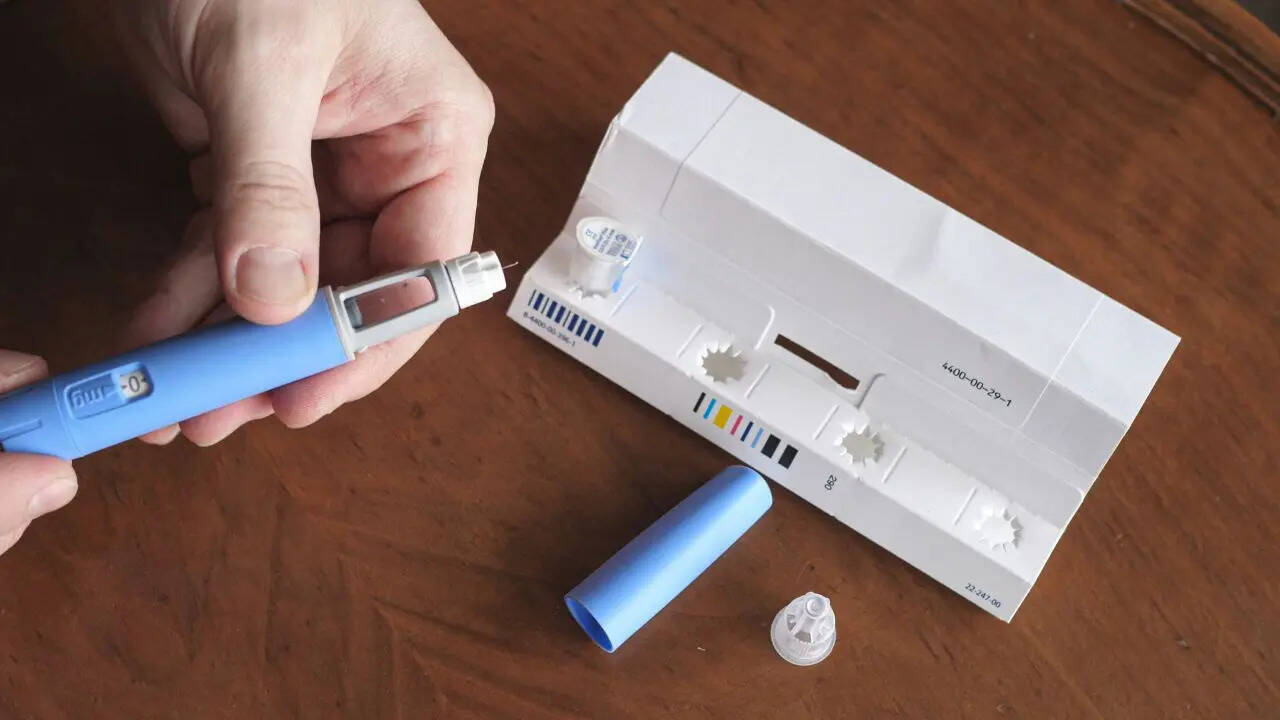
The Medicines and Healthcare products Regulatory Agency (MHRA) has issued a fresh alert for people taking Ozempic, Wegovy, Rybelsus, or Mounjaro. The agency posted a message on social media urging anyone who has experienced a severe reaction to GLP-1 medicines to report it. According to the UK government’s health site, GLP-1 receptor agonists (glucagon-like peptide-1) are drugs designed to mimic a natural hormone that helps control appetite after eating. While these medicines are widely used for managing diabetes and aiding weight loss, they may also carry certain health risks.Also Read: What Really Happens In Your Brain During Deep Sleep?MHRA Issues Warning for Ozempic, Wegovy, Rybelsus, and Mounjaro UsersThe MHRA’s advisory highlights the importance of reporting side effects, particularly acute pancreatitis, to help researchers understand these reactions and improve drug safety in the future. Their statement read: “Has someone you care for had a severe reaction to a GLP-1 medicine? Help identify people at risk. Has someone you care for had acute pancreatitis while taking a GLP-1 medicine (Ozempic, Wegovy, Rybelsus, Mounjaro)? You can report it to Yellow Card on their behalf and agree to be contacted. They may be invited to join the Yellow Card Biobank (MHRA and Genomics England) to help researchers study how genetics may influence side effects—leading to safer prescribing in the future.”Also Read: Can TikTok’s ‘Potato Bed’ Hack Really Help You Sleep Better? Experts Are Not So SureThe findings from this initiative are expected to help doctors tailor prescriptions to individuals’ genetic profiles, reducing the chances of harmful side effects.What Are GLP-1 Medicines?GLP-1 medicines, which is short for glucagon-like peptide-1 receptor agonists mimic a hormone naturally released in the gut after eating. This hormone signals the pancreas to release insulin, which helps move sugar from the blood into the cells for energy.These drugs also act on the brain to reduce hunger and slow down how quickly the stomach empties, keeping you full for longer. As a result, they can support weight loss and help regulate blood sugar levels, making them a common treatment for type 2 diabetes.In recent years, the FDA has also approved some GLP-1 drugs for weight loss in people who are overweight or obese, even if they don’t have diabetes. However, for weight management, these medicines are usually prescribed at higher doses than those used to treat diabetes, according to Harvard Health.Can Taking Ozempic, Wegovy, or Mounjaro Lead to Acute Pancreatitis?There have been reports of pancreatitis, which is inflammation of the pancreas, among some people using GLP-1 drugs. However, current evidence does not show a direct cause-and-effect relationship between these medications and pancreatitis.In clinical trials, a few participants developed pancreatitis while taking Mounjaro, but such cases were rare. This makes it difficult to determine whether the medication itself was responsible. Similar cases were also seen among people taking other diabetes drugs, suggesting that the link may not be specific to GLP-1 medicines.Also Read: Is The ‘Frankenstein’ COVID Variant The Most Vaccine-Resistant Strain Yet?It’s also important to note that pancreatitis can occur for several other reasons, including:GallstonesAlcohol consumptionHigh levels of triglycerides (a type of fat found in the blood)So, even if a person on weight loss drugs develops pancreatitis, the medication may not necessarily be the cause.What Should You Do If You Experience Symptoms of Pancreatitis?If you develop symptoms of pancreatitis while using any GLP-1 drug, seek immediate medical attention.Common signs include:Pain in the upper abdomen that may move to the backNausea and vomitingFeverInability to eat or drinkRapid heartbeatAlways talk to your healthcare provider before starting, stopping, or changing any medication.