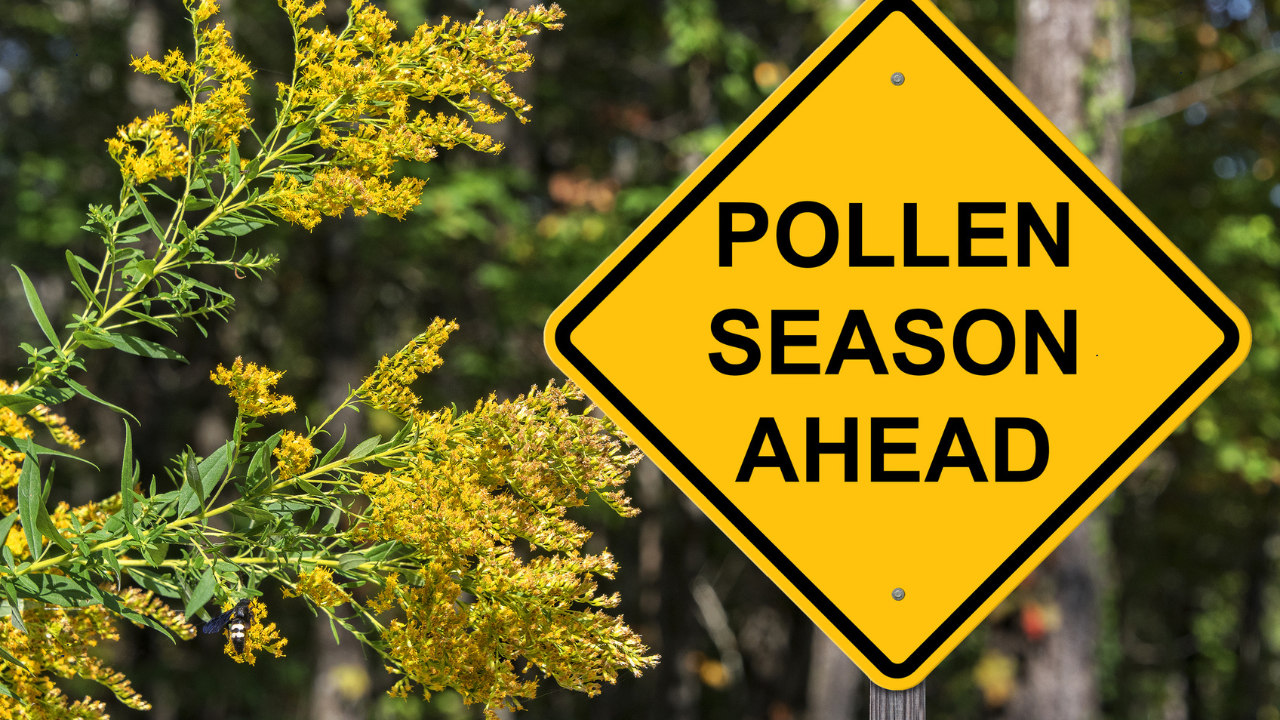
Amid a red alert for a severe heatwave in the UK, the Met Office has also warned of a "pollen bomb" that could significantly affect people with hay fever.The forecaster said there is no evidence that pollen levels are worse this year, but symptoms may feel more severe due to a combination of high pollen counts and exposure to multiple pollen types.A 2026 Lancet Countdown in Europe study found that climate change is altering the flowering seasons of plants that release allergenic pollen.“The combination of the fairly breezy and dry weather is going to bring a lot of pollen into the air this week and for the coming weeks,” Alastair Culham, Professor of Botany at the University of Reading, told The Independent.“We've seen quite a mixed year so far, a very warm, dry spring which brought pollen on early, and then a series of wet weather which has allowed the grasses to grow exceptionally well. Now the weather has warmed and dried, those grasses are going into flower and the level of pollen from grass is phenomenally high,” he added.Also read: UK Issues Red Heat-Health Alert: How to Protect Yourself From Extreme HeatWhat Is Causing the Pollen Bomb?Rising temperatures, expected to exceed 30°C on several days this week, are causing trees and grasses to release large amounts of pollen into the air.“Hay fever symptoms usually appear when the pollen count, which is a measure of the number of grains of pollen in one cubic meter of air, exceeds 50,” the Met Office said.The agency noted that weather conditions influence how much pollen is released and spread. Humid and windy conditions help pollen travel, while rain can clear it from the air. On sunny days, pollen levels are typically highest in the early evening.Read To Know: No Women Aged 20-24 Died of Cervical Cancer in England Over Five Years, Thanks to HPV VaccineWhich Areas Will Be Most Affected?The Met Office has warned that grass pollen will remain at high levels across England and Wales, with Yorkshire, the Midlands and the North West expected to experience very high counts. Pollen levels are forecast to be very high across England on June 24, with temperatures reaching around 38°C in some areas.Northern Ireland and Scotland are also expected to experience medium to high pollen levels throughout the week.Read More: WHO Sounds Alarm on Europe's Extreme Heat: Here's How Hot It Could Get Across CountriesWhat Is Hay Fever?Hay fever is a common allergy that causes sneezing, coughing and itchy eyes.According to Allergy UK, one in four adults and one in eight children suffer from allergic rhinitis, the medical term for hay fever. Research suggests the number of sufferers is increasing each year.The Lancet study found that hay fever sufferers now experience symptoms for up to two weeks longer than they did in the 1990s due to climate change.Symptoms of Hay FeverSneezing and coughingRunny or blocked noseItchy, red or watery eyesItchy throat, mouth, nose and earsLoss of smellPain around the forehead and sides of the headHeadacheFatigueHow to Protect Yourself According to the UK NHS, hay fever can last for weeks or months, unlike a cold, which usually resolves within one to two weeks. While there is no cure, symptoms can be managed when pollen levels are high.DosApply petroleum jelly around your nostrils to trap pollenWear wraparound sunglasses, a mask or a wide-brimmed hat outdoorsShower and change clothes after being outsideKeep windows and doors closed as much as possibleVacuum regularly and dust with a damp clothUse a pollen filter in your car and a HEPA filter in your vacuum cleanerTake antihistamine drops, tablets or nasal spraysDon'tCut the grass or walk on the grassSpend excessive time outdoorsKeep fresh flowers inside the houseSmoke or stay around smokeDry clothes outsideLet pets indoors if possible, as they can carry pollen inside.