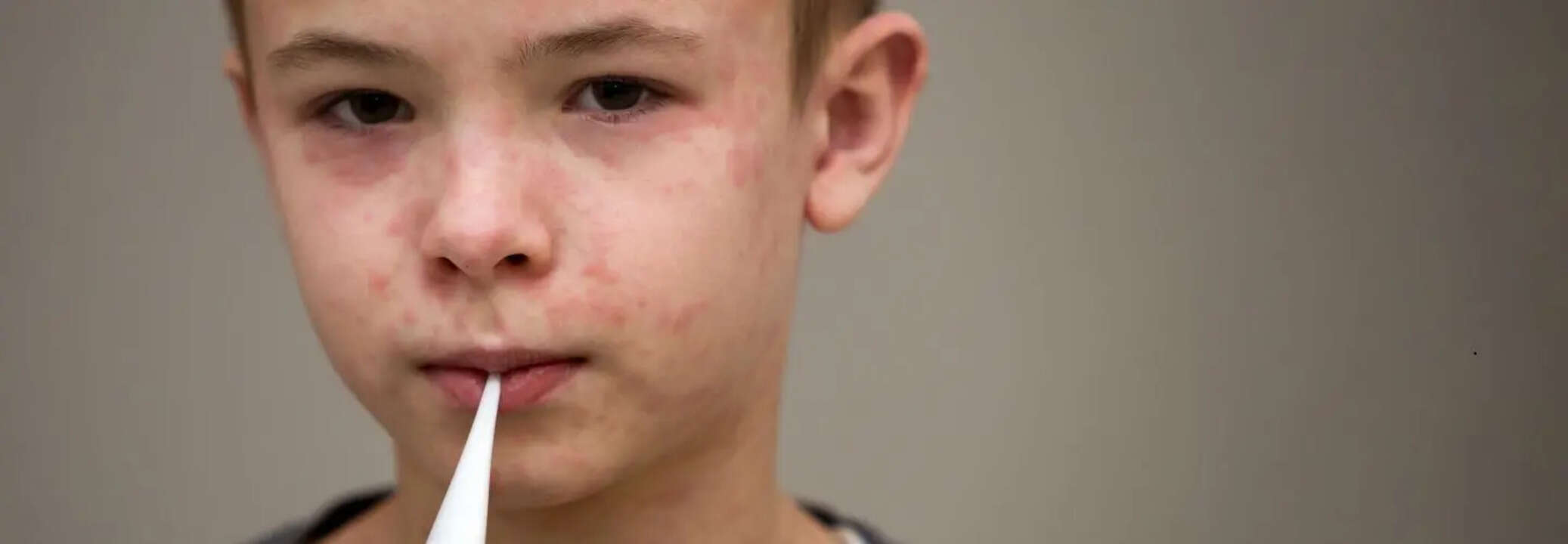
An outbreak of measles in American state of Oregon has become the largest in over 30 years, reflecting a broader rise of the disease across the US this year. According to the Centers for Disease Control and Prevention (CDC), nearly one-third of all measles cases in the country since the COVID-19 pandemic began have occurred in the past three months. As of Tuesday, Oregon's outbreak, which began in mid-June, has risen to 31 cases, surpassing the 28 cases reported during the state’s previous outbreak in 2019.Health experts attribute this resurgence to a decline in measles, mumps, and rubella (MMR) vaccination rates among children nationwide. Outbreaks are typically confined to communities with low vaccination coverage. "Measles is one of the most contagious diseases known, and the only way to control it is to maintain very high immunization rates—above 95%," said Paul Cieslak, medical director for communicable diseases and immunizations at the Oregon Health Authority’s Public Health Division. "Two doses of the vaccine provide lifelong protection for about 97% of recipients."Everything You Should Know About Measles Measles is a highly contagious viral disease caused by the measles virus, a member of the paramyxovirus family. It primarily spreads through respiratory droplets when an infected person coughs or sneezes, and it can also be transmitted by touching surfaces contaminated with the virus. According to the World Health Organization (WHO), measles remains a significant global health issue, particularly in areas with low vaccination coverage. The disease is characterized by a distinctive rash, high fever, cough, runny nose, and inflamed eyes.Symptoms of measles typically begin about 10 to 12 days after exposure to the virus. Initial signs include a high fever, cough, runny nose, and conjunctivitis, followed by the appearance of a rash that usually starts on the face and spreads downward. In some cases, complications such as diarrhea, ear infections, and more severe outcomes like pneumonia and encephalitis can occur. The rash usually lasts for about a week, and the fever typically subsides once the rash appears.Treatment for measles primarily focuses on relieving symptoms and managing complications. There is no specific antiviral treatment for measles, so care is supportive and may include fluids, fever reducers, and rest. The World Health Organization emphasizes the importance of vaccination as the most effective way to prevent measles. The measles, mumps, and rubella (MMR) vaccine is highly effective, with two doses providing long-lasting protection. Vaccination not only protects individuals but also helps prevent outbreaks by contributing to community immunity.