
- Health Conditions A-Z
- Health & Wellness
- Nutrition
- Fitness
- Health News
- Ayurveda
- Videos
- Medicine A-Z
- Parenting
'1 In 3 Indians Has Fatty Liver' Gastroenterologist Reveals A Key Early Sign You Should Know
(Credit-Canva)
As lifestyle diseases like obesity, diabetes, and certain heart health issues rise, many people are worried about their declining health and how to fix it. Another such disease is fatty liver disease, also known as Non Alcoholic Fatty Liver Disease (NAFLD)
According to a 2021 study, out of an estimate from 2903 children and 23,581 adult participants, the overall estimated average of NAFLD was 38.6%.
Fatty liver disease happens when too much fat builds up in your liver. If we catch it early, this condition is usually not a big health risk and can often be cured easily.
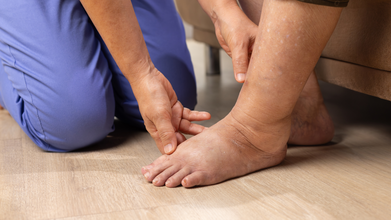
However, if left untreated, it can cause a lot of problems. To tackle this and catch this disease early, one must learn how to identify the symptoms of fatty liver. To help with this, Dr. Pradip Vekariya, Gastroenterologist, posted a video on his social media handle. In the caption he wrote, “1 in 3 Indians has fatty liver — are you one of them? Fatty liver can silently progress to liver cirrhosis if ignored.” He then pointed out an early symptom that can help you get an early diagnosis and avoid the later consequences, which is Pedal edema (swollen feet).
Are Swollen Feet A Sign of Fatty Liver?
If you notice swelling in your feet and ankles—a condition doctors call pedal edema—it might be more than just tired legs. This swelling can often be an early sign that your liver is in trouble. This is a sign that soon things will become worse.
If the disease gets worse, the liver becomes inflamed and damaged. Over time, healthy liver tissue is replaced with scar tissue, which stops the liver from working properly. When this severe, permanent damage occurs, it's called liver cirrhosis. This is dangerous and can lead to liver failure or even liver cancer.
How Swelling Is A Sign Of Liver Damage
As fatty liver disease moves into the serious stage of liver cirrhosis, you often start to notice swelling in different parts of your body. This happens because the liver is no longer working properly. Here are some other body parts that also may be affected with swelling according to National Health Services UK.
Abdomen (Ascites)
One of the clearest signs of advanced liver disease is swelling in the belly, known as ascites. Because the pressure is so high, fluid leaks directly out of the blood vessels and collects inside the abdomen. This causes the belly to look swollen and feel uncomfortable.
Legs, Ankles, and Feet (Edema)
The increased pressure also pushes fluid out in other areas. This commonly causes swelling in the legs and ankles, which is called edema. Since gravity pulls the fluid down, the feet often swell too.
Hands and Arms
Fluid retention caused by liver problems and high pressure can also cause your hands to swell, making them look puffy and bloated.
Chest and Breasts (In Men)
In men, severe liver disease can upset the balance of hormones in the body. This hormonal change can lead to a condition called gynecomastia, which is when the breast tissue becomes enlarged. This issue may also be connected to a loss of sex drive and problems having children.
How To Manage Fatty Liver?
If you notice unexplained swelling in any of these areas, it is crucial to see a doctor immediately. While swelling can signal liver disease, it can also be caused by other serious conditions like heart or kidney failure. A doctor will perform tests (like blood work and imaging) to find the exact cause and get you the right treatment. It is very important to get an early diagnosis to prevent fatty liver disease from getting worse. The best way to manage it, especially in the early stages, is through lifestyle changes:
- Adopt a healthy diet.
- Exercise regularly.
- Avoid drinking alcohol.
Should I Take A Shower When I'm Sick?
Credits: iStock
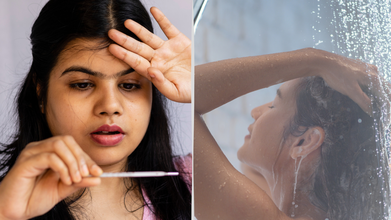
When you are burning up, even a simple shower can feel confusing. Should you cool your body quickly with cold water or soothe your aches with something warm? Fever is a natural defense mechanism, but the symptoms it brings can make you feel miserable. The right water temperature can help ease discomfort and support your recovery.
Below is a simple breakdown of how fever affects your body, followed by practical shower tips and additional ways to safely bring your temperature down.
How Fever Resets Your Body’s Thermostat
During an infection, your immune system releases chemicals called pyrogens. These signals tell the hypothalamus, which is your internal thermostat, to raise your core temperature. The added heat slows the growth of certain viruses and bacteria and helps immune cells work more efficiently.
This temperature rise is why you feel:
- Chills as your body works to reach the new set point
- Sweating when the fever begins to settle
- Faster heart rate and quicker breathing, which increase fluid loss
Knowing this matters because water that is too cold can trigger intense shivering, which drives your temperature higher. Water that is too hot can widen your blood vessels and increase sweating, which may worsen dehydration.
Cold, Lukewarm, or Hot: Which Shower Helps Most?
Each water temperature works differently with a fever. Understanding these differences helps you choose what your body needs at that moment.
Cold showers cool your skin quickly. They may feel refreshing if you are overheated, but they often trigger shivering. That shivering can raise your core temperature and is especially risky in children.
Lukewarm or tepid showers are the safest choice for most people with fever. This temperature allows gentle heat loss through the skin without causing shivering. It helps you cool down gradually while keeping your body comfortable.
Warm or hot showers can help relieve muscle aches or sinus congestion, especially for adults. However, they can increase sweating and may slightly raise your temperature. Avoid them if you are already overheated or dehydrated.
Simple Shower Tips When You Have a Fever
- Start with lukewarm water to safely reduce temperature and ease discomfort.
- If you feel flushed and sweaty, splash cold water only on pulse points such as the wrists and neck.
- Use warm showers only for congestion relief and follow up with hydration and light clothing.
- If you feel dizzy, sit on a chair outside the shower and let steam fill the bathroom while you take a gentle sponge bath.
Other Safe Ways to Bring Down a Fever
Rest
Your body is already working hard to fight the infection. Light activity can raise your temperature further, so give yourself time to rest and recover.
Stay Hydrated
Fever increases the risk of dehydration, especially if you have vomiting or a poor appetite. Sip water, oral rehydration solutions, or electrolyte drinks. Chilled fluids can also help lower your temperature.
Stay Cool
Keep your room slightly cool and wear loose, breathable clothing. If you have chills, use a light blanket but avoid overheating. You can place a cool cloth on your forehead or under the arms for short intervals.
Medication
Over the counter fever reducers like acetaminophen and ibuprofen can safely lower fever. Always follow dosage guidelines. Avoid aspirin in children because it can lead to Reye's syndrome.
What Not to Do
- Do not take cold showers or ice baths because they trigger shivering and can raise your temperature.
- Avoid alcohol rubs since the alcohol can be absorbed through the skin.
- Do not take extra doses of fever medicine thinking it will work faster.
- Always read medication labels carefully to avoid accidental overdosing.
Is There A Link Between Your Kidney Health And Other Chronic Diseases? Lancet Study Says Yes
Credits: iStock
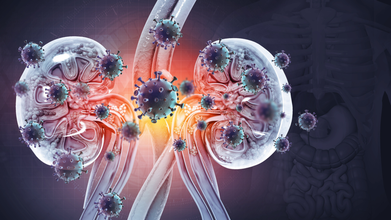
Turns out, kidney disease is not just a ‘kidney’ problem anymore, it can, in fact, affect other organs, and could even be linked to other chronic conditions, revealed a recent study.
In the US, more than 1 in 7 adults are affected by chronic kidney disease or (CKD). This means that 35.5 million Americans are affected by it, and what makes it worse is that 9 out of 10 people do not even know they have CKD, says the Centers for Disease Control and Prevention (CDC). Amid all these numbers thrown on to, something more concerning lies. A recent Lancet study shows a link between the rise in CKD and other chronic diseases. We are talking about chronic conditions like diabetes, high blood pressure, and obesity.
So, What Does The Study Say?
The researcher saw that 14 percent of adults who are over the age 20 or older, which makes 788 million Americans who had CKD in 2022. The biggest problem is not the disease itself, but the unawareness. Doctors, experts, and researchers from time and again have pointed out how kidney disease is often asymptomatic, this is why it is ignored until it becomes advanced. However, at that point the patients could already need dialysis or even an organ transplant. This gap in early diagnosis and treatment is what has made CKD the ninth leading reason of death, worldwide.
When you kidney functions naturally, it works as the powerhouse of filtration. A pair of healthy kidneys are able to filter and process more than 150 liters of fluid from the blood. These organs are also responsible for filtering out the waste and toxins through your urine. Not just that, but your kidneys also help in red blood cells production that keeps you healthy. When all of that does not happen, it can eventually impact every other organ in your body.
Like they say, everything is connected, and it surely is. For instance, somewhere around 20% of the blood that your heart pumps goes to your kidneys. If someone has diabetes and high blood pressure, it could damage the blood vessels and lead to protein in the urine and a slower filtration rate. It can then lead to other chronic infections, autoimmune disorders, and even genetic variants.
Kidney-Body Relation
If you leave your kidney disease untreated, it could lead to kidney failure. This is when you would be more in need of dialysis or a transplant. Doctors have pointed out that most people do not die of chronic kidney disease, rather it impacts their quality of life, worsening their cardiovascular conditions. It can lead to complications like a heart attack, a stroke, or a heart failure.
How Does This Happen?
People who have kidney diseases are at an increased risk for high blood pressure. Due to hurdles in the process of filtration, plaque build ups and hardens the arteries. This in return increases stress on the heart. In fact, the American Heart Association also defined the link between kidney and heart as 'cardiovascular-kidney metabolic syndrome'. This defines a health disorder that is a condition of the overlap of obesity, chronic kidney disease and cardiovascular diseases.
The bleed out of CKD is not just limited to your heart. The National Institute of Health, US points out that along with heart complications and high blood pressure, CKD could also lead to anemia, mineral and bone disorder, metabolic acidosis, malnutrition, and electrolyte imbalances in the blood.
So, What Is The Best Way To Keep Yourself Safe?
The first way is to note any symptoms and get yourself diagnosed. Look for signs like loss of appetite, unexplained nausea or vomiting. Do you feel tired often? Are you having trouble concentrating? Is there any change in how often you go pee?
Other symptoms like a change in your urine color or texture, or feeling itchy or dry, muscle cramps, unexplained weight loss or skin conditions could also signal towards kidney diseases.
However, not always does CKD show symptoms, experts suggest that to be one step ahead, it is important to undergo regular health checkups, including blood culture. General guidelines usually point towards getting a blood test done every 3 to 6 months. For someone with high blood pressure, diabetes or any other disease, the current guidelines say that those people should get regular blood and urine tests to screen for kidney disease. But what really happens is that though these tests exist, they are still used far too little. Doctors point out that many patients skip them because collecting a urine sample feels inconvenient, and overall awareness about kidney disease remains low. As a result, research shows that only about 35 percent of people with diabetes, and just 4 percent of those with high blood pressure, actually end up getting the recommended urine screening.
A ray of hope is that there are now several effective tools to slow the progression of kidney disease. Along with traditional options like ACE inhibitors, newer classes of medications including certain heart failure drugs and GLP-1 drugs. These medicines have shown to help protect kidney function. Although these newer treatments are not widely used yet, their adoption is steadily increasing.
What is important to remember is to also always consult your GP to ensure all preventative measures are followed carefully.
Does Drinking Cold Water Help With High Blood Pressure? Expert Reveals
Credits: Canva
Consuming enough water each day plays an important role in keeping the body working as it should. It helps digestion and metabolism, supports temperature control, aids waste removal, and keeps organs and tissues in good condition. Still, whenever blood pressure rises, many people look for quick fixes, and one of the most common questions is whether drinking cold water can calm the numbers.
The idea sounds straightforward, but the body reacts to cold in more layered ways. Knowing how cold water influences the heart and blood vessels can help separate fact from assumption. To understand this better, we spoke with Dr Rajeev Chowdry, Director of Internal Medicine at Yatharth Super Speciality Hospital, Sector 20, Faridabad.
Can Cold Water Help With Blood Pressure?
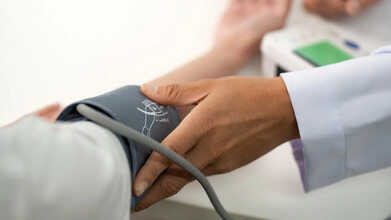
Cold water may bring down blood pressure for a brief period. Drinking chilled water can activate the vagus nerve in some individuals, which slows the heart rate and leads to a short-lived drop in blood pressure. The body also triggers a “diving reflex” when exposed to cold, such as splashing cold water on the face, and this can cause a similar short-term response.
Dr Rajeev explained, “Cold water may lower blood pressure for a small amount of time, but not enough to replace someone’s prescribed treatment for hypertension or to be trusted as a method to manage the condition.” He added that for certain people, cold exposure might have the opposite effect, causing blood vessels to tighten and raising blood pressure instead.
Blood Pressure: Who Is Most At Risk?
According to Dr Rajeev, some groups are more vulnerable to a rise in blood pressure, added strain on the heart, or other problems linked to sudden cold exposure:
- High Blood Pressure (Hypertension) — Cold temperatures narrow blood vessels, which can push blood pressure even higher and raise the risk of stroke or heart attack.
- Older Adults — With age, arteries become less flexible, making it harder for the body to adjust to sudden changes in temperature.
- People With Heart-related Health Issues — Cold exposure can place extra demand on the heart by raising blood pressure, changing heart rate in some cases, and reducing blood flow to the heart as blood vessels tighten. This may trigger chest pain for some individuals.
- Patients With Arrhythmias — Those with irregular heart rhythms may experience worsening symptoms, particularly with sudden contact with cold water.
- Individuals On BP-lowering Medication — Some may feel dizzy, lightheaded, or rarely faint if very cold conditions combine with medication that lowers blood pressure.
In summary, while water alone will not manage high blood pressure, staying well hydrated supports overall health and may contribute to better long-term blood pressure control. Anyone making changes to their routine should check with a healthcare professional, especially those already dealing with medical conditions or concerns about their blood pressure.
- Follow Us :


© 2024 Bennett, Coleman & Company Limited