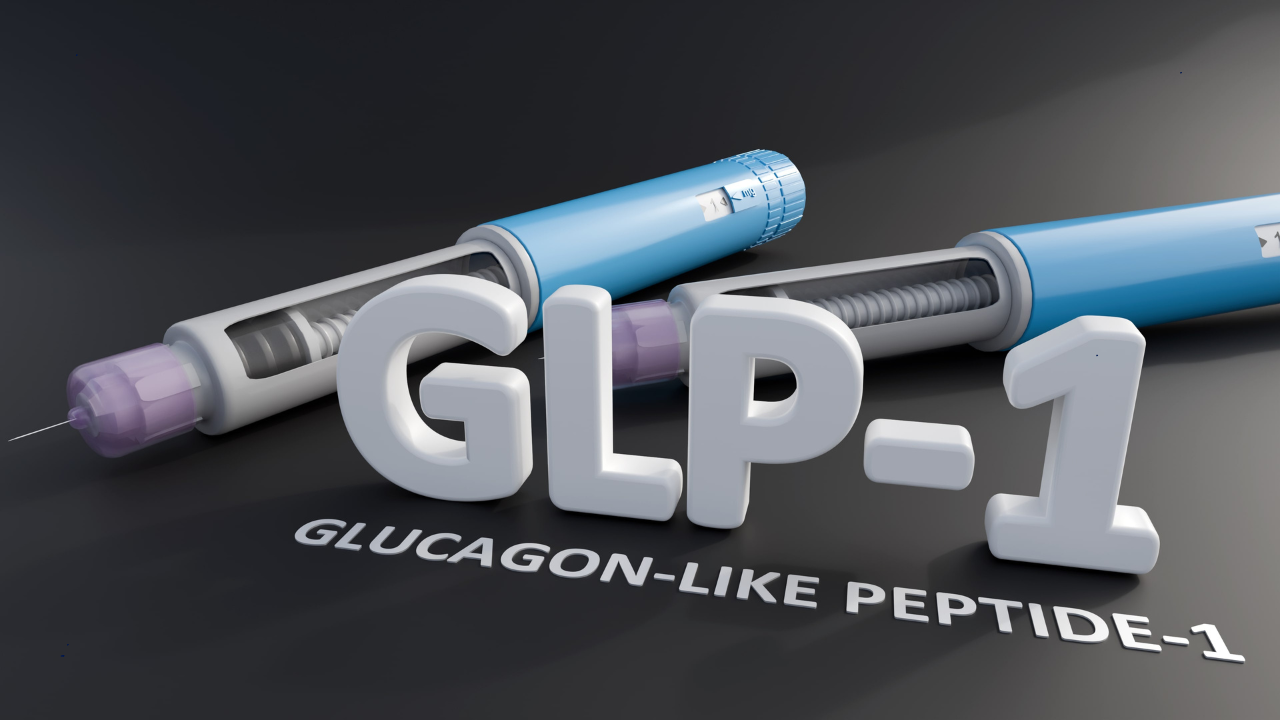
Popular GLP-1 medications such as Ozempic, Wegovy, and Zepbound are well established for improving metabolic health, lowering blood sugar and promoting weight loss. These blockbuster drugs are also known to reduce the risk of conditions such as heart disease and type 2 diabetes.Now, researchers are exploring whether these medications could also help slow biological aging and potentially increase longevity.Study Explores Anti-Aging PotentialA recent US National Institutes of Health (NIH)-backed study, published in the journal Nature, found that Ozempic slowed biological aging in people living with HIV and lipohypertrophy, a condition in which fatty deposits develop under the skin.People with HIV often experience accelerated aging because of the infection, making them an important group for age-related research, said lead author Dr. Michael Corley, associate professor of medicine at the University of California, San Diego's Stein Institute for Research on Aging, according to The New York Times.Although the trial was preliminary, Dr. Corley said it "provided us an opportunity to say, hey, is there any signal here that warrants all the hype?"Can GLP-1 Drugs Slow Aging?Experts believe the findings are promising, but stressed that more research is needed.Dr. Nicolas Musi, director of the Diabetes and Aging Center at Cedars-Sinai, told NYT that because these drugs reduce the risk of diseases associated with aging, they could potentially improve lifespan as well."GLP-1 agonists decrease the incidence of diseases that are related to aging and are associated with decreasing life span. One would assume that they're also potentially going to increase life span and be beneficial for longevity," Dr. Musi said.Researchers also point to the drugs' anti-inflammatory effects. Chronic inflammation is one of the biological processes linked to aging, said Dr. Thomas Blackwell, professor of general internal medicine at the University of Texas Medical Branch in Galveston.However, scientists caution that there is currently no evidence showing that GLP-1 drugs provide longevity benefits for people who are already metabolically healthy.What Are GLP-1 Drugs?Drugs such as Ozempic and Wegovy contain semaglutide, a GLP-1 receptor agonist, while Zepbound and Mounjaro contain tirzepatide.These medications are approved for the treatment of type 2 diabetes, and some are also approved for chronic weight management.GLP-1 receptor agonists work by binding to GLP-1 receptors in the body. This increases insulin production in response to food, suppresses glucagon—a hormone that raises blood sugar—and helps regulate blood glucose levels.What Does GLP-1 Do in the Body?GLP-1 (glucagon-like peptide-1) is a hormone naturally produced by the small intestine after eating. It plays several important roles in regulating blood sugar and appetite by:Stimulating insulin release from the pancreas.Suppressing glucagon secretion, which helps prevent unnecessary increases in blood sugar.Slowing stomach emptying allows glucose to enter the bloodstream more gradually.Increasing feelings of fullness (satiety), which helps reduce food intake.