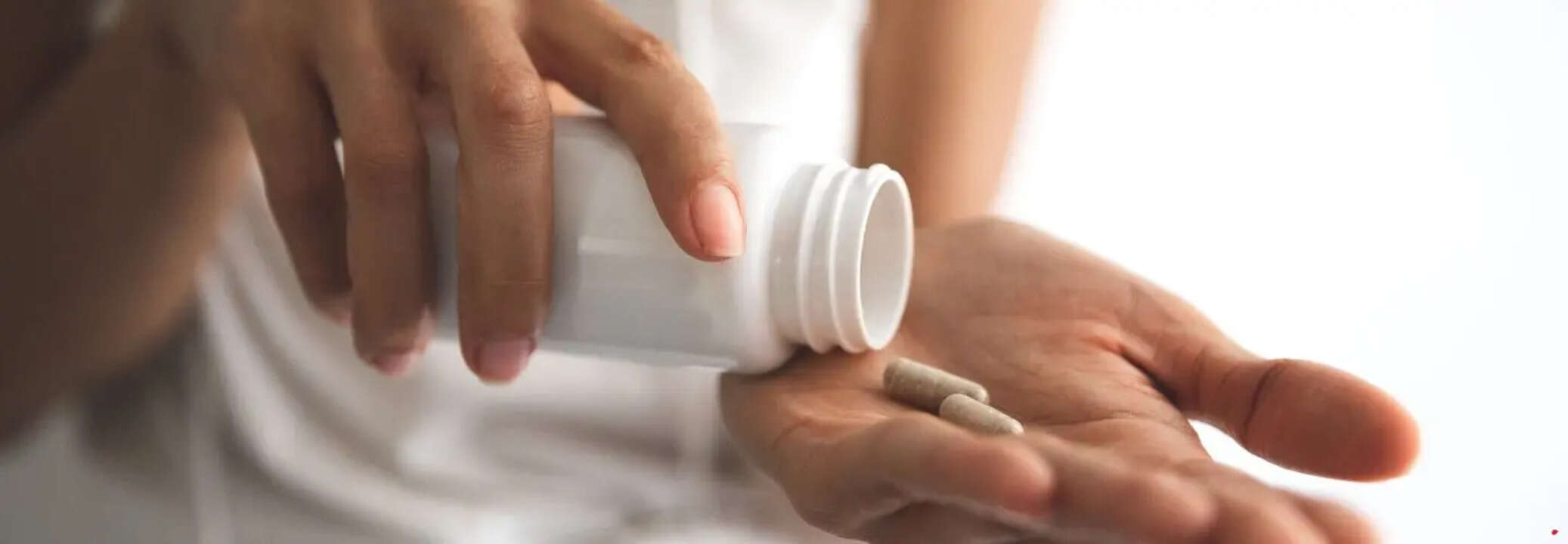
A snack shop in southeastern China has come under fire after allegedly advertising "placenta processing" services and selling capsules made from afterbirth. The incident, which surfaced on April 6, has triggered widespread criticism and prompted an official investigation.The controversy began when a netizen posted online about Auntie Congee’s Snack Shop, located near the Changzhou Hospital of Traditional Chinese Medicine in Jiangsu province. According to the post, the shop was involved in the processing of human placentas and selling them in capsule form, claiming health-boosting properties.Images shared on social media revealed a signboard outside the store clearly stating “placenta processing.” The shop reportedly charged 800 yuan (US$110) if the customer did not provide their own placenta, and 300 yuan if they did. The business claimed that all placentas used were obtained from new mothers in hospitals.The owner, who previously worked in post-partum recovery, told local media that she could also connect customers with maternity matrons. Alongside the physical snack shop, she also operated an online store named Zixuan Maternity Matron Centre.The online platform offered various post-partum services, including maternity care, childcare, meal preparation for new mothers, placenta processing, and recovery services. Promotional materials showed the process of grinding placentas with ingredients such as ginseng powder and turning the mixture into capsules, which were labelled *ziheche*, the term used in traditional Chinese medicine for placenta.A poster advertising the shop highlighted the supposed benefits of consuming placenta, noting it is rich in protein and nutrients. It also mentioned two processing techniques—patented freezing and traditional methods—offering customers the option to observe the process in person.The Shop Has Been Shut Down For RectificationOn April 8, the Changzhou Municipal Health Commission informed Jimu News that the shop had been shut down for rectification. A commission staff member stated, “We are currently investigating the source of the placentas. Preliminary findings indicate that they did not come from any hospital.”In traditional Chinese medicine (TCM), the use of placenta has long been believed to help replenish energy and nourish the blood. It is sometimes recommended for individuals experiencing fatigue, chronic coughing, or infertility. However, citing ethical and safety concerns, the Chinese Pharmacopoeia delisted placenta as an approved medicinal ingredient in 2015.Under Chinese law, placentas are considered the personal property of the post-partum mother, who alone can decide how they are disposed of. The sale of placentas by individuals or organisations remains illegal.The case, initially reported by the Yangtze Evening News, has sparked outrage online. One user remarked, “I really cannot believe there are people who eat placenta as food. It is so disgusting.” Another added, “It is already the year 2025! Who even believes in such nonsense? And treating women as some kind of ‘superfood’—is that not objectifying women?” A third person said, “This is not surprising at all. In the past, hospitals would ask mothers whether they wanted to keep their placentas. If they did, it was usually consumed as food.”