
- Health Conditions A-Z
- Health & Wellness
- Nutrition
- Fitness
- Health News
- Ayurveda
- Videos
- Medicine A-Z
- Parenting
Danish Study Links Hidden Bacteria In The Gut To Colorectal Cancer
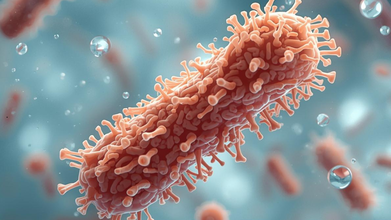
Researchers from Denmark and Australia have discovered a new virus in the gut that can contribute to the development of colorectal cancer in the body, one of the leading causes of death in the world.
Using genetic sequencing, researchers studied the gut bacteria of cancer patients in a large Danish study and found that Bacteroides fragilis, an anaerobic, gram-negative, pleomorphic to rod-shaped bacterium, often carried a bacteriophage — a virus that infects and reproduces inside bacteria.
This allows it to produce a toxin (BFT) in the colon, promoting chronic inflammation, cell proliferation and tumor growth in the region.
People with colorectal cancer were twice as likely to have this bacteriophage in their gut bacteria. The virus also appears to be previously unknown and does not match any recorded type so far.
Although the first finding came from a small group, it was later confirmed in a larger study of 877 people with and without colorectal cancer. The results suggest that viruses hiding inside B. fragilis may play a role in cancer development.
Microbiologist Flemming Damgaard, from Odense University Hospital in Denmark: "It has been a paradox that we repeatedly find the same bacterium in connection with colorectal cancer, while at the same time it is a completely normal part of the gut in healthy people.
"We have discovered a virus that has not previously been described and which appears to be closely linked to the bacteria we find in patients with colorectal cancer."
What Is Colon Cancer?
Colon cancer develops from polyps in the colon or rectum, often taking years to show symptoms. The cancer begins when small growths called polyps form on the inner lining of the colon or rectum. Over time, changes in the DNA of these cells can cause the polyps to become cancerous.
As abnormal cells multiply, they replace healthy cells and eventually form a mass known as a tumor. This process develops slowly, often taking up to ten years for a precancerous polyp to turn into cancer and begin showing symptoms.
The American Cancer Society notes that colorectal cancer impacts around 1.9 million people every year.. In India, it is the fourth most common cancer among both men and women. In 2022, there were 64,863 new cases and 38,367 deaths.
Projections suggest that incidence will continue to rise by 2026, reflecting both lifestyle changes and improved detection.
Colon cancer can be difficult to detect because it often develops without obvious symptoms. According to experts , these are the three things you should do to protect yourself:
1. Timely risk screening
2. Knowing your cancer family history
3. Acting on early symptoms
What Early Symptoms Should You Look Out For?
Colon cancer rarely announces its presence with dramatic symptoms. More often, it whispers — through changes in bowel habits, subtle abdominal discomfort, or unexplained weight loss.
Some of the most commonly missed early signs include:
- Persistent changes in bowel movements: Chronic constipation or diarrhea often dismissed as dietary effects.
- Blood in stool: Bright red or dark blood should not be ignored.
- Unexplained weight loss: Especially when unintentional.
- Abdominal cramps or bloating: Misinterpreted as common digestive issues.
Persistent changes in bowel habits, especially if they last more than a few days, must be taken seriously. Narrow or ribbon-shaped stools may indicate a tumor partially blocking the colon.
Running Ultra-Marathons Harms Your Red Blood Cells, Study Says

Credit: Canva
Participating in ultra-marathons can cause damage to your red blood cells' flexibility and hamper their oxygen-carrying capacity, a study suggests.
A study published in the American Society of Hematology’s journal Blood Red Cells & Iron notes that extreme forms of exercise may harm, rather than support, overall health.
In the case of ultra-marathons, runners experience breakdown of normal red blood cells during races. Over time, their red blood cells become less flexible and potentially reduce their ability to efficiently carry oxygen, nutrients and waste products throughout the body.
Travis Nemkov, associate professor in the department of biochemistry and molecular genetics at the University of Colorado Anschutz and the study’s lead author said of the results: “Participating in events like these can cause general inflammation in the body and damage red blood cells.
“Based on these data, we don’t have guidance as to whether people should or should not participate in these types of events; what we can say is, when they do, that persistent stress is damaging the most abundant cell in the body.”
Red blood cells transport oxygen and waste throughout the body and must be flexible enough to squeeze through small blood vessels. When red blood cells become inflexible or rigid, they lose their ability to deform and navigate through the body's smallest vessels, leading to impaired oxygen delivery, blockage of blood flow, and rapid destruction by the body's filtration system.
This can lead to low hemoglobin and anemia which can pave the way for diseases like Sickle Cell Disease (SCD), thalassemia, hereditary spherocytosis, and, in some cases, the "storage lesion" of blood in transfusion banks.
READ MORE: Ultra Marathoner Sufiya Sufi Runner: The Woman Who Set 5 Guinness World Records
What Is Low Hemoglobin?
Hemoglobin is the oxygen-carrying protein in red blood cells. Adequate hemoglobin levels are essential for keeping organs and tissues properly supplied with oxygen. Without enough of it, the body begins to struggle to meet its basic energy needs.
Low hemoglobin is usually identified through a blood test. It is most often measured as part of a complete blood count (CBC), which checks different components of the blood, including red and white blood cells and platelets, as per Healthline.
While exact reference ranges can vary slightly between laboratories, healthy adult hemoglobin levels usually fall within the ranges listed below. These values are different for babies, children, and teenagers:
- Normal Hemoglobin Count in Grams per Deciliter (g/dL) | Normal Hemoglobin Count in Grams per Liter (g/L)
- Adult Males: 13.8–17.2 | 138–172
- Adult Females: 12.1–15.1 | 121–151
Any reading below these ranges in adults is considered low hemoglobin and suggests that oxygen delivery in the body may be reduced, as per Mayo Clinic.
Is Low Hemoglobin Ever Dangerous?
Low hemoglobin is not always an emergency. In many cases, it develops gradually and can be managed with treatment. That said, very low levels can be dangerous. A hemoglobin level below 5.0 g/dL has been linked to serious complications, including heart failure and even death. Levels under 6.5 g/dL may be considered life-threatening and require urgent medical care.
What Causes Low Hemoglobin?
One of the most common reasons for low hemoglobin is anemia. Anemia occurs when the body does not have enough healthy red blood cells. The most frequent type is iron-deficiency anemia, which develops when the body lacks enough iron to produce hemoglobin.
Other forms of anemia include pernicious anemia, which occurs when the body cannot properly absorb vitamin B12, and hemolytic anemia, where red blood cells are destroyed faster than they are produced.
Low hemoglobin can also be caused by:
- Blood loss or internal bleeding
- Certain cancers, including leukemia, lymphoma, multiple myeloma, and cancers that spread to the bone marrow
- Chronic kidney disease
- Deficiencies of folate or vitamin B12
- Hypothyroidism
- Liver disease
- Poor nutrition or malnutrition
- Myelodysplastic syndrome (MDS)
- Sarcoidosis
- Sickle cell disease and other inherited blood disorders
- Systemic lupus erythematosus
- Thalassemia, a genetic condition that reduces hemoglobin production
- Excess fluid in the body
- Cancer treatments such as chemotherapy and radiation can also lower hemoglobin levels, particularly in adults over the age of 65.
What Does Having Low Hemoglobin Feel Like?
Some people with mildly low hemoglobin may not notice any symptoms at first. Others may begin to feel unwell as levels drop further or remain low over time. Common signs and symptoms include:- Feeling dizzy or lightheaded, sometimes fainting
- Muscle weakness
- Ongoing fatigue or low energy
- Pale or washed-out skin
- Frequent headaches
How Is Low Hemoglobin Treated?
Treatment depends entirely on what is causing the low hemoglobin. A healthcare provider will first identify the underlying reason before recommending treatment. Possible treatment options include:
- Blood transfusion: If hemoglobin is low due to heavy blood loss, a transfusion may be needed to restore levels quickly.
- Vitamin supplements: When nutritional deficiencies are the cause, iron, folate, or vitamin B12 supplements are often prescribed. Hemoglobin levels usually begin to improve within six to eight weeks.
- Intravenous (IV) therapy: In cases where iron or B12 levels need to be raised rapidly, IV infusions may be recommended.
- Bone marrow transplant: This may be required when low hemoglobin is linked to certain cancers or bone marrow disorders.
If a long-term illness is responsible, managing that condition becomes the key part of treatment, alongside monitoring hemoglobin levels regularly.
Experts Reveals How The Placenta Increases Schizophrenia Risk In Adults

Credit: Canva
Schizophrenia is a severe, chronic brain disorder that can lead psychosis, hallucinations, delusions, disorganized thinking and reduced emotional expression. It can affect how a person thinks, feels and behaves, making it hard to distinguish reality.
The chronic neurological condition affects less than one percent of the global population and typically emerges in late teens to early thirties, requiring lifelong treatment.
However, Canadian researchers have now pointed towards the placenta as a possible source of early indicators of schizophrenia risk.
According to the scientists, the placenta can "record" what happens during pregnancy and can reflect both healthy and unhealthy conditions for the baby, a phenomenon known as the placenta-brain axis.
The theory suggests that when the placenta is negatively affected, brain development may also be harmed in both the short and long term and increase the baby's risk of developing the lifelong condition.
Multiple large-scale studies have found that in pregnancies where babies are born with low birth weight, certain genetic markers in the placenta are altered. These changes are strongly linked to a higher risk of schizophrenia and other developmental problems, such as autism and learning difficulties.
There is also strong evidence that using cannabis during pregnancy can harm a baby’s brain development and increase the risk of schizophrenia.
However, while cannabis use during pregnancy is known to be linked to low birth weight, it is still unclear whether cannabis exposure affects the same placental genetic markers associated with schizophrenia.
How Is Brain Impacted During Schizophrenia?
In schizophrenia, the brain experiences structural and chemical changes that disrupt normal thinking, emotions, and behaviour. Research shows that people with schizophrenia often have reduced grey matter volume, particularly in areas involved in memory, emotion, and decision-making, like the hippocampus and prefrontal cortex.
Abnormalities in neurotransmitters, especially dopamine and glutamate, also play a key role, leading to symptoms such as hallucinations, delusions, and cognitive difficulties. Connectivity between different brain regions may become impaired, affecting the brain's ability to process information smoothly.
These changes typically emerge gradually, often beginning in late adolescence or early adulthood, and vary significantly from person to person.
How To Identify Schizophrenia?
Schizotypal Personality Disorder is part of Cluster A personality disorders. Other disorders in this cluster include paranoid personality disorder and schizoid personality disorder. Individuals with this condition struggle with social and interpersonal skills, especially when forming close relationships. This occurs alongside eccentric behaviour and perceptual or cognitive distortions.According to the DSM-5 (Diagnostic and Statistical Manual of Mental Disorders, 5th Edition), schizophrenia is diagnosed based on a set of specific symptoms. Here's the list of core symptoms:
- Delusions – strong false beliefs not based in reality (e.g., believing you are being persecuted or have special powers).
- Hallucinations – hearing, seeing, or sensing things that aren't actually there (most commonly auditory hallucinations).
- Disorganised speech – frequent derailment, incoherence, or illogical conversation.
- Grossly disorganised or catatonic behavior – unpredictable agitation, inappropriate behaviour, or lack of movement/responsiveness.
- Negative symptoms – diminished emotional expression, reduced motivation (avolition), reduced speech (alogia), social withdrawal, or inability to experience pleasure (anhedonia).
Scientists Find Protein Inside The Body That Reverses Brain Aging
Credit: Canva
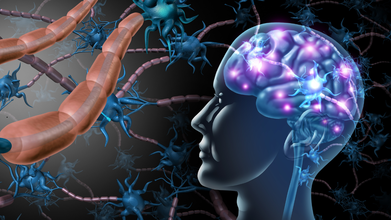
Researchers at the National University of Singapore (NUS Medicine) have found a key protein in the brain which can help to regenerate neural stem cells and improve aging-associated memory decline.
Known as cyclin D-binding myb-like transcription factor 1 or DMTF1, the scientists found that this protein's levels are repressed in the “aged” neural stem cells and that restoring it is sufficient to restore the regeneration capabilities of such neural stem cells.
Assistant Professor Ong Sek Tong Derrick explained: "Impaired neural stem cell regeneration has long been associated with neurological ageing. Inadequate neural stem cell regeneration inhibits the formation of new cells needed to support learning and memory functions.
"While studies have found that defective neural stem cell regeneration can be partially restored, its underlying mechanisms remain poorly understood. Understanding the mechanisms for neural stem cell regeneration provides a stronger foundation for studying age-related cognitive decline."
How Does DMTF1 Protect Against Memory Decline And Dementia?
To understand how DMTF1 works, researchers looked at telomeres — the protective DNA caps at the ends of chromosomes. As we age and our cells divide, telomeres naturally become shorter. When they get too short, cells stop dividing and trigger inflammation. Due to this phenomenon, telomeres are often seen as a biological clock that cannot be reversed.But DMTF1 seems to bypass this limit by helping neural stem cells to keep multiplying, even during brain aging. It does this by switching on helper genes that promote cell growth through a process called chromatin remodeling.
Importantly, this process can restore the growth of stem cells that had already been damaged by telomere shortening, showing that the effects of aging may not always be permanent.
The researchers plan to further explore if elevating DMTF1 expression can regenerate neural stem cell numbers as well as improve learning and memory under the conditions of telomere shortening and natural ageing, without increasing the risk of brain tumours.
What Is Alzheimer’s Disease?
Alzheimer's disease is one of the most common forms of dementia and mostly affects adults over the age of 65.
About 8.8 million Indians aged 60 and above are estimated to be living with Alzheimer's disease. Over seven million people in the US 65 and older live with the condition and over 100,00 die from it annually.
Alzheimer's disease is believed to be caused by the development of toxic amyloid and beta proteins in the brain, which can accumulate in the brain and damage cells responsible for memory.
Amyloid protein molecules stick together in brain cells, forming clumps called plaques. At the same time, tau proteins twist together in fiber-like strands called tangles. The plaques and tangles block the brain's neurons from sending electrical and chemical signals back and forth.
Over time, this disruption causes permanent damage in the brain that leads to Alzheimer's disease and dementia, causing patients to lose their ability to speak, care for themselves or even respond to the world around them.
While there is no clear cause of Alzheimer's disease, experts believe it can develop due to genetic mutations and lifestyle choices, such as physical inactivity, unhealthy diet and social isolation.
Early symptoms of Alzheimer's disease include forgetting recent events or conversations. Over time, Alzheimer's disease leads to serious memory loss and affects a person's ability to do everyday tasks.
There is no cure for this progressive brain disorder and in advanced stages, loss of brain function can cause dehydration, poor nutrition or infection. These complications can result in death.
Can You Detect Alzheimer's Early On?
The US Food and Drug Administration has approved the use of a blood test which can help diagnose Alzheimer’s disease in adults aged 55 and above.
The blood test, known as Lumipulse, can detect amyloid plaques associated with Alzheimer’s disease and has proven to be a “less invasive option” that “reduces reliance on PET scans and increases diagnosis accessibility.”
FDA Commissioner Martin A. Makary said of the landmark decision, "Alzheimer’s disease impacts too many people, more than breast cancer and prostate cancer combined.
"Knowing that 10 percent of people aged 65 and older have Alzheimer's, and that by 2050 that number is expected to double, I am hopeful that new medical products such as this one will help patients."
It remains unclear when this test will be available for commercial use across the world.
- Follow Us :


© 2024 Bennett, Coleman & Company Limited