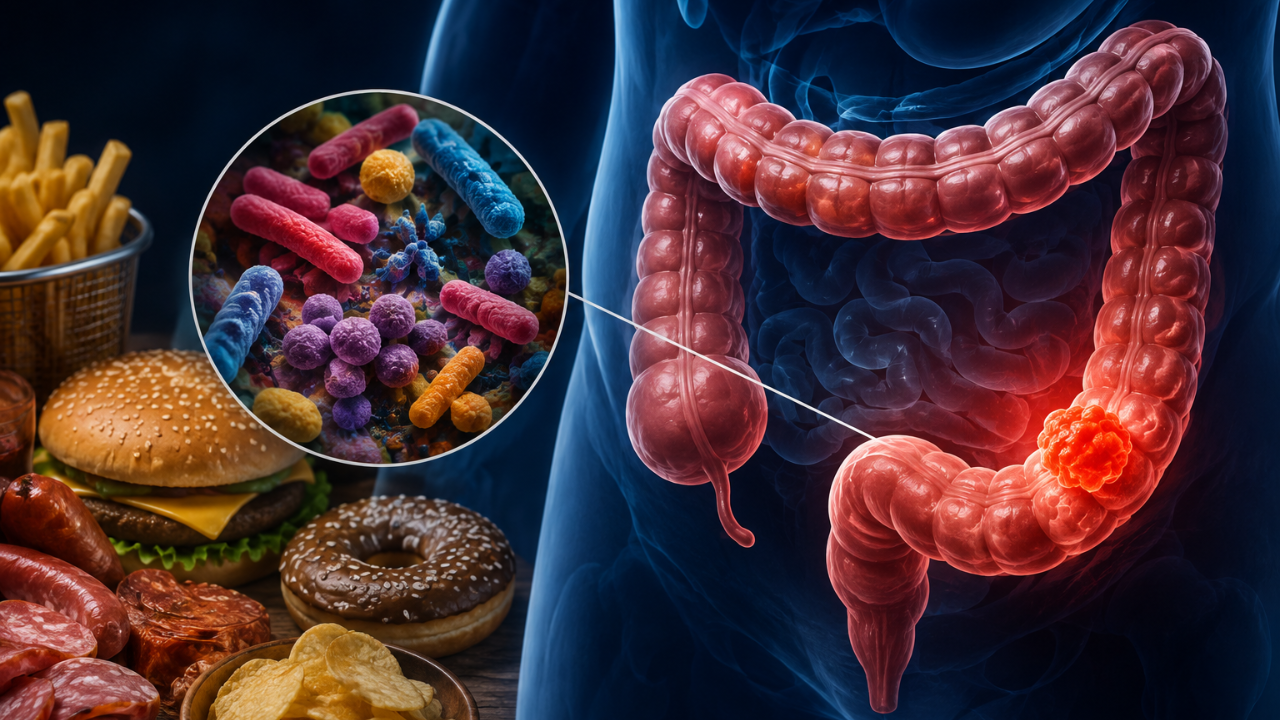
It has been long suspected that Western diets could contribute to the risk of colorectal cancer. The theory may finally have a clearer scientific explanation. A new study suggests that gut bacteria can convert compounds produced by high-fat, low-fibre diets into cancer-causing chemicals. The research sheds light on how unhealthy eating habits may lead to cancerous tumour growth in colon in the long term. What Did The Study Find? Published in the journal Gut, the research was led by Dr. Annika Osswald (first author) and Dr. Soeren Ocvirk (corresponding author), along with a large team of international scientists. The collaboration included researchers from Technical University of Munich (TUM), Germany, German Institute of Human Nutrition (DIfE), RWTH Aachen University, Freie Universität Berlin, University Hospital of Regensburg, and other institutions. Researchers found that a western-style diet, which is commonly high in red and processed meat, saturated fats, refined carbohydrates and ultra-processed foods, significantly changes the composition of the gut microbiome. These altered bacteria then modify bile acids in ways that promote inflammation and create an environment that accommodates the development of colorectal cancer tumours. According to the researchers, diet alone is not the only factor. The trillions of microbes living in the intestine determine how food is processed, producing metabolites that can either protect the gut or damage it. The study found that specific bacterial groups transformed bile acids into compounds that stimulated tumour growth in the colon. This provides one of the strongestt explanations yet for why western dietary patterns have consistently been associated with higher risk of colorectal cancer. "Our findings highlight the critical interaction between diet, gut microbes and cancer biology," the researchers noted, adding that targeting the microbiome could become a future strategy for preventing colorectal cancer. Also read: Why English Actor Peter Duncan Is Advocating For Focal Therapy After His Prostate Cancer Treatment?Negative Effects Of Western DietA western diet typically includes: High amounts of processed and red meatFried foods and saturated fatsSugary drinks and dessertsRefined grainsLow intake of fruits, vegetables, legumes and whole grainsPrevious research has repeatedly linked this eating pattern with obesity, diabetes, heart disease and colorectal cancer, but scientists have long found it challenging to explain the exact cause until now. Also read: AI-Powered Blood Test Detects Liver Cancer Across Diverse Populations, Shows Promise In Earlier DiagnosisImportance Of Gut MicrobiomeThe human gut is home to trillions of bacteria that help digest food, regulate immunity and produce beneficial compounds like fatty acids. A fibre-rich diet supports good bacteria that reduce inflammation, whereas diets high in fat and processed foods can cause microbial imbalance. The new findings suggest this imbalance changes how bile acids are metabolised, increasing the production of molecules capable of damaging the colon and supporting cancer growth in the long run. Also read: WHO Cancer Agency Flags 3 Common Medicines As Carcinogenic: What It Means For Millions Of PatientsColorectal Cancer Is Rising Among Younger Adults Earlier research has linked harmful gut bacteria, including toxin-producing E. coli, with DNA damage that may begin early in life and contribute to the rise of colorectal cancer among younger people. However, the latest findings do not prove diet alone causes cancer. Genetics, obesity, physical inactivity, sedentary life, smoking and alcohol consumption also influence risk. However, they say maintaining a fibre-rich diet with fruits, vegetables, legumes and whole grains may help preserve a healthier gut microbiome and lower long-term colorectal cancer risk.