
- Health Conditions A-Z
- Health & Wellness
- Nutrition
- Fitness
- Health News
- Ayurveda
- Videos
- Medicine A-Z
- Parenting
Having An Irregular Heartbeat Is A Sign Of A Future Stroke, Experts Warn

Credit: Canva
Atrial fibrillation (AFib) is an irregular and often very rapid heart rhythm, also called an arrhythmia and can create blood clots in the heart, which can increase your risk of having a stroke by five times.
When a person has AFib, the normal beating in the upper chambers of the heart (the two atria) is irregular and blood doesn't flow as well as it should from the atria to the lower chambers of the heart (the two ventricles).
In this case, the risk of developing blood clots in your heart increases, which can not only cause a heart attack but also damage vital organs such as your brain. An AFib may happen in brief episodes, or it may be a permanent condition.
Common symptoms include palpitations (the feeling that your heart is racing, pounding, fluttering or like you have missed heartbeats), chest pain, finding it harder to exercise, tiredness, shortness of breath, dizziness or feeling faint.
READ MORE: You Can Stop A Heart Attack With This Medicine, Cardiologist Reveals Heart Attack 101
The death rate from AFib as the primary or a contributing cause of death has been rising for more than two decades.
Over 454,000 people with AFib are hospitalized in the US each year, out of which 158,000 die of the cause. It is estimated that 12.1 million people in the US will have AFib in the US will have AFib by 2050.
Who Is At Risk Of Having AFib?
Risk factors for AFib include:- Advancing age.
- High blood pressure.
- Obesity.
- European ancestry.
- Diabetes.
- Heart failure.
- Ischemic heart disease.
- Hyperthyroidism.
- Chronic kidney disease.
- Moderate to heavy alcohol use.
- Smoking.
- Enlargement of the chambers on the left side of the heart.
Treatment for AFib includes medications to control the heart's rhythm and rate, therapy to shock the heart back to a regular rhythm and procedures to block faulty heart signals.
A person with atrial fibrillation also may have a related heart rhythm disorder called atrial flutter. The treatments for AFib and atrial flutter are similar.
How To Improve Your Heart Health
Experts recommend following the below to reduce yor risk of stroke or developing AFib and maintaining heart health:
- Don't smoke or use tobacco.
- Aim for at least 150 minutes of moderate physical activity or 75 minutes of vigorous physical activity (or an equal combination of both) each week. Eat a heart-healthy diet.
- Stay at a healthy weight.
- Get quality sleep.
- Manage stress levels
- Get regular health screening tests.
- Eat a fiber, nuts and fish-rich diet
- Limit salt intake
- Reduce saturated fat intake
NAFLD to MASLD: Experts Explain Why This Common Yet Dangerous Liver Condition Got Renamed
Credit: iStock
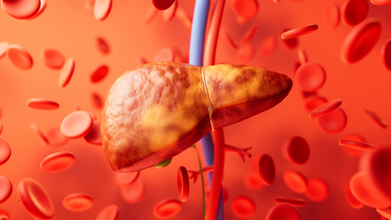
Once widely known as non-alcoholic fatty liver disease (NAFLD), the common and dangerous fatty liver condition was rephrased as Metabolic Dysfunction-Associated Steatotic Liver Disease (MASLD) due to its strong link to metabolic health issues like obesity and diabetes.
MASLD now includes patients with fatty liver disease linked to metabolic risk factors such as obesity, diabetes, and hypertension.
MASLD: So What Prompted The Change?
Globally, it was observed that all patients who have non-alcoholic fatty liver disease also have some associated form of metabolic dysfunction. The patients reported having either obesity, diabetes, metabolic syndrome, hypertension, or cholesterol problems.
And all these problems eventually lead to significant comorbidities later, like some people developed heart disease, while others developed complications of diabetes.
In view of these, a global consensus process in 2023 involving hundreds of experts from different countries adopted MASLD as it better reflected these underlying causes of the condition.
What Does MASLD Mean?
Also read: Lancet Study Shows Metabolic Liver Disease To Rise Over 38% By 2050: What’s Behind The Surge
MASLD is an umbrella term for liver conditions that develop in the presence of 1 or more cardiometabolic risk factors—including high blood sugar, elevated body mass index (BMI), and hypertension—but in the absence of other causes of liver fat accumulation.
The condition can be defined by excess liver fat accumulation (more than 5 per cent of liver weight) in the presence of metabolic dysfunction, independent of alcohol intake.
It encompasses a spectrum from simple steatosis to steatohepatitis, fibrosis, cirrhosis, and hepatocellular carcinoma.
“Initially, it was thought that having fatty liver disease without alcohol was a benign condition, but now it is recognized that, since it is associated with lots of metabolic comorbidities, it's no longer benign,” Dr. Ashish Kumar, Professor of gastroenterology and hepatology at Sir Ganga Ram Hospital in New Delhi, told HealthandMe.
He stated that whenever a diagnosis of fatty liver is present, "we should actually include other comorbidities, like obesity, dyslipidemia, which means cholesterol problem, diabetes, sugar problem, pre-diabetes, and hypertension. At least 50–70–80 percent of these patients will have one or more of these comorbidities".
Why Alcohol Is Not The Only Culprit For Fatty Liver
Although alcohol has remained the number one risk for liver disease, MASLD seems to be rising globally, including among people who do not drink. Why?
The reasons include:
a sedentary lifestyle,
increased consumption of fast and processed food,
lack of exercise,
lack of sleep,
stressful life.
Also read: Why Regular Scans Are Crucial for Liver Cancer Patients: Doctors Explain
The experts noted that food, especially the increasingly accessible junk food or processed food, is a major culprit.
“So even if the person is not drinking alcohol, people are developing addiction to processed food, and this is causing an epidemic level of obesity and diabetes. Consequently, MASLD is also increasing, and now it is becoming the number one cause of liver disease,” Dr Kumar said.
How To Prevent MASLD?
According to Dr. Sanjay Goja, Director, Liver Transplant & HPB Surgery, Narayana Hospital, Gurugram, prevention must focus on following a healthy lifestyle like maintaining a healthy BMI, engaging in regular physical activity, and eating a balanced diet.
Controlling diabetes, cholesterol, and blood pressure is also important to prevent the risk of MASLD.
Dr Siddharth Badola, Manipal Hospital, Ghaziabad, suggested sustainable lifestyle changes such as:
Maintaining an adequate body weight: Even slight weight loss (5–10 percent) has been shown to significantly reduce liver fat and inflammation.
Follow a balanced and nutrient-rich diet: People should focus on consuming whole grains, fresh fruits and vegetables, lean proteins, and healthy fats, while limiting refined carbohydrates and processed foods.
Avoid foods with added sugar: Excess consumption of fructose, commonly found in packaged foods and sugary beverages, is a key contributor to fat accumulation in the liver.
Engage in regular physical activity: At least 150 minutes of moderate-intensity exercise per week is recommended to improve insulin sensitivity and liver health.
Manage associated metabolic conditions: Effective control of diabetes, hypertension, and dyslipidemia is essential in reducing the risk of MASLD progression.
Ensure adequate sleep and stress management: Poor sleep quality and chronic stress can negatively impact metabolic balance and liver function.
Keep your body hydrated with ample water intake and follow structured meal timings.
World Chagas Disease Day: Women Key To Prevent, Eliminate The Fatal Neglected Tropical Disease
Credit: Canva/WHO
Women can play a major role in preventing as well as eliminating Chagas Disease, a potentially life-threatening neglected tropical disease that affects 8 million people globally and causes 10,000 deaths every year, according to UN agencies.
World Chagas Disease Day is observed every year on April 14 to raise awareness around the disease, and the impact it has on lives.
In a statement, the Pan American Health Organization (PAHO) and the Global Chagas Coalition urged health authorities to make women central to the fight against the disease and to empower them to make early detection, prevention, and care.
“Eliminating Chagas disease as a public health problem requires placing women at the center of diagnosis, treatment, and care strategies,” said Dr. Jarbas Barbosa, PAHO Director.
“Ensuring timely access to quality health services, particularly for women of reproductive age, is essential to prevent new infections and advance toward the elimination of congenital Chagas disease in the Region of the Americas,” he added.
What Is Chagas Disease?
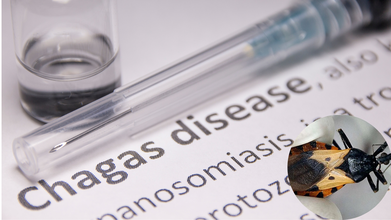
Chagas disease, also known as American trypanosomiasis, is a illness caused by the parasite Trypanosoma cruzi, and is primarily transmitted by triatomine insect vectors.
It gets spread through
- oral transmission,
- blood transfusion,
- mother-to-child.
- through transplants of some organs (such as heart or kidney)
- through laboratory accidents.
If left untreated, one third of infected people—including women and the children they carry—will develop life-altering heart, digestive, and even neurological conditions, and may even become fatal.
Once endemic to 21 countries in Latin America, the disease has now spread globally due to migration. It is now a global health concern with cases found in 44 countries including the US, Canada, Europe, Australia, and Japan.
World Chagas Disease Day 2026: Theme
World Chagas Disease Day was celebrated for the first time in 2020.
The theme this year is “Women at the heart of care, protecting the next generation” and underscores the key role women play in family and community caregiving, as well as their greater interaction with health services, particularly during pregnancy.
Chagas Disease: Role Of Women
According to the World Health Organization (WHO), about 2 million women aged 15-44 years are living with Trypanosoma cruzi infection worldwide.
Congenital transmission or mother-to-child transmission remains a major challenge, occurring in about 3–5 percent of pregnancies. However, it also provides a key opportunity for effective intervention.
The transmission cycle of the disease can be effectively broken by
- Treating infected girls and women before pregnancy
- Strengthening screening in maternal and child health services
- Eaccess to diagnosis and treatment.
- Newborn screening can help diagnose and treat, with a cure rate exceeding 90 percent.
- Increase awareness at community and family levels.
- Avoid foodborne transmission
“On the contrary, it represents a strategic opportunity to strengthen more equitable, accessible, and responsive health systems that recognize and respect women’s needs.”
BBC Host Naga Munchetty Opens Up About Suffering From ‘Evil Twin Sister Of Endometriosis’

Credit: Naga Munchett/ Instagram
The BBC Breakfast host Naga Munchetty has opened up about her experience of suffering from a painful womb condition, known as the "evil twin sister of endometriosis".
The 51-year-old Naga Munchetty explained her condition as adenomyosis, which can cause extreme pain at any time. Munchetty added that she has faced the condition even while presenting her show, The Independent reported.
Naga Munchetty said that adenomyosis has caused her severe pain since she was in her teens, and she has “become conditioned to accept” it.
“If you’re curled up on the floor screaming, sweating, flooding, passing out, vomiting, that is debilitating. But you end up normalizing that pain.”
What Is Adenomyosis
Adenomyosis is an extremely painful condition, which affects the womb and causes the uterus to enlarge. Although it affects an estimated one in 10 women, it remains undiagnosed in most women.
It is a lesser-known but significantly debilitating gynecological disorder that is commonly mistaken for endometriosis.
Adenomyosis leads to debilitating symptoms such as
- intense pain
- heavy menstrual bleeding,
- cramps,
- abdominal bloating
- fertility issues.
Differences Between Endometriosis And Adenomyosis
Adenomyosis occurs when endometrial cells—typically restricted to the lining of the uterus—break through the myometrium, the muscular wall of the uterus.
Endometriosis, on the other hand, happens when tissue similar to the lining of the uterus grows outside the uterus. These tissues commonly develop on the ovaries, fallopian tubes, or the pelvic lining.
In contrast, adenomyosis is inside the uterus but produces serious complications. These out-of-place endometrial cells continue to act as they would in a regular menstrual cycle, becoming thick and shedding, which leads to internal bleeding, inflammation, and intense pain.
Adenomyosis: The Condition Without Treatment
Despite going to the doctors several times, Naga Munchetty was not diagnosed until recently, as she was led to believe the pain she was experiencing was “normal”.
No absolute cure for adenomyosis exists except for a hysterectomy, which involves the removal of the uterus. Nevertheless, several treatment options can alleviate symptoms and enhance quality of life. These include:
1. Pain Relief
Ibuprofen and naproxen, over-the-counter pain medications, are usually prescribed to relieve menstrual cramps and pain.
2. Hormonal treatment such as
- Birth control pills
- Hormonal IUD (Intrauterine Device)
- Progesterone therapy
GnRH agonists, such as Lupron, induce temporary menopause by suppressing estrogen production, thereby reducing adenomyosis symptoms. However, these injections can cause severe side effects, including mood swings, hot flashes, and bone density loss, making them unsuitable for long-term use.
4. Surgical Intervention
- Endometrial Ablation: This involves the removal of the uterine lining to manage heavy bleeding, but it is not a permanent solution and is not suitable for women who want to become pregnant.
- Uterine Artery Embolization (UAE): A non-surgical procedure that cuts off the blood supply to the affected areas, reducing the size of the adenomyotic tissue.
- Hysterectomy: The only permanent solution for adenomyosis, a hysterectomy is usually considered as a last option for women who have finished their childbearing years.
- Follow Us :


© 2024 Bennett, Coleman & Company Limited