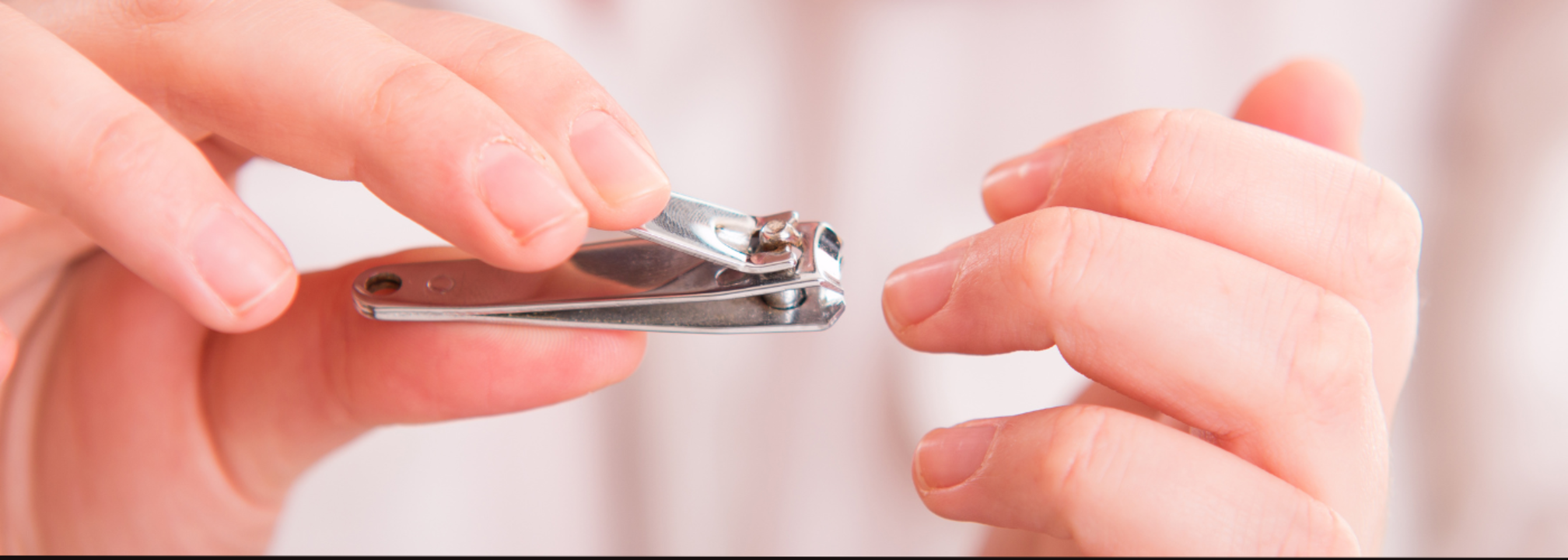
Fingernails are more than just a part of our appearance; they can also harbor a surprising number of microorganisms. A study published in the Journal of American Podiatric Medical Association revealed that fingernails can host 32 different species of bacteria and 28 species of fungi. Alarmingly, about 50% of these organisms are solely bacterial, while 6.3% are solely fungal. The remaining 43.7% consist of mixed communities of bacteria and fungi. This highlights the importance of maintaining nail hygiene to prevent potential infections and promote overall nail health.Importance Of Nail HygieneThe presence of bacteria and fungi under the nails can lead to various health issues, including infections and nail disorders. Regularly cleaning and caring for your nails can help minimize the risk of these problems. It's essential to understand that nails can trap dirt, food particles, and microorganisms, making them breeding grounds for harmful agents if not properly maintained. Nutritional Support for Healthy NailsA well-balanced diet plays a crucial role in keeping nails healthy and strong. Key nutrients that support nail health include:- Biotin: This B vitamin is known for its role in strengthening nails and preventing brittleness. Foods rich in biotin include eggs, nuts, and whole grains. Biotin supplements are also widely available for those who may not get enough from their diet.- Vitamins A, B, D, and E: These vitamins contribute to overall nail health. Vitamin A is essential for cell growth, while vitamins D and E help maintain nail moisture and integrity. Leafy greens, carrots, and dairy products are excellent sources.- Minerals: Iron and zinc are vital for healthy nail growth. A deficiency in these minerals can lead to brittle nails and other nail disorders. Incorporate foods like red meat, legumes, nuts, and seeds into your diet to ensure adequate intake.Hydration and Moisture MaintenanceDrinking enough water is critical for maintaining nail moisture. Dehydration can lead to brittle nails that are more prone to breaking and splitting. Aim for at least eight glasses of water a day, adjusting based on activity level and climate. Additionally, consider using moisturizing creams on your hands and nails, especially after washing them or using hand sanitizers, which can dry out the skin and nails.Proper Nail Care TechniquesCaring for your nails involves more than just keeping them clean. Here are some best practices for proper nail care:1. Regular Trimming: Keep your nails trimmed to a manageable length to prevent snags and breaks. Use a gentle nail clipper or scissors and avoid cutting too close to the skin or trimming the cuticles, as this can lead to painful hangnails or infections.2. Gentle Cleaning: Clean your nails regularly with soap and water, and consider using a soft brush to scrub underneath the nails gently. Make sure to dry your hands thoroughly afterward to prevent moisture buildup.3. Protective Measures: When using cleaning chemicals or doing heavy-duty tasks, consider wearing gloves to protect your nails and skin from harsh substances. This is especially important for maintaining both nail and skin health.4. Avoiding Nail Biting: Nail-biting not only damages your nails but can also introduce bacteria into your mouth, increasing the risk of infections. If you struggle with this habit, consider strategies like keeping your nails trimmed short or using bitter-tasting nail polish.