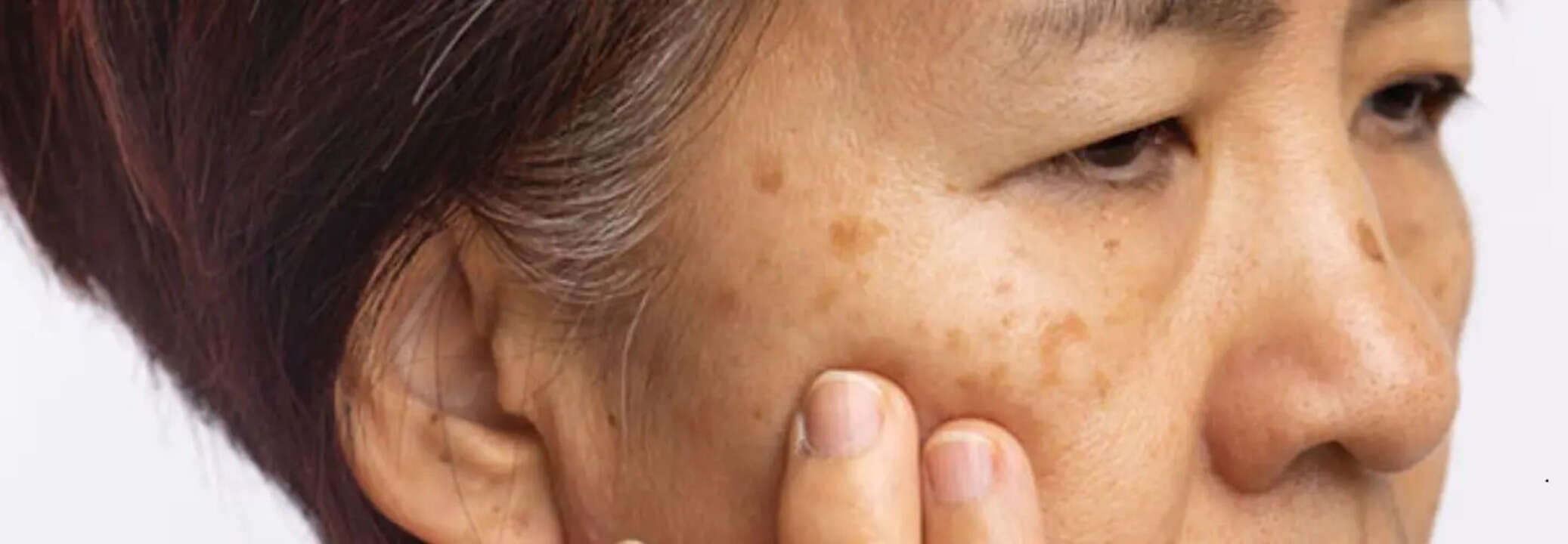
Melasma is a skin condition that causes patches that have a shade darker than your usual skin colour. It sometimes disappears on its own when it doesn't here are various treatments like topical steroids, chemical peels and dermabrasion that may help. Although melasma is often referred to as chloasma or the "mask of pregnancy," it is not exclusively linked to pregnancy. Interestingly, around 90% of those affected by melasma are women, while the remaining 10% are men.What are the symptoms of Melasma? Dark Patches: Areas of skin discolouration that are darker than your usual skin color.Facial Symmetry: Patches are typically symmetrical, appearing on both sides of the face.Common locations where they occur include: the bridge of the nose, Chin, Cheeks, Forehead and other areas like the neck and forearms.No Physical Harm: While melasma doesn’t cause physical harm, it may lead to self-consciousness about its appearance.Causes of MelasmaIt is unclear what causes melasma in women but several research has proven that darker-skinned individuals are more at risk of fair skin. Estrogen and progesterone sensitivity are also associated with the condition. This means birth control pills, pregnancy, and hormone therapy can all trigger melasma. Stress and thyroid disease are also thought to be causes of melasma.Additionally, sun exposure can cause melasma because ultraviolet rays affect the cells that control pigment (melanocytes).Melasma can sometimes resolve on its own, particularly when it is related to pregnancy or the use of birth control pills. However, for persistent cases, various treatments are available:Prescription Creams: Healthcare professionals may prescribe topical creams that can help lighten the skin.Topical Steroids: These may be used alongside creams to further lighten affected areas.Chemical Peels: These treatments remove the top layers of skin to reduce dark patches.Dermabrasion and Microdermabrasion: These procedures also work by exfoliating the skin to help lighten discolouration.It is important to note that these treatments do not guarantee that melasma will not return. Some cases may not be completely lightened. To manage melasma and reduce the risk of recurrence, follow-up visits and consistent skin care practices are essential. Key practices include minimizing sun exposure and applying sunscreen daily.