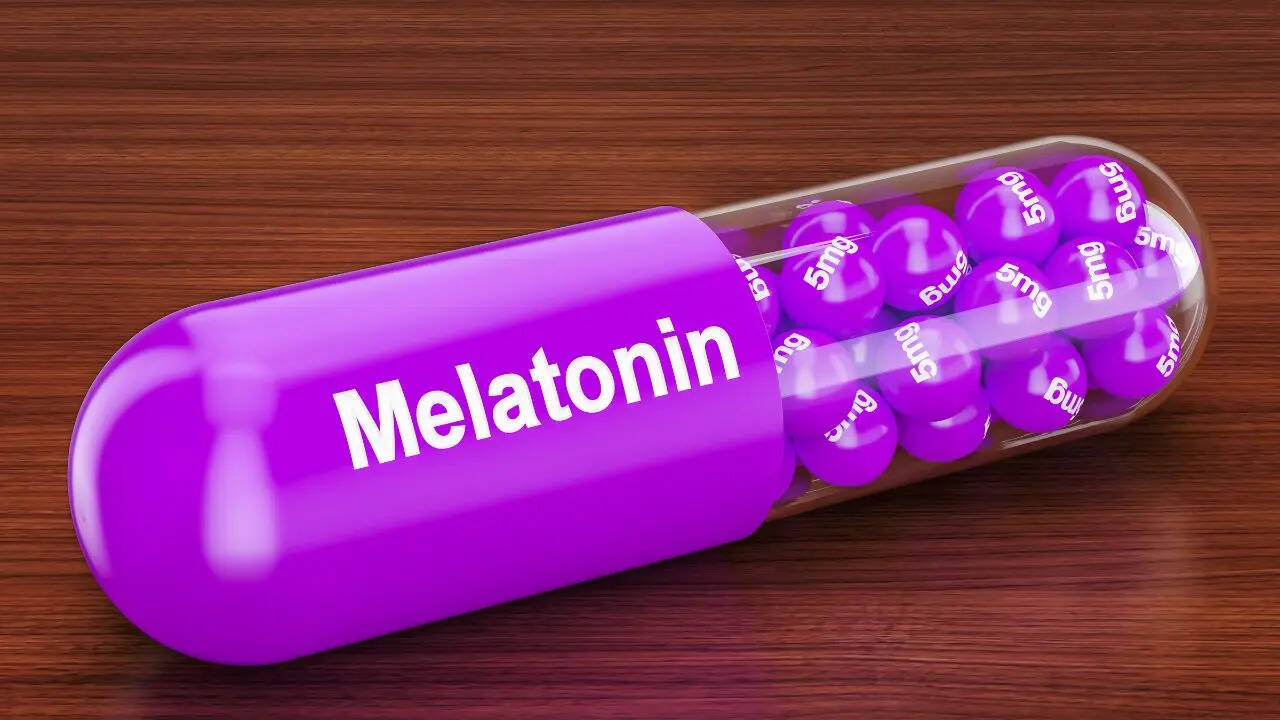
Melatonin has become one of the most widely used sleep aids in recent years. Many people rely on it to manage jet lag, night-shift sleep cycles, or occasional insomnia. Surveys show that a large share of adults have tried melatonin at some point, often assuming it is completely harmless because it is available over the counter. In most cases, short-term use is safe, but a growing number of emergency calls and medical reports show that misuse and high doses can cause real problems, especially when taken without guidance.We got in touch with Dr Lohit Kumbar, Endocrinologist at SDM College of Medical Sciences and Hospital in Dharwad, who explained how melatonin overuse affects the body, the long-term concerns linked to prolonged use, and the safest way to take it.How Melatonin Overdose Affect the Body?Melatonin is produced naturally by the pineal gland at night. It plays a central role in sleep regulation, but it also influences blood pressure, body temperature, and the body’s antioxidant activity. Dr Kumbar told us, supplements mimic this natural hormone and are often used for insomnia and several neurological or developmental conditions, including Alzheimer’s disease, autism spectrum disorder, and mild cognitive impairment. Because it supports these functions, many assume that more melatonin means better sleep, which is not true.Dr Kumbar notes that even though melatonin is generally safe, high doses can cause immediate discomfort. The most common signs of excess intake include daytime sleepiness, headache, dizziness, nausea, and sleep disturbances. These symptoms usually appear when the dose goes beyond 10 mg per day, which is far above what most people need. In a few rare situations, more serious reactions have been reported. These include autoimmune hepatitis, confusion, optic neuropathy, psychotic episodes, seizures, and unusual skin eruptions. Such cases are linked to a wide range of doses, from as little as 1 mg to as high as 36 mg, suggesting that individual sensitivity varies.Melatonin Long-Term Risks You Should Know AboutWhile overdose symptoms appear quickly, long-term risks build up slowly. Prolonged melatonin use, especially over six months or more, may affect reproductive hormones. According to Dr Kumbar, this can lead to reproductive dysfunction, delayed puberty in younger users, and concerns about fetal development if the supplement is taken during pregnancy. These risks are not yet fully understood, largely because long-term data is limited, but the existing evidence is strong enough for doctors to urge caution.Pregnant and breastfeeding women, in particular, are advised to avoid melatonin unless a doctor specifically recommends it. Children and adolescents should also use it only under strict medical guidance.How to Use Melatonin SafelySafe use begins with sticking to the lowest effective dose. Dr Kumbar recommends keeping daily intake at or below 5 to 6 mg. Most adults respond well to even smaller amounts, and higher doses do not improve sleep quality. If melatonin becomes a regular part of your routine, medical supervision is important. A doctor can help determine the right dosage, ensure there are no interactions with other medicines, and monitor any side effects.Melatonin can be helpful when used responsibly, but it is not a cure-all for sleep problems. Understanding the risks of overuse ensures you protect your long-term health while still getting the rest you need.