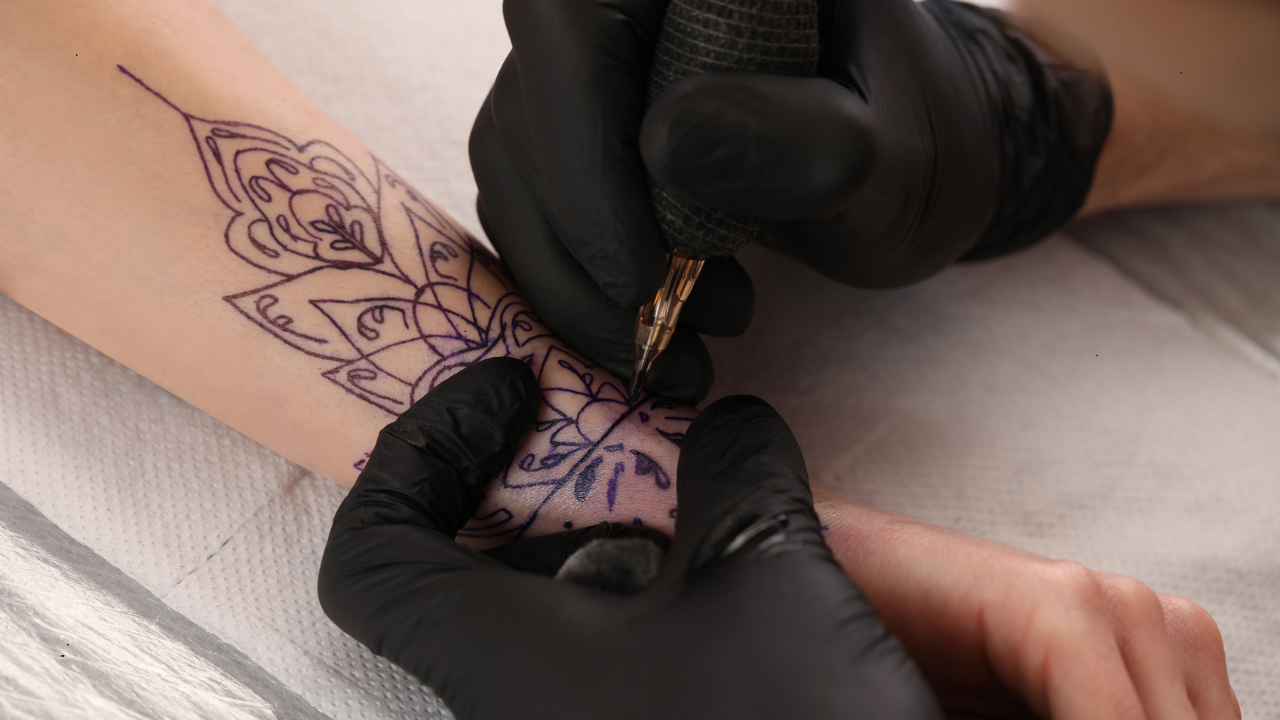
Tattoos have long raised health concerns. While they are generally safe when done under proper hygienic conditions, they still pose risks related to safety, the introduction of foreign substances into the body, and potential long-term effects, including cancer. However, contrary to previously known health risks, a study has claimed that tattoos can actually prevent the risk of the deadliest form of skin cancer – melanoma. The findings led by researchers from the Huntsman Cancer Institute at the University of Utah in the US showed that having two or more tattoo sessions decreased the risk of both invasive and in situ melanoma. In situ melanoma means the cancer cells remain on the skin’s surface and are more easily removed. “We see people with two, three, and four tattoo sessions having decreasing risk, and that’s a stronger pattern than the increased risk with just one session,” said Jennifer Doherty, a researcher at Huntsman Cancer Institute. But “this isn’t a black and white case of ‘get more tattoos, and you could lower your risk of melanoma,’” said Rachel McCarty, post-doctoral scientist at the International Agency for Research on Cancer. Also read: Shocking! Man Gets A Tattoo On His Neck; Months Later, Flesh Turns Black And Rots AwayHow Tattoos Can Prevent MelanomaThe researchers noted that the beneficial effects may be because people with several tattoos are more cautious with sun safety and take better care of their skin. Tattoos could also form a physical barrier that blocks ultraviolet radiation or cause an immune response against precancerous cells, the researchers explained in the paper. McCarty said those with tattoos should continue making informed decisions about skin protection. “Tattoo artists already advise their clients to wear sunscreen and sun protection to prevent tattoos from fading,” McCarty said. “We know wearing sunscreen is an important safety step for everyone, even without tattoos. But it’s also important for those with tattoos to take extra precautions to prevent any additional harmful components from forming in the skin when pigments break down from UV exposure.” The researchers have called for more studies to understand the beneficial effects of tattoos.An earlier project from Doherty’s team and a Swedish study both suggest that tattooing could be connected to an increased risk of certain blood cancers. The study also indicated a greater cancer risk for those with larger tattoos.What Is Melanoma?Melanoma is a serious type of skin cancer that develops in melanocytes, the cells responsible for producing melanin, the pigment that gives skin its color. While it can occur anywhere on the skin, it often develops on areas exposed to the sun, such as the face, arms, back, and legs. Melanoma can also appear in less-exposed areas, like the soles of the feet, palms, or under the nails, particularly in individuals with darker skin tones. Although rare, melanoma may develop in the eyes, mouth, or internal organs.The condition can be life-threatening if it spreads to other parts of the body, but early detection significantly increases the chances of successful treatment. It is often linked to excessive ultraviolet (UV) radiation from the sun or tanning beds, though genetic predisposition and family history also play roles.Symptoms Of MelanomaThe primary sign of melanoma is a new or changing mole, freckle, or skin lesion. The "ABCDE rule" helps identify suspicious moles:Asymmetry: One half does not match the other.Border: Irregular or scalloped edges.Color: Multiple shades or unusual colors like red, white, or blue.Diameter: Larger than 6 mm (about the size of a pencil eraser).Evolving: Changes in size, shape, or color.Additional symptoms may include itching, bleeding, or a sore that doesn’t heal. Prompt medical attention is essential for suspicious skin changes.