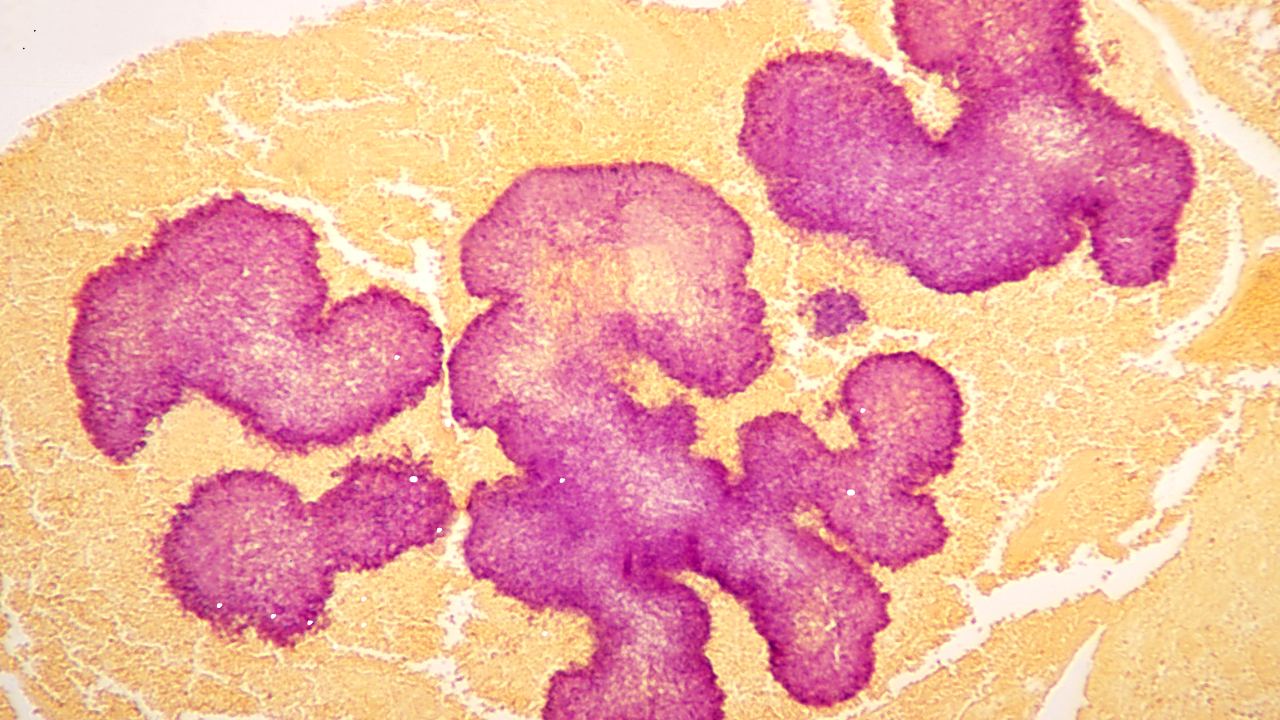
A simple strep throat infection, can trigger sudden skin inflammation, leading to psoriasis, particularly in children and young adults, according to a study. Researchers from the Karolinska Institutet in Sweden showed that a strep throat infection caused by the Group A Streptococcus (GAS) bacterium, can trigger guttate psoriasis by altering the behavior of key immune cells. Guttate psoriasis is an often sudden-onset form of psoriasis with small, red, "drop-shaped" scaling spots on arms and legs. While neutrophils -- the most common type of immune cell -- are the first immune cells to respond to GAS infection, the study showed that during a streptococcal infection, the immune cells behavior changes depending on their environment.Notably, among people with guttate psoriasis, the neutrophils presented with antigens -- fragments of pathogens that signal and guide other immune cells -- get accumulated. Once accumulated, the immune cells activated the T cells, leading to inflammation, explained the researchers in the paper, published in the journal eBioMedicine. "Doctors have long known that strep throat can precede guttate psoriasis, but the biological explanation has been unclear," said Avinash Padhi, first author of the study and Research Specialist at the Division of Dermatology and Venereology, at Karolinska. "Our findings suggest a link between infection and skin inflammation through the accumulation of antigen-presenting neutrophils in patients' skin," Padhi added.How Cells Shape Immune ResponseThe team analyzed receptor–ligand interactions -- the molecular signals cells use to coordinate immune responses to examine how neutrophils interact with other cells.Magdalini Lourda, senior author of the study and senior research specialist at the Department of Laboratory Medicine, noted that the "results challenge the traditional view of neutrophils as simple first-line defenders".The findings show that the neutrophils play "a wider role in shaping immune responses, which may be important when designing future treatments." How Was The Study conducted?Using single-cell technologies, the team analyzed blood and skin samples of patients with guttate psoriasis. This enabled the researchers to examine thousands of individual immune cells in detail. To find how neutrophils work in psoriasis, the blood neutrophils from psoriasis patients were compared with those from healthy individuals. Blood neutrophils from patients with severe strep-related lung inflammation were also compared.What Is Guttate Psoriasis? Guttate psoriasis is a distinct form of acute-onset psoriasis. It is an inflammatory skin disease characterized by the sudden appearance of red, scaly, and smaller skin lesions widespread over the body. The condition typically follows an infection, most commonly tonsillitis caused by Group A Streptococcus (GAS). Adolescents and young adults are the most affected. It accounts for about 2 per cent of all cases of psoriasis.Genetics, environmental triggers, such as an upper respiratory tract infection, and the onset of an inflammatory condition in a distant organ are the major risk factors.The condition may be diagnosed by skin biopsy, throat swab culture, and blood tests.