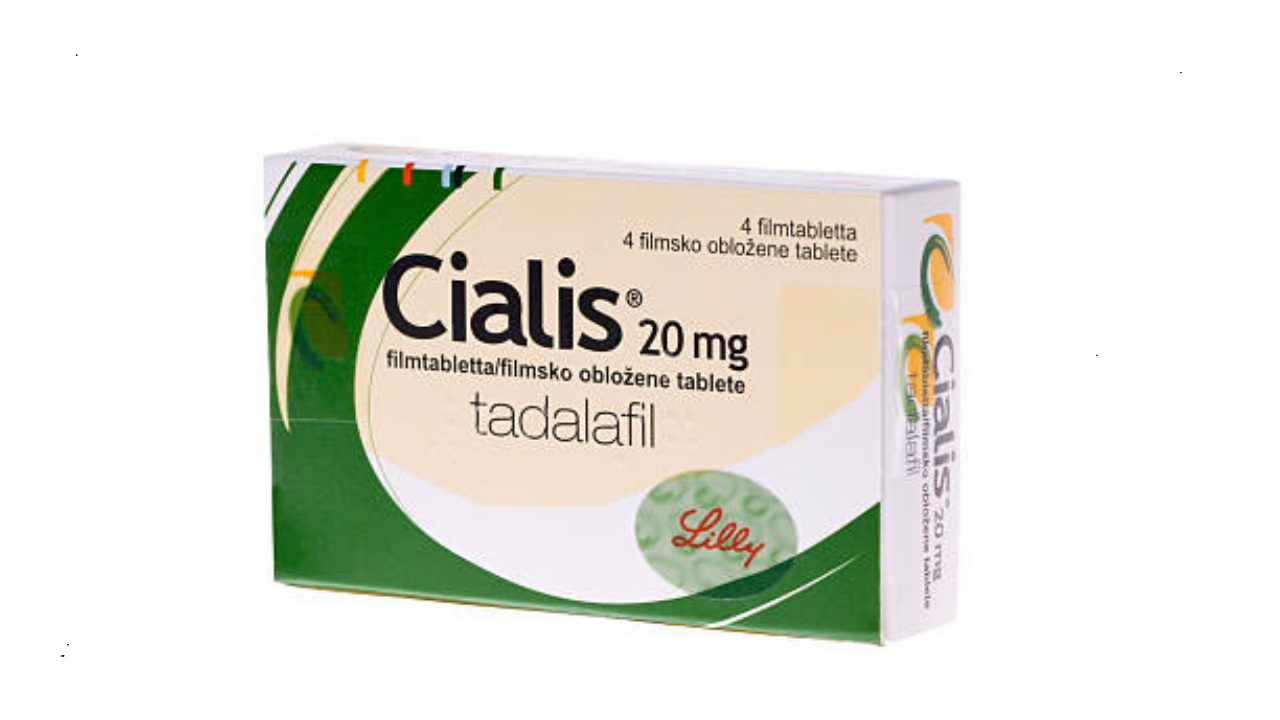
Tadalafil, a widely used drug for erectile dysfunction and enlarged prostate symptoms, may increase the risk of glaucoma, the leading cause of blindness, in men with lower urinary tract symptoms (LUTS), according to a new study.Although the study identified a significant association, the researchers emphasized that it was observational and does not prove that tadalafil directly causes glaucoma.However, they suggested that men taking tadalafil long-term for LUTS may benefit from regular eye examinations, particularly those with existing glaucoma risk factors such as a family history of the disease or ocular hypertension.What the Study FoundResearchers from the National Taiwan University Hospital in Taipei, Taiwan, found that men taking tadalafil for LUTS were:22% more likely to develop glaucoma.33% more likely to develop primary open-angle glaucoma, the most common form of the disease.32% more likely to develop ocular hypertension (high pressure inside the eye).33% more likely to begin glaucoma treatment.The findings were published in the British Journal of Ophthalmology.Also read: Israeli Scientists Find Surprising New Benefit of Viagra: It May Help Stop Cancer Spread How the Study Was ConductedThe researchers analyzed health data from 73,854 men aged 40 years and older with a history of lower urinary tract symptoms.Half of the participants had been prescribed tadalafil or another phosphodiesterase type 5 inhibitor (PDE5i) for up to five years, while the remaining participants received other treatments. The increased glaucoma risk remained consistent, particularly among men aged over 50 years.Tadalafil: How It Works?Tadalafil works by relaxing smooth muscles and improving blood flow. Besides treating erectile dysfunction, it is also prescribed to relieve urinary symptoms caused by an enlarged prostate, such as frequent urination and urgency.Previous studies have linked PDE5 inhibitors to several eye-related side effects, and the new findings add to concerns about their long-term effects on eye health."Tadalafil use for lower urinary tract symptoms was associated with a significant increase in the risk of glaucoma, ocular hypertension, primary open-angle glaucoma and initiation of glaucoma treatment in a large, multinational, real-world cohort," the researchers concluded.Read More: GLP-1 Drugs Like Mounjaro, Ozempic Linked To 82 Deaths In UK, 162 In USWhat Is Lower Urinary Tract SymptomsLower urinary tract symptoms (LUTS) are common urinary problems that affect the storage or passage of urine. They are particularly common in elderly men and are often linked to conditions such as an enlarged prostate, an overactive bladder or problems affecting the body's fluid balance.Common symptoms include:A weak or slow urine streamDifficulty starting urinationA sudden, urgent need to urinateFrequent urination, especially at nightFeeling that the bladder has not emptied completelWhat is Glaucoma?Glaucoma is a group of eye diseases that can damage the optic nerve, potentially leading to irreversible vision loss and even blindness if left untreated. It is a chronic disease that affects an estimated 80 million individuals globally, according to the World Glaucoma Association. A major challenge with glaucoma is its lack of symptoms in the initial stages. As a result, the condition is often diagnosed at an advanced stage, where treatment yields the least results. More than 75 percent of glaucoma cases globally remain undiagnosed. When to see a doctor for glaucoma: Vision suddenly gets blurry Severe eye pain Headache Nausea Vomiting Rainbow-colored rings or halos around lights.