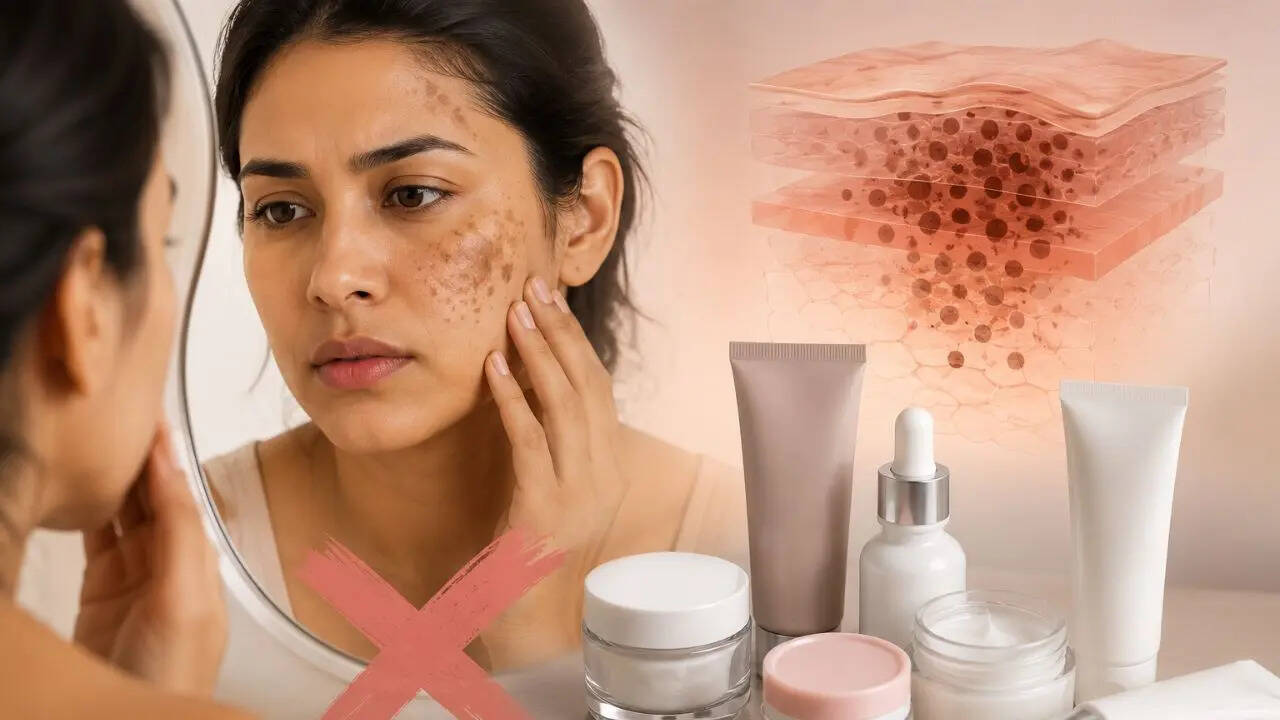
For decades, melasma treatment began and ended with a tube of cream. The typical first treatment for those stubborn brown-grey patches on the forehead, upper lip and cheeks that are typically caused by sun exposure, hormones or pregnancy was once hydroquinone, retinoid and steroid combinations. Patients would put some cream on for months, and get some improvement, and then when they stopped, the pigmentation would reappear. Today, these creams have still got a role but dermatology has come a long way and now, patients have so much more to work with, acting on the melasma from different angles at the same time. The New Generation Of Topical Ingredients There are more choices available within the realm of creams. Gentler brightening agents like thiamidol and 2-MNG have been developed to do the same job as hydroquinone, but they do it in a different way in the body. Initial studies indicate that these ingredients can be as effective as older favourites, irritating less than older ingredients that are already doing their job of irritating sensitive skin prone to developing melasma in the first place. Another compound, malassezin, has shown promising early results in that it has been found to inhibit the process of pigment production itself. Due to the chronic and relapsing nature of melasma, dermatologists are more inclined to use these less aggressive, but more tolerated long term maintenance treatments as opposed to short term treatments alone.Also read: Secret To Glowing Skin: How Face Acids Can Revolutionize Your Skincare RoutineLaser & Light-Based Therapies The most obvious change in how the skin is treated for melasma is the way of lasers and light-based treatments. A side advantage of the low-fluence picosecond lasers is that they break up excess pigment with very short, gentle energy pulses, meaning that there's less skin damage as a side effect, which is a drawback of older, more aggressive laser settings. Fractional lasers are now also employed in conjunction with topical treatments to enhance drug delivery into the skin, essentially combining the two treatments. They are regarded as non-invasive technologies since they do not involve any incisions or extended downtime and most patients are able to return to their pre surgery routine within a day or two. Newer-Generation Peels Chemical Peels are also available in a re-optimized formulation for the skin that tends to melasma. Newer types of combination peels use lesser amounts of various active ingredients and less of a single strong acid, reducing the chances for additional pigmentation, which is a common worry in dark skin tones. They are now more frequently prescribed with topicals and lasers as part of a multi-pronged approach, rather than as a treatment on their own, as they are done in a series of milder sessions.Also read: Scientists Find Rare Contagious Skin Cancer In Fish From US, Canada: Should Humans Worry?Microneedling & Regenerative Approaches Are The Two Options To Consider The technology of microneedling has also come a long way. This once again basic but now formulated with serums and even exosome-based formulations is an area that calms inflammation and helps to regulate the pigments of the skin as it recovers. This "angle" is called "regenerative" because newer treatments aren't just intended to lighten or fade existing skin melanin, but seek to address the skin's environment that is causing melasma to reappear. Both Oral & Systemic Options Are Available Non-invasive is more than just procedures performed in the clinic. In recent years, low doses of tranexamic acid taken orally under medical supervision has been added to the melasma tool box. It is internally active, in that it slows blood flow in the blood vessels, which is now known to help trigger the production of pigment in the skin, and is therefore a valuable addition to the treatment of melasma, particularly when other topical treatments are not effective. Also read: Could Skin Changes Signal More Than Just Pregnancy Glow? Expert Shares What Every Mom-to-Be Needs To KnowWhy Combination Care Is the New Standard? There's one thing that sets the tone for the ever-changing landscape of melasma treatment: there's no single answer. It is now known that melasma is a real multi-faceted skin problem that is influenced by multiple factors such as genetics, hormones, sun exposure, heat and inflammation. Many dermatologists prefer to use a multi-layered approach to skin care for treatment, such as a topical therapy, an in-office procedure and, if applicable, oral skin care therapy, depending on the skin type and pigmentation of the patient. That's not only for quicker results, it also helps to reduce the likelihood of the skin darkening more after treatment, which is more common in patients with darker skin tones. Today, instead of a one-and-done, dermatologists are more apt to craft a gradual approach that involves calming active pigmentation, then moving to a maintenance regimen that is lighter to avoid pigment re-flash. “As it is a multi-factorial disease, using any one modality is always going to be limited and a multi-modal approach that combines topical, procedural and sometimes systemic treatment, is what is helping us achieve more lasting results and reduced relapse rates,” says Dr. Ajay Rana. What Hasn't Changed Despite such innovation, one thing is true: sun protection is a must. If they're going to hold up, it's going to be because of the broad-spectrum sunscreen and the consistent application of it, along with physical protection such as sun hats. If not, the most sophisticated of the procedures will eventually be replaced by renewed pigmentation. Patient Advisory: Key Points To Consider Although it's a challenging condition to treat, melasma is not a quick fix. However, today there are more ways for patients to visibly improve, and even more of them are not invasive, and have less side effects than five years ago. If you've used a cream before and stopped using it, it might be worth talking to a dermatologist again; the treatment options are quite different now.