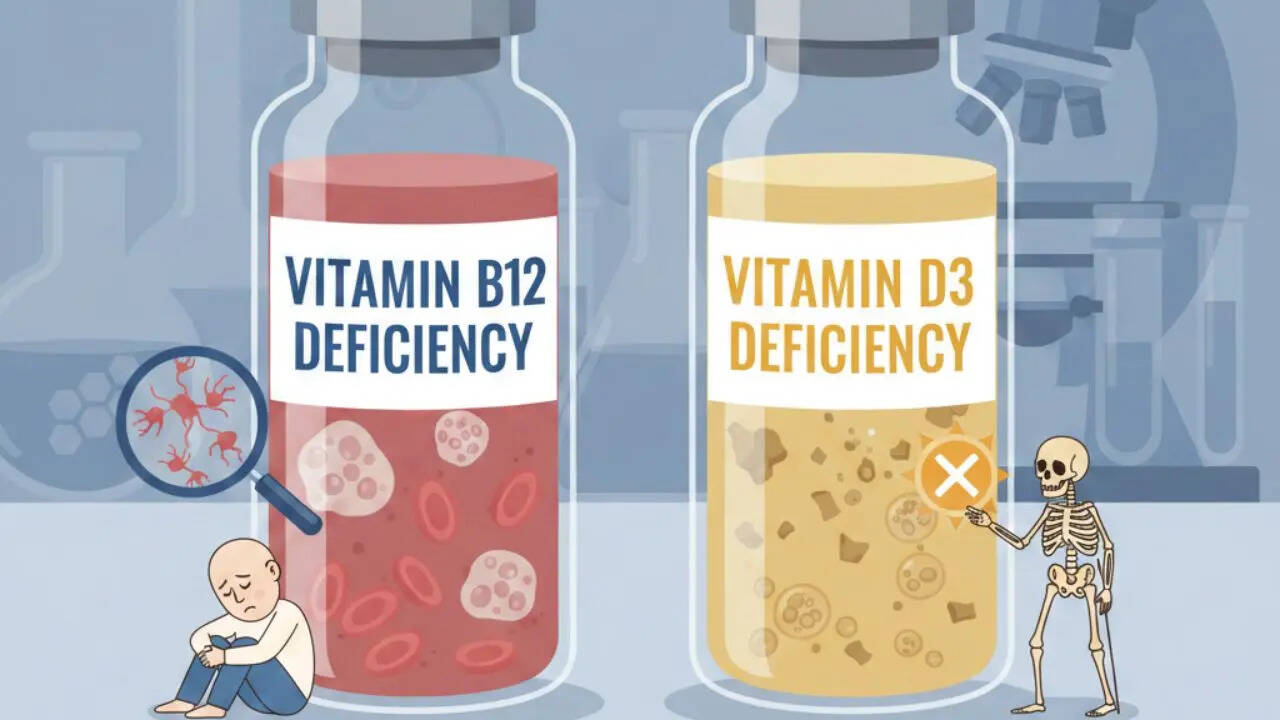
Vitamin deficiencies are often brushed aside as minor nutritional gaps. Many people assume they can be fixed later or ignored until something feels seriously wrong. According to Dr Prabhat Ranjan Sinha, Senior Consultant, Internal Medicine at Aakash Healthcare, this casual attitude can be risky, especially when it comes to Vitamin D3 and Vitamin B12. Both nutrients play a central role in bone strength, nerve function, immunity, and energy levels. When their levels drop, the damage may build quietly and surface only when daily life starts to feel difficult.Vitamin D3 and Vitamin B12 are essential for overall wellbeing. Their deficiency may not cause obvious symptoms at first, but over time they can affect how the body functions, how often a person falls sick, and how energetic or mentally sharp they feel.Vitamin B12 And D3 Deficiencies: The Sunshine Vitamin And Why It MattersVitamin D3, often called the sunshine vitamin, is produced by the body when skin is exposed to sunlight. Along with calcium, it helps maintain strong bones and reduces the risk of fractures. Low levels of Vitamin D3 can weaken muscles, increase the risk of falls, and raise the chances of bone disorders such as osteoporosis. In children, severe deficiency can lead to rickets, a condition that affects normal bone growth.Dr Sinha explains that Vitamin D3 does more than support bone health. It also plays a key role in immune function. People with low levels may fall sick more often and take longer to recover from infections. Research has also linked deficiency to higher levels of inflammation in the body.Despite living in a country with abundant sunlight, Vitamin D3 deficiency is widespread. Urban lifestyles keep many people indoors for long hours. Regular use of sunscreen, limited outdoor activity, and aging all reduce the body’s ability to produce and absorb this vitamin. Diet alone rarely provides enough Vitamin D3, which is why deficiency remains common even among people who eat well.Vitamin B12 And Its Silent ImpactVitamin B12 is equally important but often overlooked. It is essential for nerve health, brain function, and the production of healthy red blood cells. Unlike some deficiencies that show early warning signs, B12 deficiency tends to develop slowly. Its symptoms are often mistaken for stress, aging, or routine fatigue.Low Vitamin B12 levels can cause weakness, persistent tiredness, tingling or numbness in the hands and feet, memory problems, mood changes, and difficulty concentrating. Over time, untreated deficiency can lead to nerve damage and anemia.Certain groups are at higher risk. Vegetarians and vegans often do not get enough B12 because it is mainly found in animal-based foods. Older adults may struggle to absorb B12 due to reduced stomach acid. People with digestive disorders and those taking long-term acid-reducing medications are also more vulnerable.Why These Deficiencies Are Missed?One of the biggest challenges with Vitamin D3 and B12 deficiencies is that their symptoms overlap with many common health complaints. Ongoing fatigue, joint pain, low mood, or frequent illness are often blamed on work stress, poor sleep, or lifestyle habits. As a result, people delay medical advice until symptoms start interfering with everyday life.Dr Sinha notes that this delay can make recovery slower and complications more likely.Vitamin B12 And D3 Deficiencies Diagnosis And Timely CareSimple blood tests can accurately detect Vitamin D3 and B12 deficiencies. However, many people only get tested once symptoms become severe. Early diagnosis allows for timely treatment, which may include supplements, dietary changes, and lifestyle adjustments under medical guidance.Addressing these deficiencies early is one of the simplest ways to protect long-term health. Adequate sunlight exposure, balanced nutrition, and routine screening can help maintain healthy levels. Taking Vitamin D3 and B12 deficiencies seriously is a small step that can prevent lasting health problems and support healthier aging.