
- Health Conditions A-Z
- Health & Wellness
- Nutrition
- Fitness
- Health News
- Ayurveda
- Videos
- Medicine A-Z
- Parenting
Weekly Health Horoscope For October 13-20, 2024: Concentrate On Developing Good Habits This Week, Zodiacs

Health horoscope
Aries
This week you will see the benefits of keeping a healthy diet. Your attitude, energy level, and concentration will increase if you keep emphasizing on eating good foods. Get moving to improve your wellness even more. This is a perfect week to deepen your healthy living habits, thereby enhancing your general energy and mental clarity.
Taurus
This week’s health calls for your attention. Ignoring little symptoms could cause more serious problems down the road. Your immune system can be somewhat affected, hence you should develop behaviours that support your mental and physical condition. Maintaining your health will depend on you sticking to a healthy diet, getting enough sleep, and including modest activity in your schedule.
Gemini
This week gives you chances to concentrate on your health in a constructive way. If you adjust your diet and exercise, minor diseases or allergies could go away. Your mental serenity and physical well-being will much enhanced if you include better diet options and regular exercise. Take note of spiritual healing techniques; they might help you achieve mental peace.
Cancer
This week your health will still be steady if you keep to a disciplined diet and stay active. Regular yoga or meditation sessions would be quite helpful since they aid in lowering stress and maintaining body equilibrium. Make sure your way of living is balanced to avoid needless strain on your health.
Leo
Your focus on nutrition and meditation techniques helps you to probably keep high energy levels this week. Long stretches of sitting should be avoided since they could cause overeating or health problems connected with a lazy lifestyle. Regular exercises or yoga are among the physical activities you should keep your vitality and stay in excellent health.
Virgo
This week seems to be successful in both physical and psychological spheres. Including consistent yoga and physical activity into your daily schedule will keep you physically and psychologically balanced. Your body and mind will probably feel renewed, which will help you to keep general wellbeing and manage tension.
Libra
While minor health concerns could call for medicine this week, a balanced diet can help you prevent more major difficulties. Give foods high in fiber and proteins top priority, then use moderation in your eating. Including yoga in your regimen will help you achieve mental serenity, therefore benefiting your emotional as well as physical condition.
Scorpio
This week you could have minor allergies or other medical issues, but they will disappear fast. Swimming or cycling are among the physical pursuits that help you stay in shape and lower stress. Schedule leisure-oriented activities including meditation, which will help you to relax and enhance your general wellbeing.
Sagittarius
This week your health is still in good shape; there are no significant problems. Sporting events and other physical pursuits will raise your degree of fitness even more. Yoga or aromatherapy sessions will help you release any tension you might be experiencing, so boosting your mental as well as physical condition.
Capricorn
Maintaining a good body weight and general wellness this week mostly depends on consistent exercise and a balanced diet. You should not overstretch yourself since it could have bad consequences on your health. Pay close attention to the signals your body sends and make sure you are providing it the correct nourishment and care to remain balanced.
Aquarius
This week's priorities are keeping physically active, so your health will benefit from your cheerful attitude. Regular exercise can help you keep your degree of fitness; a positive attitude will improve your general condition. This is a perfect moment to concentrate on developing good habits that will help you stay long-term healthy.
Pisces
This week your emotional and physical health could start to show improvement. Small diseases like allergies, however, could throw off your equilibrium if untreated neglectfully. Emphasize on keeping peace between your body and mind by means of an appropriate diet and stress-reducing exercises like meditation. Maintaining health depends on balance.
Autoimmune Diseases: A Silent Health Crisis Affecting Women | Women's Day Special

Credit: iStock
A staggering 80 percent of women worldwide silently bear the burden of autoimmune diseases, which often manifest as joint pain, hair loss, brain fog, and unexplained weight changes.
These conditions, which often begin with mild symptoms, over time, worsen and develop into chronic illnesses such as Multiple Sclerosis, Lupus, and Rheumatoid Arthritis.
The conditions are challenging to diagnose as symptoms often fluctuate, overlap with other conditions like thyroid disorders or viral infections, and are sometimes affected by gender bias in medicine.
The delayed diagnosis significantly impacts women’s careers and personal lives.
“Approximately 80 percent of patients with autoimmune disorders are women, yet awareness remains low. Diseases such as rheumatoid arthritis, systemic lupus erythematosus, and autoimmune thyroid disease often begin during the most productive years of women’s lives, affecting careers, fertility, heart health, mental health, and overall quality of life,” said Dr. Uma Kumar, Head of Rheumatology at AIIMS, New Delhi, in an interview with HealthandMe.
“Correct diagnosis of autoimmune diseases is frequently delayed, leading to preventable organ damage and disability,” she added.
Autoimmune Diseases Often Speak Softly
There are more than 100 different types of autoimmune diseases. All occur when the immune system mistakenly attacks the body’s own healthy tissues, leading to chronic inflammation and damage to organs, joints, glands, or the nervous system.
Speaking to HealthandMe, Dr. Neeraj Jain, Vice Chairman, Department of Rheumatology at Sir Ganga Ram Hospital, said: “As a rheumatologist, I frequently see women living with persistent symptoms that remain unexplained for years before an autoimmune disease is diagnosed".
Dr. Jain explained that common symptoms include:
- Persistent fatigue
- Joint pain
- Hair loss
- Brain fog
- Unexplained weight changes
- Recurrent inflammation
“Because these symptoms can overlap with stress, hormonal changes, or lifestyle factors, diagnosis is frequently delayed,” Dr. Jain said.
Singer and actress Selena Gomez shared her experience with lupus in 2017.
“I would get fevers, headaches, and fatigue, but I always just kept going. I kind of ignored it, to be honest. … I don’t think I made the right decisions because I didn’t accept it. That’s extremely selfish, and at the same time, really just unnecessary. I’m not really proud of that,” Gomez was quoted as saying to TODAY.
Why Women Are More Affected
While an estimated more than 10 million individuals globally suffer from these disease, women face a fourfold higher risk than men.
The higher prevalence of autoimmune diseases in women is linked to:
- Genetic susceptibility
- Sex hormone influences
- Stress
- Environmental factors such as pollution
A 2020 study by Franklin University in the US found that many autoimmune disorders tend to affect women during periods of high stress, such as pregnancy or hormonal changes.
Research from a 2024 Stanford Medicine study found that inactivation of the X chromosome can trigger autoimmune responses.
Studies have noted the role of estrogen and an overactive immune system in increasing women's susceptibility to autoimmunity.
Environmental factors, including pollution, viruses, and mitochondrial damage, have also recently emerged as reasons driving autoimmune disease rates among women, as per a 2024 study published in the Journal of Clinical Investigation.
Exposure to PM2.5, nitrogen oxides, and ozone has been linked to increased risk of rheumatoid arthritis, particularly for genetically susceptible individuals. Living near busy roads, with constant traffic-related pollution, also correlates with a higher risk.
Why Early Detection Is Important
Early evaluation and timely diagnosis are essential. Appropriate treatment can significantly improve the quality of life and prevent long-term complications.
Persistent or unexplained symptoms should never be ignored, as early medical assessment can make a major difference in outcomes.
Telugu actress Samantha Ruth Prabhu, diagnosed with Myositis in her podcast, recalled subtle early symptoms:
“I remember specifically the year before I was diagnosed… I woke up with this condition. Early signs mimicked overexertion—fatigue during shoots, inability to hold props, and rapid exhaustion. A critical incident during an action sequence led to fainting and a head concussion, forcing me to pause work. I had to take a lot of steroid shots, which really messed up my skin.”
“Autoimmune diseases often speak softly through symptoms, but early listening can change the course of a life,” Dr. Jain said.
Similarly, Tennis star Venus Williams said that she was forced to withdraw from the 2011 U.S. Open after a seven-year struggle with Sjögren's syndrome, which she described as an “invisible” and “miserable” disease.
She suffered from debilitating fatigue, joint pain, numbness, and swelling.
While autoimmune diseases are considered chronic and cannot be cured, some individuals experience remission, where symptoms may lessen or disappear temporarily.
Key medications to treat the host of autoimmune disorders include immunosuppressants, steroids, Nonsteroidal Anti-inflammatory Drugs (NSAIDs), and replacement Therapy.
Beyond medications, adopting lifestyle modifications can also help. Studies have proven that dietary changes such as adopting anti-inflammatory, nutrient-dense diets (e.g., AIP diet) and avoiding processed foods can help autoimmune conditions.
Techniques like yoga and meditation can help manage Stress and boost immune responses. Regular, moderate exercise can also help reduce inflammation and maintain mobility.
Autoimmune Diseases: A Gateway For Comorbidities In Women
The persistent inflammation, immune system dysregulation, and organ stress caused by the disorders often also compound risks for
- Heart diseases like heart attacks, strokes, and atherosclerosis
- Endocrine issues like hypothyroidism, Type 1 diabetes,
- Kidney problems,
- Liver inflammation and scarring,
- Bone loss, including osteoporosis, joint deformities, and fractures
- Mobility, vision, and balance issues
- Recurrent infections
- Brain fog
- Memory problems
- Mental health conditions like depression and anxiety
“Early diagnosis, appropriate treatment, and societal education are key to improving disease outcomes,” Dr. Kumar noted.
“Despite the availability of many effective drugs, there is still an unmet need. We must strengthen gender-sensitive research focused on women’s immune health and build awareness at all levels to address this silent epidemic.”
Why Multiple Sclerosis Increases Emotional Burden Among Women
Credit: iStock
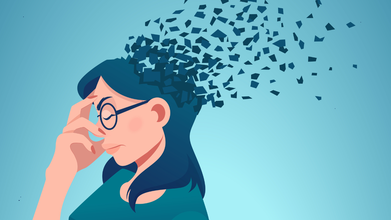
Beyond being a medical challenge, multiple sclerosis (MS), which affects nearly three times as many women as men, raises emotional and physical concerns among women.
MS is a neurological condition that affects cognitive, emotional, motor, sensory, or visual functions. It is also a chronic autoimmune disease that is caused when a person’s immune system attacks their brain and spinal cord.
According to the UK-based MS International Federation, an estimated 2.8 million people live with MS worldwide, with prevalence increasing globally. However, women make up about 75 percent of MS patients globally.
However, women are disproportionately affected. The diagnosis gets more emotionally challenging for women as it often appears during early adulthood -- a key period for women building their careers, relationships, and families.
Estrogen, genetics and a lack of Vitamin D are major reasons for its increased prevalence in women.
Beyond the clinical symptoms, the anxiety, depression, mood changes, and stress, driven by uncertainty about disease progression, impact the daily life of women. Concerns about pregnancy, parenting, work, and long-term independence can further intensify the emotional burden.
“MS is significantly more prevalent in women, often striking during their most pivotal years. For many women, the diagnosis goes beyond a medical challenge; it becomes a profound emotional crossroads centered around family planning. They face daunting questions: Can I safely carry a pregnancy? Is breastfeeding possible? Will I have the physical stamina to care for a child? These are not merely clinical concerns; they are deeply personal anxieties about identity, motherhood, and the future,” Dr. Sudhir Kumar, Sr. Consultant Neurologist, Apollo Hospital, Jubilee Hills, Hyderabad, told HealthandMe.
“Multiple sclerosis is increasingly recognized as a disproportionate neurological burden among women. Globally, women are affected nearly two to three times more often than men, a pattern believed to arise from a complex interaction of immune system behavior, hormonal influences such as estrogen fluctuations, genetic susceptibility, and environmental triggers, including low Vitamin D levels and viral exposures,” added Dr. Manish Gupta, Director – Neurology, Max Super Specialty Hospital, Noida.
Symptoms of multiple sclerosis can be different from person to person. They can come and go or get worse over time. MS can affect any part of the central nervous system.
MS symptoms can worsen with heat or during other infections, such as urinary tract or respiratory infections.
Common symptoms can include:
- vision problems
- difficulty walking or keeping balance
- difficulty thinking clearly
- numbness or weakness, especially in the arms and legs
- muscle stiffness
- depression
- problems with sexual function or urination
- feeling very tired.
“No two patients experience MS in the same way. Symptoms depend on the location of demyelinating lesions in the brain or spinal cord, affecting vision, mobility, cognition, balance, or sensation. This biological variability makes early diagnosis and timely, high-efficacy intervention critical. The goal today is no longer just to manage relapses. It is to limit ongoing subclinical inflammation, prevent silent progression, and delay long-term disability,” Dr. Kumar said.
Why Treating Multiple Sclerosis Is Difficult
MS is an inflammatory condition that results from an autoimmune attack on myelin -- the fatty insulation that surrounds the nerves in the brain and spinal cord.
This disrupts the electrical impulses that are sent through the nerves to the rest of the body and results in scars (plaques or sclerosis).
“Multiple Sclerosis is one of the most complex neurological disorders we encounter in clinical practice, not because it is untreatable, but because it is unpredictable. MS is an immune-mediated disease characterized by inflammation and demyelination — damage to the protective myelin sheath that insulates nerve fibers in the brain and spinal cord. When this insulation is stripped away, nerve signals slow down or become distorted, producing a wide spectrum of symptoms, varying from fatigue, blurred vision, and dizziness to limb weakness, imbalance, or sensory disturbances,” Dr. Subhash Kaul, Consultant Neurologist at KIMS Hospital, Hyderabad, told HealthandMe.
Many of these are invisible, fluctuating, and easily dismissed, both by patients and sometimes even by primary care providers. It is not uncommon for individuals in the early stages of MS to be misdiagnosed.
“This delay in recognising the disease is deeply concerning, because MS strikes people in the prime of their lives — when they are building careers, raising families, and contributing economically. If left untreated, the disease does not remain static; inflammation accumulates silently, relapses leave residual deficits, and disability compounds over time. This is precisely why early and appropriate treatment matters,” said Dr. Kaul.
Yet, experts stated that early diagnosis remains crucial. Regular neurological evaluation for persistent numbness, vision disturbance, or unexplained fatigue allows timely therapy. Disease-modifying treatments, adequate sunlight exposure, physical activity, and stress management help slow progression and preserve long-term neurological function.
“Multiple Sclerosis is not a series of unfortunate episodes; it is a silent, relentless fire. From the moment of onset, MS acts as a chronic, immune-mediated assault on the central nervous system, often causing irreversible damage long before the first visible symptom appears. As one of the leading causes of non-traumatic disability in young adults, we must confront a sobering reality: even when a patient appears clinically stable, “smoldering” inflammation frequently continues beneath the surface, gradually eroding brain volume and neural pathways,” Dr. Kumar said.
“By intervening decisively at the outset, we can suppress smoldering inflammation, preserve long-term neurological function, and give women the confidence to pursue the lives and families they envision,” he added.
Karnataka’s Social Media Ban To Help Children Find Life Beyond Screens

Credit: Canva
Chief Minister Siddaramaiah’s announcement during his presentation of the Karnataka State Budget 2026-27, proposing a ban on social media for children under 16 years of age, has sparked intense interest among parents and professionals alike. As the first state in India to attempt such a sweeping measure, the government has invited us to reflect upon this proposal.
We are in an age where technological advancements have blurred the lines between online and offline worlds, blending them seamlessly. While this is the norm in the world of adults, it has silently reshaped childhood with increased screentime.
Concerns about digital dependency, anxiety disorders in children, and reduced focus in academic and non-academic tasks have already made it to research papers and therapy rooms.
But Karnataka has now shifted the focus from debate to discussion and action. While a ban may reduce certain risks of social media exposure, children’s psychological needs like social connection, belonging, peer group and individual identity, besides guidance, must be nurtured if such protections are to be meaningful.
The Pediatric Perspective: A Medical Minefield
From a psychological perspective, the idea of an age-based social media ban is both promising and complex. On the brighter side, reducing screen usage can help address problems of poor sleep schedules, heightened anxiety, and trouble concentrating in studies or tasks. These problems have become increasingly common among not only adolescents, but very young children too.
However, age alone cannot be used as the single measure of readiness to implement this proposal. Two children of the same age may differ vastly in maturity levels, coping skills, and the ability to use technology responsibly.
The deeper issue is not simply “how much time” children spend online, but “what they do there”. Creative exploration, learning, and connection can be enriching, while endless scrolling reinforces dependency and stress.
A ban can reduce such harmful patterns, but in order to have real impact, such a move should be paired with support for children’s psychological needs to help them combat loneliness, handle peer pressure, and guiding their search for identity. Addressing these issues along with the ban can make the protection well intended, more meaningful and long-lasting.
The Silent Crisis: Nocturnal Anxiety And Doom-scrolling
Late-night scrolling (doom scrolling) is more than just a disruption of sleep. It is a psychological trigger for worry and overthinking. In the quiet of the night, children are left alone with a flood of unfiltered information, which can heighten anxiety, and unwanted exposure to inappropriate content.
An effective way to combat the dangers of unsupervised social media access could be “digital sundowning” i.e. setting clear screen time guidelines for children. Families can create screen-free zones, especially in bedrooms, bathrooms, and at dining tables, or create “phone parking zones” – a specific place in the house to keep all phones so no one is carrying them around all the time. This can encourage children towards healthier routines.
Unlike government-imposed bans, household practices can set healthy and firm boundaries, reinforce self-regulation and reduce the anxiety that comes from constant connectivity and information overload.
Symptoms In The Clinic: Beyond The Screen
In therapy rooms and schools, counsellors are addressing more and more concerns about children and adolescents spending excessive time with their screens. Some of the common ones are highlighted here:
- Social Isolation in Hyper Connectivity: Children may appear socially active online but withdraw from face-to-face interactions, leaving them paradoxically isolated.
- Body Image Concerns: Exposure to curated images on social media can fuel anxiety about appearance among growing children, who are already socially awkward during adolescence. This goes beyond normal teenage insecurity and can spiral into unhealthy self-image or self-criticism.
- Academic Fatigue: Digital content trains the brain to expect constant novelty and quick changes within a short time span of seconds or minutes, which makes textbooks and traditional classroom driven problem-solving feel slow and tiring. This leads to academic fatigue, where children struggle to sustain focus for deeper learning.
- Fear of Missing Out (FOMO): Constant checking of devices reflects a deep-seated need for validation and belonging. FOMO keeps children’s nervous systems on a constant loop of high alert, thus undermining emotional stability.
What Comes Next: The Prioritization Framework
For this ban to have a lasting impact, it needs to draw on psychological principles. Restrictions work best when paired with meaningful alternatives, as children are known to engage positively when they feel supported rather than restricted or scolded. A framework needs to be set up where learning and guidance is prioritized and alternatives offered are strengthened. Some pointers:
Digital Literacy in Schools: Children should be taught not only to limit screen time but also to understand how online platforms work. Lessons on algorithms, advertising, and curated content help them understand and evaluate what they see, so they become more resilient to digital influence.
Parental Guidance Programs: As with other trained behaviors, parents play a central role in shaping healthy digital habits too. Guidance programs can provide resources and strategies for families to showcase balanced device use. When adults demonstrate mindful online usage and behavior, children are likely to follow.
Physical and Social Alternatives: If digital spaces are restricted, offline opportunities must be strengthened. Sports, arts, and community activities help children gain a sense of belonging and enjoyment beyond screens, thus building confidence and social skills in real life.
Collaboration with Tech Companies: Lasting change requires cooperation of technology providers and social media platforms. Stricter age verification systems and design changes at the source are needed, rather than placing usage responsibility on children. By remodeling platforms, risk of unsupervised penetration of digital content can be mitigated so children may still be allowed safe, and age appropriate engagement on social media.
As Karnataka moves into this new territory, one thing is certain – the intention is noble. However, the execution of such a ban will require a fine balance of protection and empowerment, as it attempts to re-imagine childhood experiences in an age where the “virtual” and the “real” are meshed together. Whether this becomes a guiding model for the rest of the country, will depend entirely on how thoughtfully it is carried out.
Karnataka’s proposed ban is a bold first step, but its true impact will depend on how parents, teachers, and policymakers align on this, because healthy childhoods thrive not on restrictions, but through resilience, support, guidance, and strong offline connections that nurture growth and belonging.
- Follow Us :


© 2024 Bennett, Coleman & Company Limited