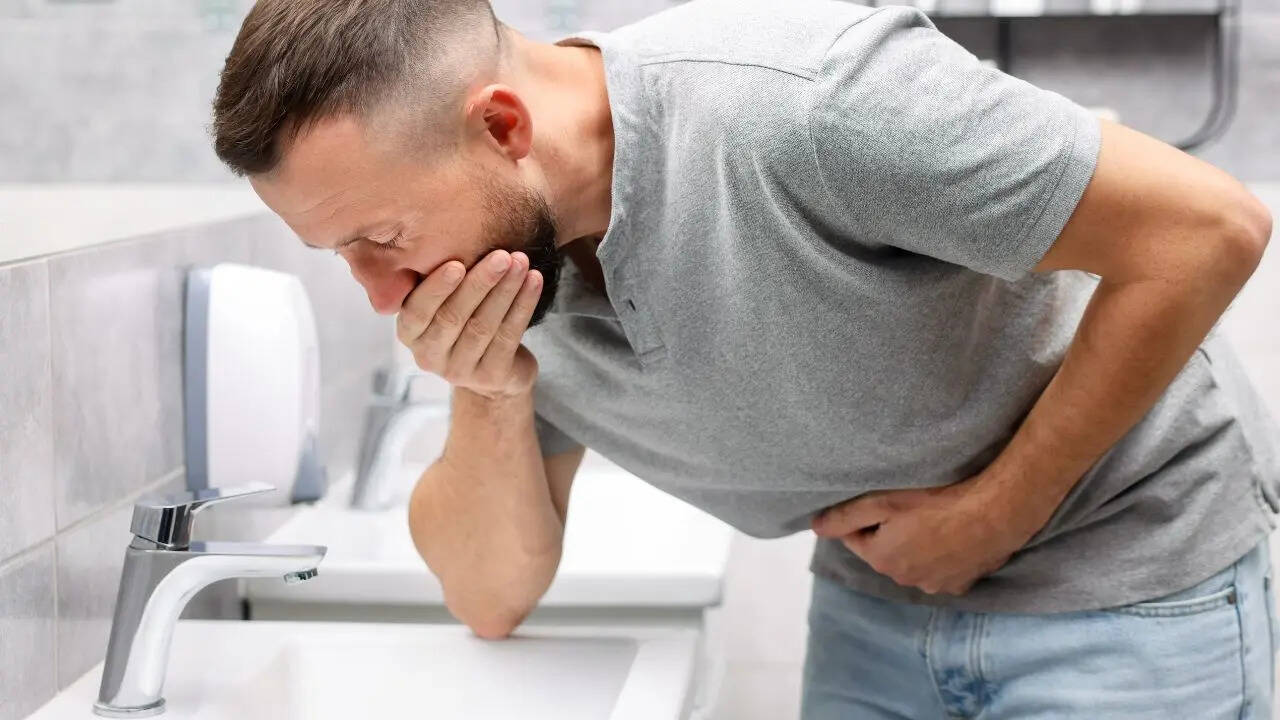
Norovirus, often called the “stomach flu” or “winter vomiting illness,” is currently circulating in California and across the United States. Health experts say proper cleaning and disinfecting can slow its spread. These precautions matter because norovirus is extremely contagious and there is no specific treatment for it, according to the Centers for Disease Control and Prevention.Between August 1 and November 13, health officials recorded 153 norovirus outbreaks across 14 states. The CDC defines an outbreak as two or more similar illnesses linked to suspected or lab-confirmed norovirus cases. Although California is not among the states reporting outbreaks, CDC data shows a noticeable rise in positive norovirus tests throughout November across the western US.What Is Norovirus?Norovirus is described as a “highly contagious” virus that causes vomiting, diarrhea, and stomach cramps, according to the California Department of Public Health. It leads to acute gastroenteritis, which means inflammation of the stomach or intestines, and affects people of all ages, the CDC said.Despite its nickname, norovirus has nothing to do with influenza. The flu is caused by the influenza virus, not norovirus, the agency clarified.Winter Vomiting Disease: How Does The Stomach Bug Spread?Norovirus spreads easily from person to person, especially while someone is actively sick, according to the California Department of Public Health. Symptoms usually last one to three days, but a person can still spread the virus for up to two days after they start feeling better.The virus is present in vomit and stool and can spray into the air or settle on nearby surfaces. It can survive for weeks on uncleaned items such as countertops, phones, and doorknobs, the department said.“You can get sick after touching or caring for someone who is sick, or after touching or eating something that is contaminated,” the department noted.Norovirus spreads quickly in crowded or enclosed settings, including schools, child care facilities, hospitals, nursing homes, jails, and cruise ships.According to state and federal health officials, the most common ways people catch norovirus include:Touching, caring for, or sharing food with someone who has norovirusEating or drinking contaminated food or beverages, including undercooked shellfish like oystersTouching a contaminated surface and then touching your mouth before washing your handsSharing a toilet or bathroom with someone who is sickSwallowing contaminated water, including water from swimming pools or recreational areasCleaning up vomit or diarrhea without protective gear, such as gloves or a face mask“Anyone can get norovirus, even if they’ve had it before,” the California Department of Public Health said.Do You Need To Disinfect After Norovirus?“If you or someone in your household has norovirus, it’s important to clean and disinfect areas where vomiting or diarrhea occurred,” the California Department of Public Health advised. Cleaning with soap and water removes germs, while disinfecting kills those that remain.You can use commercial disinfectants, but it’s important to read the label and make sure norovirus is listed among the germs it targets. You can also check the Environmental Protection Agency’s registration number and confirm it appears on the EPA’s List G, which includes products proven effective against norovirus.Another option is making a bleach solution at home. The US Department of Agriculture recommends mixing 5 to 25 tablespoons of household bleach with one gallon of water. This solution should be used only on hard or nonporous surfaces and applied with a spray bottle or disposable mop, sponge, or paper towel. Let it sit for about five minutes before wiping it away.The USDA also advises paying close attention to frequently touched items such as doorknobs, handles, and remote controls. Many disinfectant wipes do not fully kill norovirus, the agency warned.How To Disinfect After Norovirus?The CDC recommends wearing rubber or disposable gloves while cleaning. Use paper towels to wipe the affected area completely, then place the towels in a plastic trash bag. The California Department of Public Health also suggests wearing a face mask.After disinfecting, clean the area again with soap and water, the CDC said. Keep in mind that vomit can aerosolize the virus, meaning surfaces several feet away may also be contaminated, according to the USDA.Once you’re done, throw away the gloves and mask, then take out the trash, the California Department of Public Health advised.