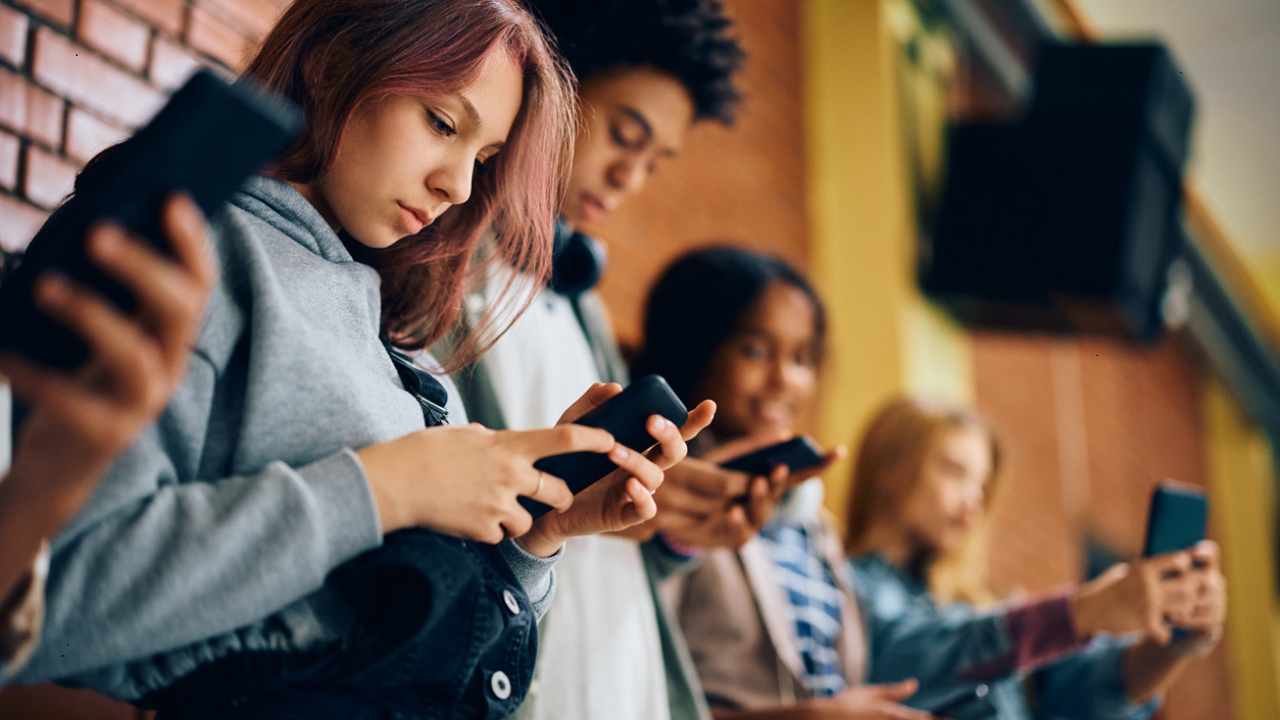
The impact of social media on adolescents’ well-being is significant, said the World Happiness Report 2026 today, warning that the scale of harm is significant enough to affect entire populations. The annual report, published by the Wellbeing Research Centre at the University of Oxford, points to overwhelming evidence of both direct and indirect harm. Direct harms include exposing them to videos of graphic pornography and real-life violence, facilitating cyberbullying and deepfakes, promoting dangerous “challenges”, connecting them with sexual predators, and facilitating the purchase of illegal drugs. The indirect harms involve rising levels of depression, anxiety, and reduced life satisfaction.“The harms and risks to individual users are so diverse and vast in scope that they justify the view that social media is causing harm at a population level,” the report said. The harmful "experiences are so common that they should also count as ordinary use,” it added. Notably, the report called the major social media platforms such as Facebook, Instagram, Snapchat, TikTok, and X, "dangerous consumer products that harm adolescents at a massive scale”. “The evidence of harm – both direct and indirect – is so strong and comes from so many sources in so many countries that we believe policymakers around the world now have enough evidence to justify action to protect children and adolescents,” the report said. In line with this, countries such as Australia and Indonesia recently introduced legislative restrictions on social media use among young people. In India, states including Karnataka and Andhra Pradesh have announced bans, while Bihar is considering similar measures. The report pointed out that social media is causing direct harms to millions of people globally. This includes: Addiction and problematic useSleep deprivation Sextortion Sexual harassmentAlso read: Is India Set To Implement A Social Media Ban For Children?Impact on Youth Well-beingResearch cited in the report shows a clear link between heavy social media use and lower life satisfaction among adolescents. Youth and teens who spent more time on social platforms reported poorer mental well-being compared to those who used less. Overall, internet use was linked with negative effects, particularly among girls and in countries such as the UK and Ireland. Yet, among those who used the internet for communication, learning, news consumption, and content creation, higher life satisfaction was reported. The report noted that negative emotions are becoming more common across all regions. Worry increased among young people, while the frequency of anger declined across both younger and older populations. Despite these trends, positive emotions still occur about twice as often as negative ones globally. Global Happiness Rankings Finland has been ranked the world’s happiest country for the ninth consecutive year, followed by Iceland, Denmark, and Costa Rica. Other countries in the top 10 include Sweden, Norway, the Netherlands, Israel, Luxembourg, and Switzerland. In contrast, when measuring changes in happiness among people under 25, countries in the NANZ region -- the United States, Canada, Australia, and New Zealand -- rank much lower, placing between 122 and 133 out of 136 countries.