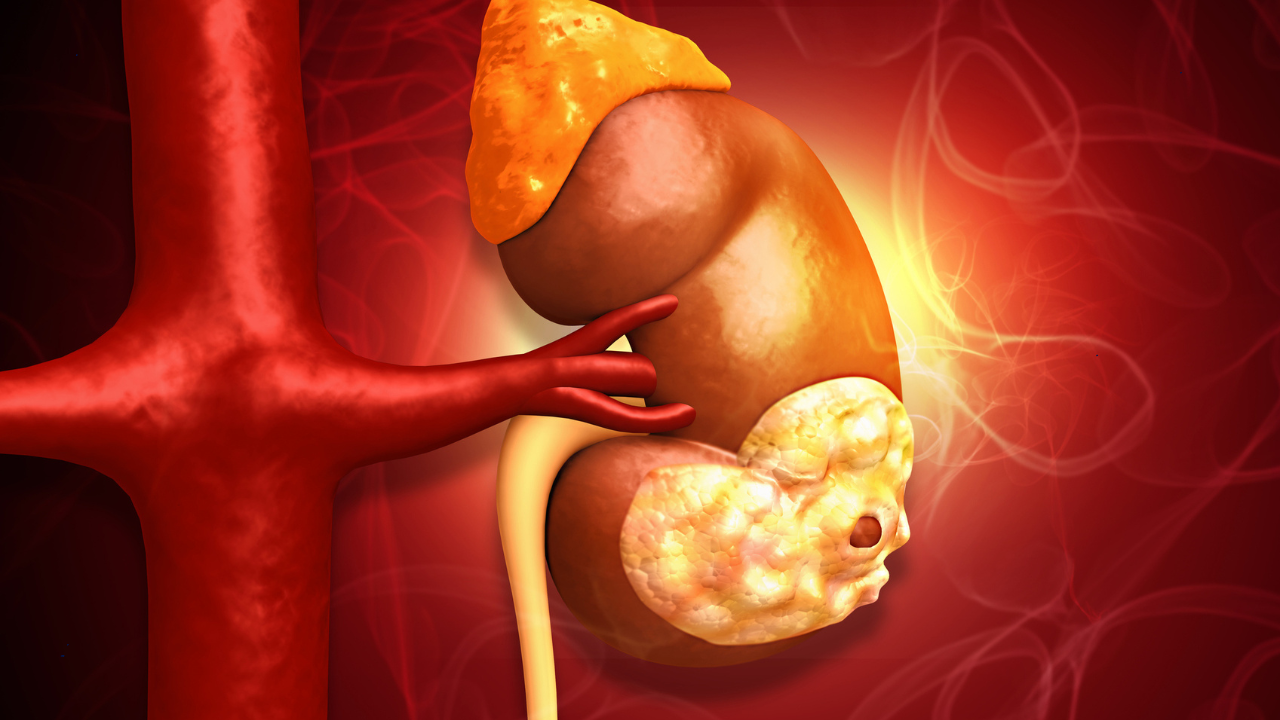
Kidney cancer has traditionally been considered a disease that primarily affects older adults, with most cases diagnosed in individuals over the age of 60. However, clinicians are increasingly encountering younger patients diagnosed with kidney cancer, raising questions about whether the disease profile is gradually changing.Although kidney cancer remains relatively uncommon in young adults, it is not unheard of. Large surgical series have found that only about 5% of renal cell carcinoma (RCC) patients are younger than 40 years. A study from the Cleveland Clinic reported that 3.4% of RCC cases occurred in individuals aged 20–40 years, while several reviews have estimated that approximately 3.4–7.5% of RCC cases are diagnosed before the age of 40. While these numbers remain relatively small, they highlight that kidney cancer can occur in younger populations and should not be considered a disease of older age exclusively.Why Are More Young Adults Being Diagnosed?Several factors may be contributing to earlier diagnoses. Rising rates of obesity, hypertension, and metabolic disorders among younger populations are emerging as important concerns. These conditions are well-established risk factors for kidney cancer and are being observed at increasingly younger ages. Additionally, lifestyle factors such as smoking, sedentary behavior, and unhealthy dietary habits may also contribute to long-term cancer risk.Another reason for the apparent rise in younger diagnoses is the increased use of imaging technologies. Today, many kidney tumors are detected incidentally during ultrasounds, CT scans, or MRI scans performed for unrelated medical concerns. As a result, cancers that may have otherwise gone unnoticed until later stages are now being identified earlier and in younger individuals.Genetic predisposition is another important consideration. Compared to older patients, younger individuals diagnosed with kidney cancer are more likely to have an inherited genetic syndrome or a strong family history of the disease. This highlights the importance of genetic counselling and evaluation in select cases.Challenges With Kidney CancerOne of the challenges with kidney cancer is that it often remains silent in its early stages. Symptoms such as blood in the urine, persistent back pain, unexplained weight loss, or fatigue may appear only when the disease has progressed. This makes awareness and timely medical evaluation particularly important.Although there is currently no recommendation for routine kidney cancer screening in the general population, maintaining a healthy weight, controlling blood pressure, avoiding tobacco use, and seeking medical attention for persistent symptoms can help reduce risk and support early detection. As the health profile of younger populations evolves, greater awareness of kidney cancer among young adults may become increasingly important.(By Dr. Vikram Kalra, Principal Director - Nephrology and Kidney Transplant, Aakash Healthcare Multi-Speciality Hospital, Dwarka)