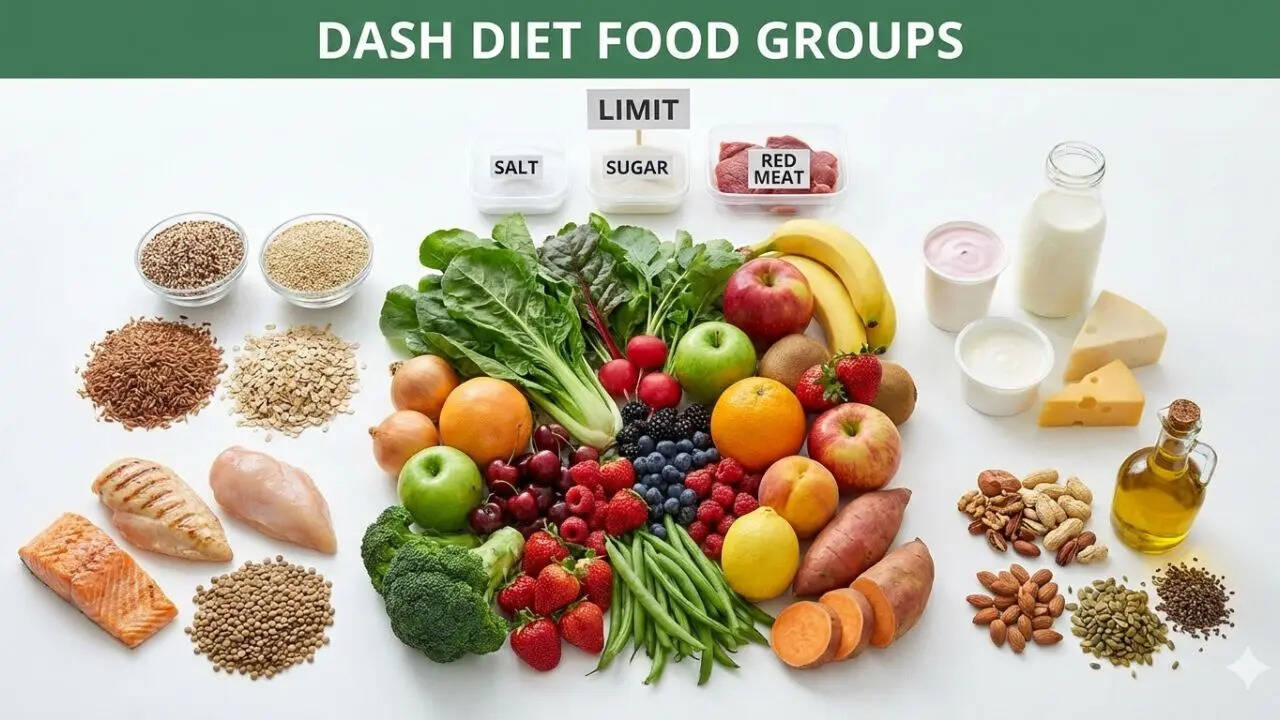
A diet backed by scientific research may help people slim down while also bringing down high blood pressure. For those who have been told by their GP to lose weight, there are several eating plans and everyday changes that can support steady, healthy weight loss. One well-known approach is the DASH diet, created by researchers in the United States. Designed by the National Heart, Lung, and Blood Institute to help manage blood pressure, it has previously been described as the “best heart-healthy diet” and the “best diet for high blood pressure.”DASH Diet Found To Significantly Lower High Blood PressureThe plan advises cutting back on salt while prioritising nutritious foods such as fruit, vegetables, and whole grains. According to nutritionist and author Robert Hobson, who wrote Unprocess Your Life, this way of eating may also support weight loss.Speaking to Saga Magazine, Hobson explained: “The DASH (Dietary Approaches to Stop Hypertension) diet is similar to the Mediterranean diet, as it focuses on fruits, vegetables, lean protein, and keeping salt, sugar, and fat intake low. Research shows it can significantly reduce high blood pressure. Although it wasn’t created as a weight-loss plan, many people following DASH do end up losing weight.”Many people report losing weight while following the DASH diet, particularly if they also lower their overall calorie intake. Studies suggest weight loss can range from modest to more noticeable levels, with one piece of research showing an average loss of 3.8kg in eight weeks when compared with other diets. This is often because the DASH diet centres on low-calorie foods like fruit and vegetables. Long-term commitment is key for lasting benefits, according to The Mirror.What Is The DASH Diet?The National Heart, Lung, and Blood Institute explains that no special or hard-to-find foods are needed to follow the DASH diet. Instead, people are encouraged to eat specific portions from each food group, based on their daily calorie requirements. The diet also stresses choosing foods that are low in saturated and trans fats, as well as lower in sodium.DASH Diet: What Does The Plan Recommend?Eating plenty of vegetables, fruits, and whole grainsIncluding fat-free or low-fat dairy products, fish, poultry, beans, nuts, and vegetable oilsLimiting foods high in saturated fat, such as fatty meats, full-fat dairy products, and tropical oils like coconut, palm kernel, and palm oilsCutting back on sugary drinks and sweet foodsFurther guidance is available online, and the British Heart Foundation also offers advice and recipe ideas for those following the DASH diet. Outlining the potential benefits, the charity notes on its website: “A large study published in 2019 in the journal Nutrients reviewed seven meta-analyses, including 15 observational studies and 31 controlled trials, on the DASH diet.“It found the diet was associated with a 5.2mmHg reduction in systolic blood pressure, which is the top number, and a 2.6mmHg reduction in diastolic blood pressure, the bottom number.”The NHS states that the recommended daily calorie intake is around 2,500 calories for men and 2,000 calories for women. Anyone with health concerns should always speak to their GP.For maintaining a balanced, healthy diet, the NHS advises: “If you’re eating foods and drinks high in fat, salt, or sugar, try to have them less often and in smaller portions. Aim to eat a wide variety of foods from the five main food groups to ensure you get a broad range of nutrients.”