
- Health Conditions A-Z
- Health & Wellness
- Nutrition
- Fitness
- Health News
- Ayurveda
- Videos
- Medicine A-Z
- Parenting
Did You Know? THESE Additives In Your Ultra-processed Foods Could Increase Risk Of Death

Credits: Canva
We all know ultra-processed foods have a bad rap. But it’s not the processing alone that’s harming your health. A new study has pointed the finger at very specific food additives—those extras that make your crisps zing, your fizzy drinks sweet, and your instant noodles irresistible. And some of them, researchers say, could actually increase your risk of death. Yes, death.
Researchers in Germany, publishing their findings in eClinicalMedicine, followed a whopping 186,744 people in the UK for several years. Ages ranged from 40 to 75, so this wasn’t just a “college-student-on-an-instant-ramen-diet” survey. Over the study period, more than 10,000 deaths occurred. And when the scientists dug into what those people were eating, the results were unsettling.
Out of 37 different food additives and markers of ultra-processed foods, five groups stood out for their grim connections to all-cause mortality:
- Flavour additives
- Flavour enhancers
- Colouring agents
- Sweeteners
- Varieties of sugar
Specific ingredients that stood out in the research:
- Glutamate and ribonucleotide (flavour enhancers)
- Acesulfame, saccharin, and sucralose (sweeteners)
- Fructose, inverted sugar, lactose, and maltodextrin (varieties of sugar)
- Caking agents, firming agents, thickeners (the texturising gang)
These are the invisible additives that make food taste better, look prettier, and last longer, but your body isn’t impressed. The study connected them with weight gain, metabolic disruption, and even mischief in your gut microbiota. Basically, your insides know when they’re being tricked.
Not All Additives Are Bad
These gooey, jelly-like ingredients, often rich in pectin (a type of soluble fibre found in fruit), were linked to a lower risk of death. Pectin has a reputation for improving blood sugar levels, supporting digestion, and even showing anti-cancer potential.
What the Study Highlights
The study isn’t saying that every crisp or fizzy drink is instantly fatal. What it highlights is that eating more ultra-processed foods overall is linked with higher mortality risk, and within that big basket, certain additives stand out as particularly problematic.
Interestingly, not every ultra-processed food marker was linked with harm. Modified oils, processing aids, proteins, and fibre didn’t seem to have the same deadly connections.
The findings add nuance to the conversation about food. For years, advice has been a blunt “avoid ultra-processed foods”. But this study suggests the smarter move is to pay attention to which additives are doing the damage. If you spot acesulfame, maltodextrin, or sucralose in your ingredients list, maybe it’s time to put that product back on the shelf.
Meanwhile, it’s not all doom and gloom. Gelling agents might just be good for your gut. And who knows? One day, future food companies might lean more heavily on these safer additives to give us “healthier processed foods” that don’t spell trouble in the long run.
Ultra-processed foods are everywhere, and pretending we can avoid them completely is unrealistic. The real trick is being aware of what’s in them. Flavour enhancers, sweeteners, colouring agents, and sugars deserve the side-eye, while fibre-rich gelling agents can keep their halo.
Why You Should Opt For Vegetarian Protein Options Rather Than Fish?
Credit: Freepik
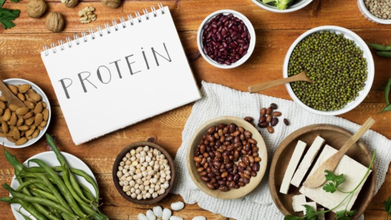
Protein is usually talked about as the “muscle nutrient.” And while, it does help build and repair muscles, it is not the only part of the story.
Protein quietly works behind the scenes every single day. It repairs tissues after normal wear and tear, helps produce hormones that regulate mood and metabolism, builds enzymes that keep chemical reactions running, supports immunity, and even forms hemoglobin, which carries oxygen in your blood.
For years, non-vegetarian foods have been seen as the ultimate protein sources. Chicken, eggs and fish are often considered the default answer when someone talks about “high protein.”
But here is the part that often gets overlooked: Non-veg is not the only way to meet your protein needs. In fact, several vegetarian foods offer comparable amounts of protein and bring additional benefits to the table. Many are rich in fiber, probiotics and plant compounds that animal foods do not provide.
When chosen wisely and balanced well, these options can support muscle repair, digestion, heart health and long-term wellness just as effectively, and in some cases, even better.
Protein is important. But where you get it from can shape your health in more ways than you might think.
1. Lentils: Steady Energy and Better Digestion
Cooked lentils provide around nine grams of protein per 100 grams, which is comparable to several types of fish. But lentils bring something extra to the table: fiber.
Fiber slows down digestion. This means glucose enters your bloodstream more gradually, helping to prevent sharp spikes and crashes in blood sugar. Over time, this can support better energy levels and improved metabolic health. Lentils are also rich in iron, which helps your red blood cells carry oxygen throughout the body.
Dr Payal Sharma, Chief Dietician at Dharamshila Narayana Superspeciality Hospital, Delhi, notes: “Lentils pack a good amount of protein, plus fiber and iron, which help with digestion and keep your energy steady all day.”
If you replace fish with lentils regularly, you may notice improved digestion and a longer-lasting feeling of fullness. For people managing weight or diabetes, that steady energy release can make a real difference.
2. Paneer: Muscle Support With Calcium
Paneer offers about 18 to 20 grams of protein per 100 grams, making it a dense and efficient protein source. Since it is derived from milk, it contains all the essential amino acids. That makes it a complete protein, similar in quality to fish.
Paneer is also high in calcium, which supports bone strength, muscle contraction and nerve signaling. While it does not provide omega-3 fatty acids like fatty fish do, it plays a strong role in maintaining muscle mass and skeletal health.
Replacing fish with paneer can maintain muscle repair and growth. However, you may need to add other healthy fat sources to your diet to compensate for the loss of omega-3s.
Dr Anshul Singh, Team Leader, Clinical Nutrition and Dietetics Department at Artemis Hospitals, says that paneer "takes a long time to digest which keeps you full longer and helps your muscles heal".
3. Chickpeas: Versatile Protein and Energy Booster
Chickpeas (chole) are another strong vegetarian protein source, offering roughly 8–15 grams of protein per cooked cup, depending on preparation.
Chickpeas not only supply protein but also complex carbs and fiber, which help regulate digestion and prevent sudden spikes in blood sugar. With steady energy release, you may feel less fatigued throughout the day.
Nutritionist Nmami Agarwal explained: “.Quinoa, lentils, chickpeas, and paneer bring real protein power to your plate”.
4. Quinoa: Complete Protein With Slow-Release Energy
Quinoa contains about five grams of protein per 100 grams cooked. While slightly lower in protein than fish, it is unique among grains because it is a complete protein.
It also provides complex carbohydrates, which release energy gradually. This supports stable blood sugar levels and sustained energy. Quinoa is rich in magnesium, a mineral that supports muscle and nerve function.
Replacing fish with quinoa can offer steady fuel for the body along with essential minerals. It works especially well when paired with legumes, vegetables, and healthy fats.
Dr Sethi highlighted that quinoa is beneficial because of its fiber content, supporting smoother digestion and overall gut wellness.
5. Greek Yogurt: Protein With Probiotics
Greek yogurt delivers around 10 grams of protein per 100 grams. It also contains probiotics, which are live beneficial bacteria. The National Institute of Nutrition highlights fermented dairy as beneficial for digestion due to its live cultures.These probiotics support gut balance, which plays a role in immunity, nutrient absorption, and even mood regulation. While fish contributes omega-3 fatty acids for heart and brain health, Greek yogurt contributes gut-friendly cultures that strengthen digestive resilience.
If you switch from fish to Greek yogurt as a protein source, you may notice improved digestive comfort. Choosing plain, unsweetened varieties is important to avoid excess added sugars.
6. Soy Foods: Plant Based Protein That Rivals Meat
Soy products are among the strongest plant-based protein sources available. Foods like tofu, tempeh and soybeans contain all nine essential amino acids, which makes soy a complete protein. That puts it in the same category as many non-vegetarian protein sources. On average, tofu provides about 10 grams of protein per 100 grams, while tempeh can offer even more.
What makes soy stand out is that it delivers high-quality protein along with fiber, iron and beneficial plant compounds called isoflavones. These compounds have been studied for their potential role in supporting heart health and hormonal balance. Soy is also naturally low in saturated fat, which may help reduce overall cardiovascular risk when used to replace higher-fat animal proteins.
For people looking to move away from non-veg options, soy products offer a reliable way to maintain muscle repair, tissue growth and overall strength without compromising on protein quality. When included as part of a balanced diet, they can support both performance and long-term health.
Dr Sharma states that "If you're into plant-based stuff, soy foods like tofu and tempeh are just as good as animal proteins".
For a long time, non-vegetarian foods have been seen as the obvious protein choice. But they are not the only option. Lentils, paneer, tofu, chickpeas, Greek yogurt and quinoa prove that you can meet your protein needs in different ways. In fact, many of these foods bring extra benefits like fiber for smoother digestion and gut-friendly bacteria that support overall health.
The real secret is balance. If you decide to replace non-veg with vegetarian proteins, just make sure your meals are varied and well planned. When you mix different protein sources and eat a range of whole foods, your body still gets everything it needs.
It is not about giving something up. It is about expanding your options and choosing what works best for your health!
Do You Need To Take Fish Oil Supplements?
Credit: Canva
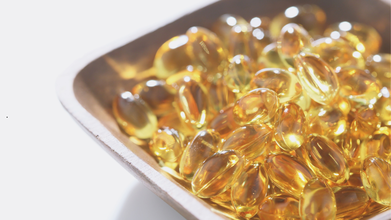
Fish oil supplements are capsules or liquids made from the fat (oil) of fatty fish and have recently gained popularity as a reliable source of omega-3 fatty acids, which are essential fats your body cannot make on its own.
However, Dr Sandeep Reddy Koppula, HOD - Internal Medicine, Arete Hospitals, warns that only certain people should opt to regularly consume these capsules.
He told Times Of India: "If there's one supplement almost everyone has considered at some point, it's fish oil. Patients often walk into clinic holding a bottle and ask, 'Doctor, should I be taking this daily?' The honest answer is — it depends far more on the person than on the popularity of the supplement.
"If you already eat fish two or three times a week, maintain balanced nutrition, and have no cardiovascular risk factors, adding a capsule may not provide meaningful additional benefit."
He also noted that supplements work best when correcting a deficiency or addressing a defined medical problem and do not serve as daily insurance for people already meeting their nutritional needs.
According to the expert, these people should take the supplements:
1. Those with high triglycerides
Dr Koppula explained: "People with high triglyceride levels - a specific type of blood fat - are among the clearest candidates. In such cases, medically supervised omega-3 supplementation can help lower triglycerides alongside diet and lifestyle changes."
2. Some patients with established heart disease
The expert noted: "Some patients with established heart disease may also be advised fish oil in carefully prescribed doses, though this decision is usually individualised rather than routine."
3. Those who rarely eat fish
Lastly, Dr Koppula added: "Those who rarely consume fatty fish - such as salmon, sardines, or mackerel — might also benefit, especially if their overall diet lacks healthy fats."
What Are Fish Oil Omega-3s?
Omega-3 fatty acids are polyunsaturated fats known for their crucial role in brain function and overall mental health. Fish oil is particularly rich in EPA and DHA, which are vital components of cell membranes and have strong anti-inflammatory effects in the body.
These omega-3s play a critical role in human development, and they are primarily found in fatty fish and fish oil. Since many people do not consume enough fish, supplementation is often recommended to ensure adequate intake of these essential fatty acids.
Although the body can convert another type of omega-3, alpha-linolenic acid (ALA), into EPA and DHA, this process is not highly efficient. As a result, fish oil supplements may provide a convenient way to ensure optimal levels of omega-3s.
Some popular sources of Omega-3 include:
- Salmon
- Cod Liver Oil
- Algae Oil
- Oysters
- Nuts and seeds, such as flaxseeds, chia seeds, and walnuts
- Plant oils, such as flaxseed oil, soybean oil, and canola oil
- Fortified foods, such as eggs, yogurt, juices, milk, etc.
Study Shows It Can Reduce Anger
Eating omega-3-rich foods can reduce your aggression levels by 28 percent, an Aggression and Violent Behavior study suggests.After analyzing 29 randomized controlled trials involving 3,918 participants in total, researchers from the University of Pennsylvania concluded that the fish oil supplement can reduce both reactive anger (in response to provocation) and proactive anger (behavior planned in advance) in people regardless of age, gender, medical diagnosis and length and dosage of treatment.
Neurocriminologist Dr Adrian Raine said of the results: "I think the time has come to implement omega-3 supplementation to reduce aggression, irrespective of whether the setting is the community, the clinic, or the criminal justice system.
"At the very least, parents seeking treatment for an aggressive child should know that in addition to any other treatment that their child receives, an extra portion or two of fish each week could also help."
The scientists theorized that omega-3 can reduce brain inflammation and regulate vital brain functioning which helps maintain aggression levels. However, they also noted that further research was needed to understand the link.
"Omega-3 is not a magic bullet that is going to completely solve the problem of violence in society. But can it help? Based on these findings, we firmly believe it can, and we should start to act on the new knowledge we have." Dr Raine said.
Harvard Scientists Reveal The Real Diet Secret To Heart Health
Credit: Canva
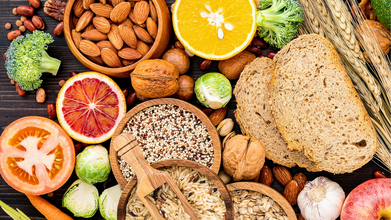
A massive study that tracked nearly 200,000 people has found that the quality of food, rather than the quantity of carbs and fats, affects heart health.
Public health researchers from Harvard University spent over 30 years examining the participants and discovered that if a diet contains too many processed foods and animal proteins or fats, or if it otherwise lacks in adequate vegetables, fruits, whole grains, healthy fats, or essential macronutrients, it may not benefit cardiovascular health as much in the long run, even if it is low carb or low fat by definition.
The scientists noted that those who ate healthy, varied diets with adequate macronutrients showed higher levels of 'good' cholesterol in their blood as well as lower levels of fats and inflammatory markers as compared to their counterparts.
The same group of people also had a significantly lower risk of developing coronary heart disease, the most common cause of heart attacks.
Based on their conclusion, Harvard epidemiologist Zhiyuan Wu, who led the research, advised: "Focusing only on nutrient compositions but not food quality may not lead to health benefits.
"These results suggest that healthy low-carbohydrate and low-fat diets may share common biological pathways that improve cardiovascular health. Focusing on overall diet quality may offer flexibility for individuals to choose eating patterns that align with their preferences while still supporting heart health."
The Rising Heart Attack Crisis
Heart attacks occur when blood flow to the heart is severely reduced or blocked due to a buildup of plaque which is made of fat, cholesterol and other substances in the heart's arteries.
During a heart attack, a lack of blood flow causes the cells and tissue in the heart muscle to die, leading to irreversible damage that can result in serious complications like arrhythmias, heart failure, cardiogenic shock, or cardiac arrest.
It is one of the leading causes of death in the country. Four Indians experience a heart attack every minute, with one in four dying of the cause. Experts have also noticed a rising trend of nearly 50 percent of heart attack patients being under the age of 40, with half of all heart attacks in Indian men occurring under 50.
Coronary Artery Disease: The Silent Killer
Coronary artery disease (CAD) is one of the most common illnesses that can cause a heart attack in people. It develops over years and has no clear signs and symptoms apart from a heart attack.
The illness begins due to a buildup of fats, cholesterol and other substances known as plaque in and on the artery walls.
Over time, this can cause narrowing or blockage of the coronary arteries and block the supply of oxygen-rich blood to the heart which can lead to chest pain (angina), shortness of breath and ultimately, heart attacks.
Typically, those above the age of 45, having a biological family member with heart disease, lack of sleep, smoking, consuming saturated fats along with other autoimmune diseases such as lupus and rheumatoid arthritis, can increase the risk of developing CAD.
Nearly one in 10 Indian adults suffer from CAD and about two million people die from the disease annually. Apart from this, about 18 to 20 million American adults aged 20 and older are also affected about the disease.
How Much You Should Exercise To Prevent CAD?
The American Heart Association recommends performing at least 150 minutes per week of moderate-intensity aerobic activity, such as brisk walking, dancing and gardening or 75 minutes per week of vigorous aerobic activity, such as hiking, running, cycling or and playing tennis or a combination of both, preferably spread throughout the week to maintain heart health.
Moreover, regular exercise can also reduce the risk of Type 2 diabetes, high blood pressure, dementia and Alzheimer’s as well as several types of cancer. It can also help improve sleep, cognition, including memory, attention and processing speed.
Dr Hayes recommends opting for a cardiac evaluation such as an electrocardiogram, or EKG; a stress test; a cardiac MRI or CT scan to generate images of your heart if you notice changes in your ability to exercise or cannot perform consistent levels of exercise.
- Follow Us :


© 2024 Bennett, Coleman & Company Limited