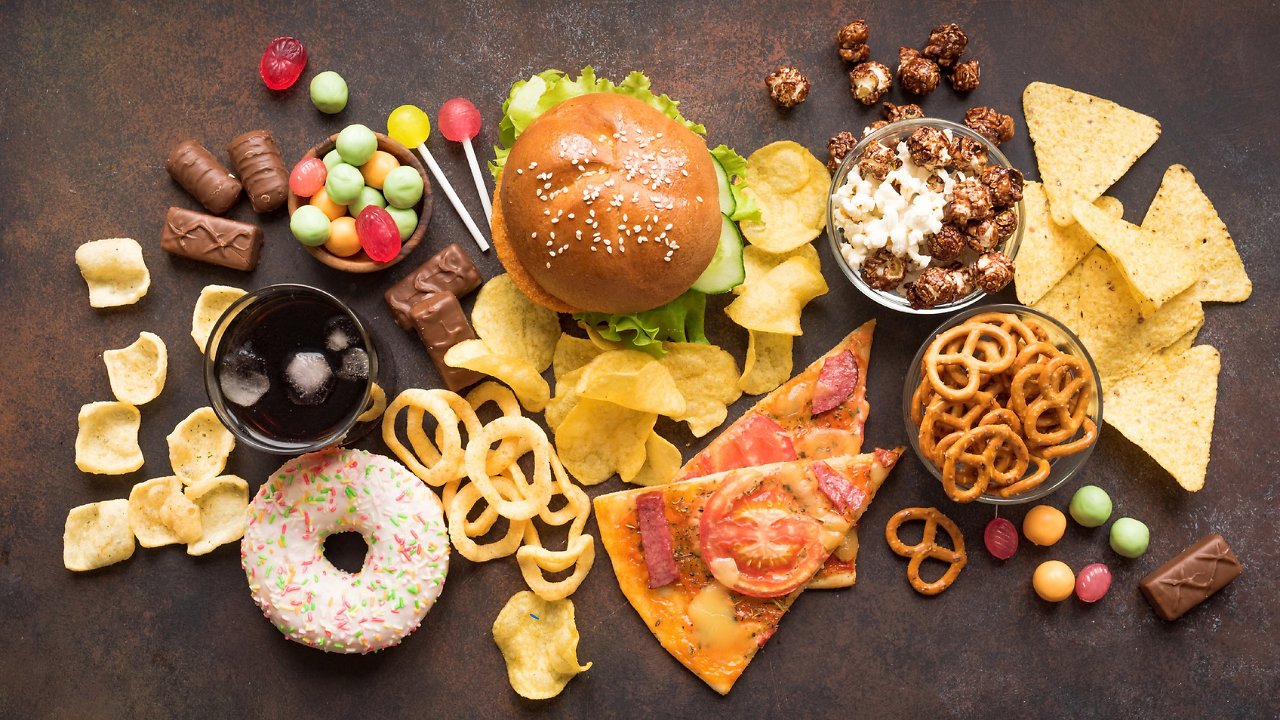
Eating more ultra-processed food (UPF) has been associated with a higher risk of several chronic health conditions, including cardiovascular disease, cancer, metabolic disorders and high blood pressure.Yet another large review of studies involving about 9 million participants showed that every additional 100 grams of UPF consumed per day was associated with a 14% higher risk of cardiovascular events and an 11% higher risk of high blood pressure.This is concerning because cardiovascular diseases (CVDs) are the world’s leading cause of death. In 2022, an estimated 19.8 million people died from CVDs, accounting for about 32% of all deaths globally. Heart attacks and strokes caused 85% of these deaths, as per data from the WHO. Uncontrolled blood pressure is also worrying as it is a leading cause of heart attack, stroke, chronic kidney disease, and dementia. An estimated 1.4 billion people lived with hypertension in 2024, yet just over one in five have it under control either through medication or addressing modifiable health risks.What Did The Study Find?The findings, published in the open-access journal Family Medicine and Community Health, were based on 51 prospective cohort studies involving 8,819,894 participants across the Americas, Europe, Asia and Oceania.The researchers found that people with higher UPF consumption had greater risks of several health problems:Cardiovascular events: 24% higher riskCancer: 12% higher riskOverweight or obesity: 23% higher riskMetabolic syndrome or diabetes: 24% higher riskDepression or anxiety: 27% higher riskDigestive diseases: 31% higher riskHigh blood pressure: 11% higher riskDeath from any cause: 18% higher riskThe researchers also examined the association with every additional 100 grams of UPF consumed per day. This was associated with:14% higher risk of cardiovascular events4% higher risk of cancer3% higher risk of death from any cause2% higher risk of metabolic syndrome or diabetesThe studies included participants aged 23 to 77 years, with follow-up periods ranging from two to 32 years.How UPF Affects Heart Health?The researchers said emerging evidence suggests that exposure to multiple additives in UPFs may have combined effects on health.Some compounds that can form during food processing, including acrylamide and acrolein, have been associated with cardiovascular disease.Laboratory research also suggests that the altered physical structure of UPFs may affect the gut microbiome and contribute to inflammation and insulin resistance.However, the researchers noted that these mechanisms are still being investigated.“Given that UPF-related chronic diseases often cluster as multi-morbidity, reducing consumption of UPFs and replacing them with minimally processed alternatives may be relevant for chronic disease prevention and primary care management,” the Duke-NUS Medical School researchers said.What Are Ultra-Processed Foods?Ultra-processed foods are industrially manufactured products that typically contain ingredients and additives not commonly used in home cooking.They can include:Sugary drinksProcessed meatsPackaged snacks and chipsCandy and confectioneryBaked goodsRefined grain productsReady-to-eat or ready-to-heat mealsMany UPFs are high in added sugar, sodium, and refined carbohydrates and may contain additives such as emulsifiers, sweeteners, preservatives, colorants and flavor enhancers. Limit ultra-processed foods to lower risk of heart disease, say experts. Replacing some ultra-processed foods with minimally processed alternatives may therefore be one dietary approach to consider as part of broader chronic disease prevention.