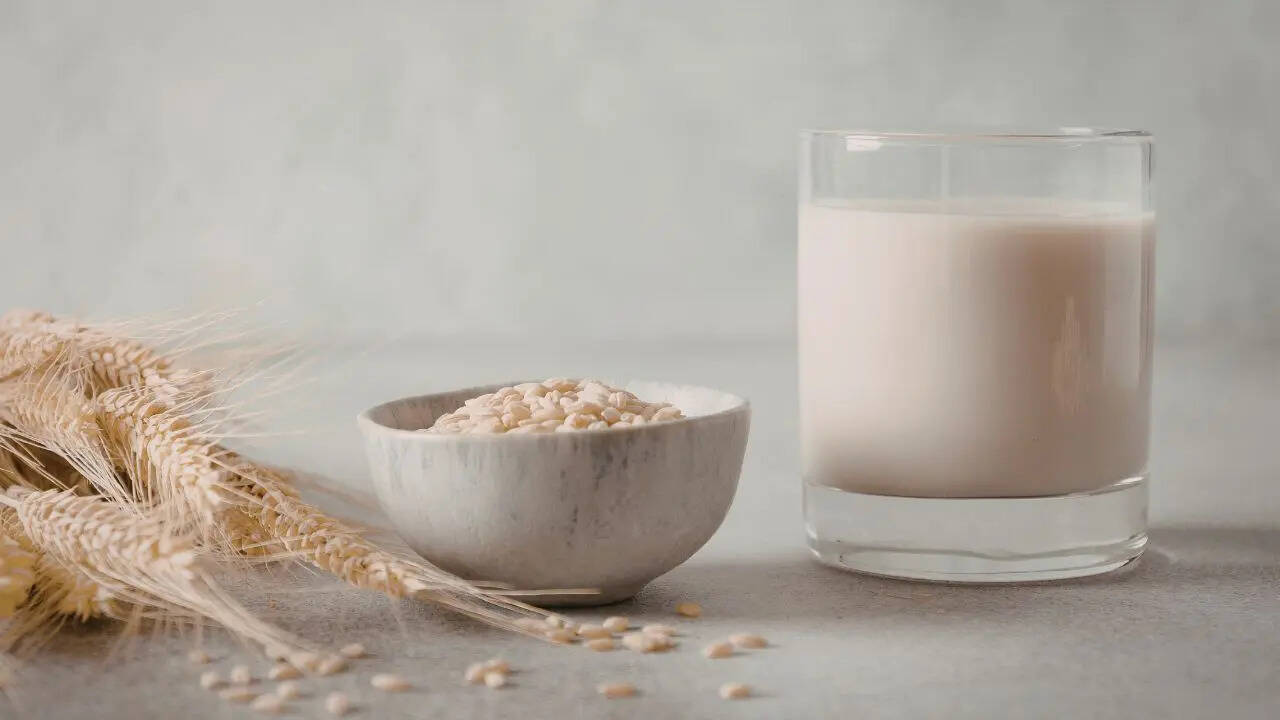
If you scroll through TikTok or Instagram these days, chances are you have come across videos of people blending oats with water or juice and calling the drink “oatzempic”.The term is clearly inspired by Ozempic, a prescription drug mainly used to treat type 2 diabetes and known for reducing appetite. Clips featuring the oat-based drink often promise quick weight loss, long-lasting fullness, and a “natural substitute” for medication. But does oatzempic have any scientific backing? In short, no. Here’s a closer look at why.What Is Oatzempic?There is no fixed formula for oatzempic. Most videos show people blending one or two tablespoons of rolled oats with a glass of water. Some add lemon or lime juice, cinnamon, or soak the oats beforehand. Oats are high in beta-glucan, a form of soluble fibre that turns gel-like when mixed with liquid. The idea is that drinking this mixture will help you feel full and curb hunger.Many TikTok creators suggest replacing breakfast with oatzempic. Others recommend drinking it mid-afternoon to avoid overeating later.Oatzempic: What Happens When You Drink It?As per The Independent, many people online say they feel fuller after drinking oatzempic, which makes sense. Oats contain beta-glucan, a soluble fibre that forms a thick gel in the digestive tract. This slows digestion and can increase feelings of fullness. Strong evidence shows that diets rich in viscous soluble fibre, such as that found in oats, can modestly improve appetite control, blunt blood sugar spikes after meals, and support healthier cholesterol levels.That said, oats are not unique in this respect. Foods like apples, citrus fruits, flaxseeds, barley, psyllium husk, and legumes such as beans and lentils also contain soluble fibres that behave in a similar way in the gut, promoting fullness and overall health. So yes, oats can help you feel satisfied. But feeling full alone does not equal lasting or meaningful weight loss.Sustainable weight management depends on balanced eating and regular physical activity, not just appetite suppression.Has Oatzempic Actually Been Studied For Weight Loss?No. There are no clinical studies examining the “oatzempic drink” for weight loss, appetite regulation, or long-term health effects. There is no agreed recipe, no standard quantity, and no research following its use over time.If someone loses weight while drinking it, it is difficult to know whether that change is due to oatzempic itself, reduced calorie intake overall, or other lifestyle adjustments happening at the same time.Oatzempic: Are There Downsides To Consider?For most people, drinking small amounts of oatzempic is unlikely to be harmful. Still, there are a few points worth keeping in mind: It is not a complete meal. Oatzempic lacks adequate protein, healthy fats, and several essential nutrients. Regularly replacing meals with it could lead to nutrient deficiencies or under-eatingIncreasing fibre too quickly can cause discomfort. People who are not used to high-fibre diets may experience bloating or digestive issues, particularly if they are not drinking enough fluidsThe name itself can be misleading. Calling it “oatzempic” encourages comparisons with a prescription drug, which may wrongly suggest it has similar effectsIt may delay proper care. Relying on a viral drink instead of seeking evidence-based nutrition or medical advice could stop people from getting the support they actually need.