
- Health Conditions A-Z
- Health & Wellness
- Nutrition
- Fitness
- Health News
- Ayurveda
- Videos
- Medicine A-Z
- Parenting
What Is ‘Oatzempic’? TikTok’s New Weight-Loss Trend Explained
Credits: Canva
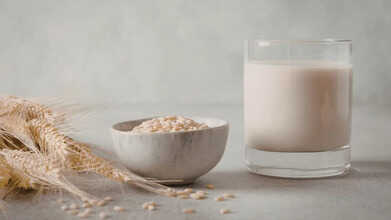
If you scroll through TikTok or Instagram these days, chances are you have come across videos of people blending oats with water or juice and calling the drink “oatzempic”.
The term is clearly inspired by Ozempic, a prescription drug mainly used to treat type 2 diabetes and known for reducing appetite. Clips featuring the oat-based drink often promise quick weight loss, long-lasting fullness, and a “natural substitute” for medication. But does oatzempic have any scientific backing? In short, no. Here’s a closer look at why.
What Is Oatzempic?
There is no fixed formula for oatzempic. Most videos show people blending one or two tablespoons of rolled oats with a glass of water. Some add lemon or lime juice, cinnamon, or soak the oats beforehand. Oats are high in beta-glucan, a form of soluble fibre that turns gel-like when mixed with liquid. The idea is that drinking this mixture will help you feel full and curb hunger.
Many TikTok creators suggest replacing breakfast with oatzempic. Others recommend drinking it mid-afternoon to avoid overeating later.
Oatzempic: What Happens When You Drink It?
As per The Independent, many people online say they feel fuller after drinking oatzempic, which makes sense. Oats contain beta-glucan, a soluble fibre that forms a thick gel in the digestive tract. This slows digestion and can increase feelings of fullness. Strong evidence shows that diets rich in viscous soluble fibre, such as that found in oats, can modestly improve appetite control, blunt blood sugar spikes after meals, and support healthier cholesterol levels.
That said, oats are not unique in this respect. Foods like apples, citrus fruits, flaxseeds, barley, psyllium husk, and legumes such as beans and lentils also contain soluble fibres that behave in a similar way in the gut, promoting fullness and overall health. So yes, oats can help you feel satisfied. But feeling full alone does not equal lasting or meaningful weight loss.
Sustainable weight management depends on balanced eating and regular physical activity, not just appetite suppression.
Has Oatzempic Actually Been Studied For Weight Loss?
No. There are no clinical studies examining the “oatzempic drink” for weight loss, appetite regulation, or long-term health effects. There is no agreed recipe, no standard quantity, and no research following its use over time.
If someone loses weight while drinking it, it is difficult to know whether that change is due to oatzempic itself, reduced calorie intake overall, or other lifestyle adjustments happening at the same time.
Oatzempic: Are There Downsides To Consider?
For most people, drinking small amounts of oatzempic is unlikely to be harmful. Still, there are a few points worth keeping in mind:
- It is not a complete meal. Oatzempic lacks adequate protein, healthy fats, and several essential nutrients. Regularly replacing meals with it could lead to nutrient deficiencies or under-eating
- Increasing fibre too quickly can cause discomfort. People who are not used to high-fibre diets may experience bloating or digestive issues, particularly if they are not drinking enough fluids
- The name itself can be misleading. Calling it “oatzempic” encourages comparisons with a prescription drug, which may wrongly suggest it has similar effects
- It may delay proper care. Relying on a viral drink instead of seeking evidence-based nutrition or medical advice could stop people from getting the support they actually need.
RFK Jr.’s New Food Pyramid vs Old Food Pyramid: Know What All Has Changed In Dietary Guidelines For Americans

Credits: Canva/Politico
The U.S. Department of Agriculture (USDA) rolled out a new set of dietary guidelines on Wednesday, Jan. 7, introducing a food pyramid that looks strikingly different from what most people remember. Emphasizing protein and healthy fats while reducing the role of grains, the updated recommendations represent a clear break from previous federal guidance. The accompanying food pyramid graphic almost completely reverses the old model, both in appearance and in the food groups it promotes.
During a White House briefing, Press Secretary Karoline Leavitt highlighted the changes, saying the announcement aligned with President Donald Trump and Health Secretary Robert F. Kennedy Jr.'s mission to "Make America Healthy Again."
Also Read: New Food Pyramid 2026 Reshapes Dietary Guidelines For Americans Under RFK Jr
If you’re used to the pyramid from the early 2000s, it may take a moment to adjust to the new look. Here are some of the major differences between the old and new food pyramids.
New Food Pyramids 2026: What Does The New Food Pyramid Look Like?
The U.S. had stopped using the pyramid as a guide back in 2011, switching to a plate-style visual for dietary recommendations. Now, under RFK Jr.’s leadership at HHS, the pyramid is back—but flipped. The upside-down triangle now places the foods that should make up most of your diet at the top, while foods to eat sparingly sit at the bottom.
RFK Jr.’s New Food Pyramid vs Old Food Pyramid
It’s not just the graphic that’s changed. The hierarchy of food groups has shifted as well. Grains, once the largest and foundational part of the diet, are now the smallest segment at the bottom. Meanwhile, protein, dairy, healthy fats, fruits, and vegetables dominate the top of the pyramid.
Here’s a detailed look at RFK Jr.’s New Food Pyramid vs Old Food Pyramid and what it means for Americans, based on reporting from USA Today.
1. Focus Shift
Old Food Pyramid: Grains and carbs were the base, while proteins and fats were limited. The focus was on low-fat foods and staples like bread, pasta, and cereal.
RFK Jr.’s New Food Pyramid: Whole foods, protein, and healthy fats take center stage. Red meat, cheese, fruits, and vegetables are placed at the top, and refined grains play a smaller role.
2. Protein and Fats
Old: Saturated fats and animal proteins were discouraged. Fat was often treated as the main dietary enemy.
New: Protein and healthy fats, including saturated fats from meat and dairy, are now seen as essential. Federal nutrition leaders have officially declared an end to the “war on fat.”
3. Processed Foods
Old: Highly processed foods, added sugars, refined carbs, and chemical additives were allowed in moderation.
New: There’s a strong push to reduce ultra-processed foods, added sugars, and refined carbs. The emphasis is now on minimally processed, real foods.
4. Dairy
Old: Low-fat or skim dairy was recommended; full-fat options were generally discouraged.
New: Cheese and other dairy products are now at the top of the pyramid, allowing for full-fat milk in both general diets and school meals.
5. Sugar and Additives
Old: Sugar intake was suggested to be limited, but highly processed foods weren’t heavily flagged.
New: Added sugar is more strictly controlled, and processed foods are clearly marked as foods to minimize.
6. Overall Approach
Old: The diet centered on lowering fat, balancing calories, and relying heavily on plant-based staples such as grains.
New: The focus is on nutrient-rich, protein-heavy meals, healthy fats, whole foods, and cutting down refined carbohydrates. The guidelines aim to address obesity, chronic disease, and overall health.
How Does The New Pyramid Reflect Dietary Trends?
The new food pyramid, unveiled by Health Secretary Robert F. Kennedy Jr., signals a major shift in U.S. nutrition advice, emphasizing more protein and healthy fats while reducing grains. This change mirrors growing trends in American diets, where high-protein eating patterns and skepticism of high-carb, ultra-processed foods are increasingly common, according to USA Today.
Practically, protein and dairy, especially full-fat dairy, now dominate the pyramid, replacing the previous grain-heavy base. Saturated fats are no longer demonized; instead, they are considered healthy in moderation. Federal nutrition leaders have officially ended the “war on fat.” These updates also reflect recent survey findings showing that high-protein diets are a top trend in the U.S., with most Americans actively trying to increase their protein intake.
Supplements, Gummies, Or Whole Foods? Here’s What Experts Recommend
Credits: Canva
In a world where colourful vitamin gummies line supermarket shelves and powders promise instant wellness, many people are left wondering: should I really rely on supplements, or is eating well enough? Experts say the answer isn’t as simple as choosing one over the other.
Why Natural Foods Come First
Dr. Hari Kishan Boorugu, Consultant Physician and Diabetologist at Yashoda Hospitals, Hyderabad, emphasizes that “whole, natural foods should always come first.” Fruits, vegetables, whole grains, nuts, seeds, fish, yogurt, and healthy oils are packed with vitamins, minerals, fibre, antioxidants, and other plant compounds that work together to support digestion, immunity, heart health, and gut microbiome balance. “Supplements can’t fully replicate the synergy of nutrients found in real foods,” he adds.
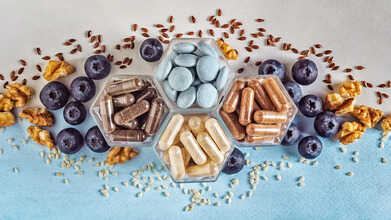
Supplements, including tablets, capsules, powders, and even gummies—are meant to fill specific gaps. They are particularly useful for people with diagnosed deficiencies, dietary restrictions, pregnancy-related needs, ageing-related bone health, or medical conditions that affect nutrient absorption. But Dr. Boorugu cautions that “self-prescribing or overusing supplements can lead to nutrient imbalances or even toxicity, especially with vitamins A, D, E, and K.”
The Truth About Gummies
Gummies have become popular for their taste and convenience. Yet, experts warn that they are not a substitute for a balanced diet. “Many gummies contain added sugar and inconsistent doses of nutrients,” Dr. Boorugu explains. They can support your nutrition, but only when used responsibly and under medical guidance.
Supplements As Support, Not Shortcuts
Ruchika Rajbans, Founder & CEO of Arechar Group and creator of Vitagoli, says people often ask her, “Do I really need supplements? Isn’t eating well enough?” Her answer: ideally, yes—food should cover your nutritional needs—but real life often interferes. Stress, lack of sleep, overworking, and hormonal changes can affect how well your body absorbs nutrients.
“Supplements are gap fillers, not meal replacements,” Ruchika explains. “Whether in gummies, tablets, or powders, what matters is the quality of the ingredients and whether there’s evidence backing their benefits.” She adds that wellness isn’t about chasing trends or formats; it’s about understanding your body, reading labels carefully, and making informed choices.
Experts agree that balance is key. Prioritize a varied, nutrient-rich diet, maintain a healthy lifestyle, and use supplements only when necessary, preferably with medical guidance. Real nutrition starts on your plate—not in a capsule or gummy.
Are All Ultra-Processed Foods Bad For You? Experts Say Some Are Better Than Others

Credits: Canva
Frozen pizza, ready-made meals, instant noodles, and many packaged breads are often cited as examples of what are known as ultra-processed foods. These are products made with long ingredient lists, chemical additives, and very little in the way of whole or natural foods.
In recent years, ultra-processed foods, often shortened to UPFs, have drawn growing attention. Data from the Centers for Disease Control and Prevention (CDC) shows that between 2021 and 2023, about 53 percent of the average adult’s daily calorie intake came from ultra-processed foods. Among children aged 18 and under, that number was even higher at 61.9 percent.
That said, experts stress that not all ultra-processed foods are the same. Some options are clearly better than others. By taking a closer look at ingredient lists and watching for additives, preservatives, fillers, and artificial components, it is possible to either avoid these foods altogether or choose versions that contain fewer questionable ingredients.
It also helps to understand that food processing exists on a spectrum. The aim is to choose the least processed version available. In some cases, that means foods with just one or two basic ingredients. In others, it may still mean an ultra-processed product, but one with less salt, sugar, artificial additives, and unnecessary extras than the standard option.
The Washington Post got in touch with health experts and below are common red flags to look for, along with healthier choices in each category.
Ultra-Processed Foods: What To Avoid And What To Pick
1. Sliced bread
Look for breads labelled “whole grain” or “100 percent whole grain,” advises Kelly Springer, a registered dietitian and founder of Kelly’s Choice, a nutrition company based in Skaneateles, New York.
Whole grains contain three key parts: bran, germ, and endosperm. Many ultra-processed breads use flour made only from the endosperm, which strips away much of the fibre and nutrients found in the bran and germ.
Red flags:
White flour as the first ingredient: This suggests the bread is made from refined grains with most nutrients removed.
Additives such as azodicarbonamide, calcium propionate, and potassium sorbate: A long list of unfamiliar additives is a warning sign. Compare that to simpler ingredients like whole wheat, salt, yeast, seeds, and vinegar.
Emulsifiers, preservatives, and dough conditioners: These are used to soften bread, extend shelf life, and improve appearance. Watch for ingredients like mono- and di-glycerides, sodium stearoyl lactylate, and butylated hydroxyanisole (BHA). “In general, fewer ingredients are better, especially if you can pronounce them,” said Beth Czerwony, a registered dietitian with the Cleveland Clinic’s Center for Human Nutrition.
Healthier options:
- Dave’s Killer Bread: Made with whole grains, seeds, and organic ingredients, this bread is high in protein and free from artificial additives. “This is the bread we buy at home for our kids,” Springer said.
- Food for Life Ezekiel Bread: Produced from organic, whole grains and legumes, this bread uses sprouted grains, which are soaked until they begin to germinate. Springer said this process makes the bread easier to digest and suitable for some people with mild gluten sensitivity.
- Beckmann’s Whole Wheat Sourdough Bread: Contains a short list of ingredients including whole wheat flour, water, sea salt, barley malt, and vitamin C.
- Alvarado St. Bakery: Uses organic, sprouted whole grains such as wheat berries, oats, barley, and millet in its breads.
2. Chicken nuggets
Chicken nuggets often come with long ingredient lists because they include breading, flour, and common seasonings like garlic, onion powder, paprika, and salt. Still, unfamiliar ingredients are a sign the product may be heavily processed.
Red flags:
- “White chicken meat”: This term can mean a mix of chicken parts beyond breast meat, including ground tissue and connective material. Look for nuggets that list “chicken breast” or “whole breast meat.”
- Fillers: Ingredients like wheat gluten and textured soy protein are sometimes added so manufacturers can use less meat.
- Chemical additives: Preservatives, emulsifiers, stabilisers, and fast-acting leavening agents are common. These may include propylene glycol, pyrophosphate, calcium phosphate, and sodium phosphate.
- High sodium: Foods with 20 percent or more of the daily sodium value per serving are considered high in salt.
Healthier options:
- Bell & Evans Chicken Breast Nuggets: Made with chicken breast and a limited number of simple seasonings.
- Tyson Naturals Gluten Free Breaded Chicken Breast Nuggets: These use ingredients like yellow corn flour and brown rice flour and contain no artificial additives.
- Kidfresh White Meat Chicken Nuggets: Include pureed vegetables such as cauliflower and onions and are lower in sodium than many alternatives.
- Just Bare Lightly Breaded Chicken Breast Bites: Made with basic ingredients including spices, egg whites, salt, and breading.
3. Peanut butter
Many popular peanut butter brands contain added ingredients to improve texture and shelf life, including sugar, hydrogenated oils, and emulsifiers. These additions can push peanut butter into ultra-processed territory.
Red flags:
Palm oil or hydrogenated vegetable oils: Oils like cottonseed, soybean, or rapeseed are often added to prevent separation. Products with these oils may be labelled “no stir” or called “peanut butter spread.”
- Mono- and di-glycerides: These emulsifiers help keep oil from separating and extend shelf life.
- Added sugars: Some brands include a teaspoon of sugar or more per serving.
Healthier options:
These products contain only peanuts, or peanuts and salt:
- Smucker’s All Natural Peanut Butter
- Trader Joe’s Creamy Peanut Butter Unsalted
- Santa Cruz Organic Creamy Dark Roasted Peanut Butter
- Target’s Good & Gather Organic Stir Peanut Butter
- Kirkland Signature Organic Peanut Butter
4. Greek yogurt
Greek yogurt is highly nutritious and rich in protein, minerals, and probiotics that support gut health.
Ideally, yogurt should contain just milk and live cultures, with cream included in some cases. Any sweetness or toppings can be added at home. Stephen Devries, an adjunct associate professor at Harvard T.H. Chan School of Public Health, notes that even added honey at home is usually less than what’s found in flavoured yogurts.
Red flags:
Added sugars: Ingredients like cane sugar, corn syrup, brown sugar, honey, and fruit juice concentrates can turn yogurt into a dessert.
- Artificial sweeteners: Products marketed as “no added sugar” may contain sucralose, stevia, Ace-K, or aspartame. Devries warns these can affect gut and metabolic health.
- Thickeners and stabilisers: Gelatin, corn starch, guar gum, and tricalcium citrate are often added for texture.
- Preservatives: Sodium benzoate and potassium sorbate are commonly used to extend shelf life.
Healthier options:
These plain yogurts contain no additives. Fat content varies by milk choice and does not affect processing level.
- Fage Total Plain Greek Yogurt
- Chobani Greek Yogurt Plain
- Target’s Good & Gather Greek Plain Yogurt
- Walmart’s Great Value Greek Plain Yogurt
- Stonyfield Organic Plain Greek Yogurt
5. Cold cuts
Cold cuts such as turkey, ham, and salami are staples in many lunches, but many are heavily processed.
Freshly sliced meat from the deli counter usually has the shortest ingredient list. Springer suggests asking deli staff which option contains the fewest additives.
If possible, choose sliced turkey, chicken, or roast beef. These are generally less processed and lower in sodium than meats like ham, salami, and bologna, which are often made from mechanically separated meat that is reshaped and sliced.
Red flags:
- Fillers and binders: Ingredients such as carrageenan, cellulose, maltodextrin, and corn syrup solids are used to improve texture and shelf life.
- Sodium nitrite or potassium nitrate: These preservatives are linked to cancer risk. Look for low-sodium options without added nitrates or nitrites.
Healthier options:
- Wegmans Just Turkey Turkey Breast: Contains only turkey breast.
- Applegate sliced turkey, chicken, and roast beef: Made with simple seasonings like salt, pepper, and rosemary extract, with no artificial ingredients or added nitrates.
- True Story Oven Roasted Turkey Breasts: Includes organic turkey, water, salt, and vinegar and is free from nitrates and nitrites.
- Follow Us :


© 2024 Bennett, Coleman & Company Limited