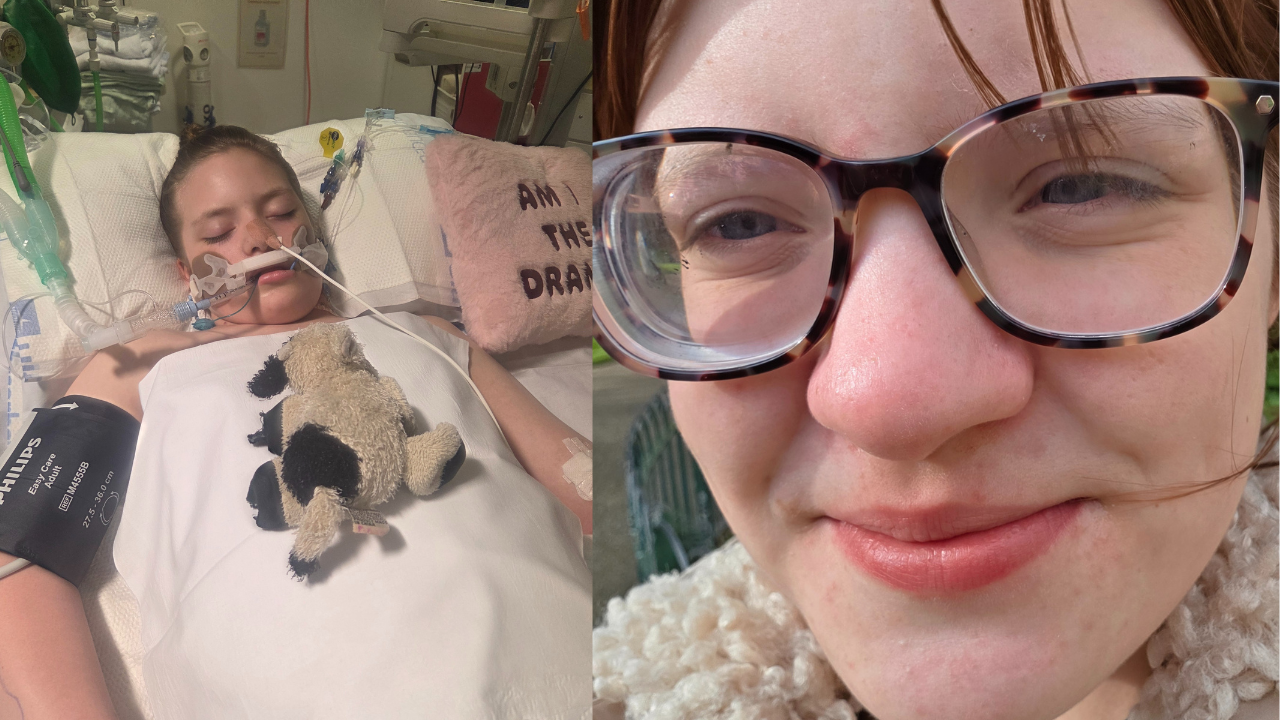
Felicity-Jo, a 13-year-old girl in the UK’s Lancashire, has survived a life-threatening bout of sepsis and two weeks of induced coma, after her symptoms were initially dismissed by doctors as a stomach bug. In early February, Felicity-Jo suffered vomiting and abdominal cramps, and was admitted at the Royal Blackburn Teaching Hospital where the medical team administered intravenous fluids. They discharged her the following day as the teen girl showed temporary improvement, and attributed her condition to gastroenteritis, also known as a stomach bug. "They [gave] her some fluids to stop the dehydration, and she seemed to like come around and seemed to feel better — the pain eased and then she took to small sips of water,” Natalie-Anne Rowlett, her mother told the BBC. "The doctors said they thought it was gastroenteritis or a stomach bug going around. They had said they wanted to take her for a scan, but they didn't do it because she perked up." What Happened To Felicity-Jo?While Felicity-Jo returned to her normal activities, her health suddenly deteriorated weeks later. On March 15, the teen collapsed in extreme pain and was admitted to the ICU at Burnley General Teaching Hospital. Here, the surgeons discovered she had been born with congenital adhesions, or internal scar tissue. The adhesions caused a total bowel obstruction, which was eventually followed by an infection and sepsis, her mom told the BBC. “The main symptoms were abdominal pain and persistent vomiting. It’s frightening how quickly things progressed from what seemed like a typical upset stomach to a life-threatening situation," Rowlett was quoted as saying to PEOPLE. After undergoing two emergency surgeries, including the removal of a portion of her bowel, Felicity-Jo was transferred to the pediatric intensive care unit at Royal Manchester Children's Hospital. She remained on life support for 14 days while battling the infection and subsequent blood clots. "Sepsis develops so quickly, and I want others to be aware. I know she'll come through. She's a fighter," Rowlett said, according to the BBC.How Is Felicity-Jo Now? After being fitted with a stoma bag and diagnosed with two blood clots four weeks after the health scare, Felicity-Jo finally took her first steps in almost a month. Felicity-Jo has “managed a smile,” which “melted” their hearts, wrote Rowlett on the GoFundMe page, which the family started to raise funds. Rowlett confirmed that her daughter was being moved from the PICU to another ward in the hospital. “She still has a long road of recovery, stoma care, and rehabilitation ahead, but moving to the ward is a giant leap forward,” Rowlett added. Rowlett is now urging others to be aware of the symptoms of sepsis, telling them to "trust their guts" if something “doesn’t feel right,” the BBC reported. Congenital Adhesions: How It Can Lead To Bowel Obstruction? Abdominal adhesions are bands of scar tissue that form between the organs in the belly and pelvis. The scar tissue mainly forms between loops of the small intestine, but can also form between an organ and the wall of the abdominal cavity.When the condition is present from birth, it is called congenital adhesion. Congenital bands arise from abnormal adhesions of folds in abdominal organs that form during the first eight weeks of pregnancy.Adhesions are the most common cause of a small bowel obstruction — a medical emergency caused by complete or partial blockage in the intestines. With obstruction, food, liquid, air and waste can’t pass through the intestines and can cause:Severe abdominal pain.Cramping.Bloating.Nausea and vomiting.Abdominal distension (when your abdomen swells outward).Obstipation (being unable to pass gas or poop).Although congenital bands that lead to intestinal obstruction are extremely rare, if not identified early enough, they can lead to dangerous and often life-threatening situations.