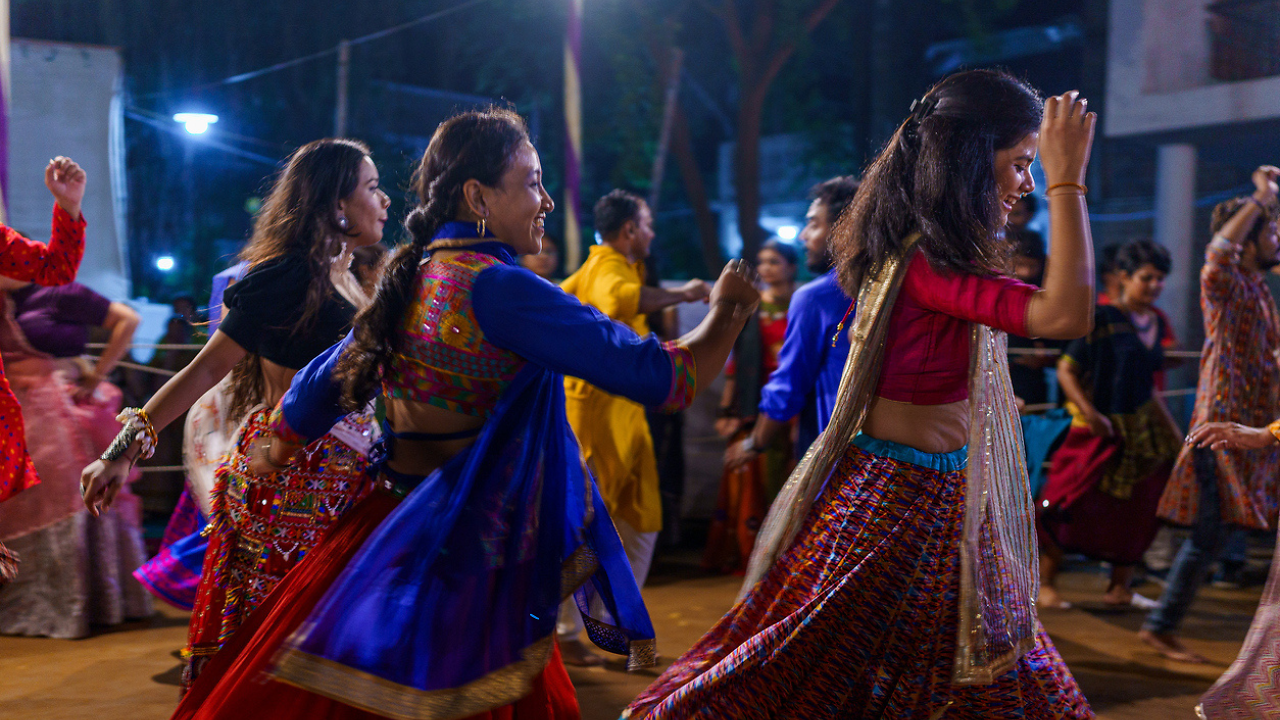
Garba season is back, bringing hours of energetic dancing. While this aerobic activity naturally raises your heart rate, prolonged, high-intensity sessions can strain the cardiovascular system. In 2023, 10 people died within 24 hours while performing Garba.So, how do you distinguish a normal exercise response from a warning sign?Why Does Your Heart Race During Garba?Dr. Anesh Jain, Cardiologist, Ruby Hall Clinic, Pune, told HealthandMe that two factors drive a faster heartbeat during Garba:Exercise: Working muscles need more oxygen, making the heart pump faster.Adrenaline: Loud music, excitement and crowds trigger adrenaline release, further increasing heart rate.Also read: Weekend Workouts: Why Sudden Intense Exercise May Put Stress on Your HeartWhen Is A Racing Heart Normal?Dr. Nimit Shah, Consultant Interventional Cardiologist, Saifee Hospital, Mumbai, told HealthandMe that the heart beats faster during Garba to supply oxygen-rich blood to working muscles.A normal exercise response typically involves:A steady increase in heart rate that matches the intensity of dancing.Breathing that settles with rest.A heartbeat that gradually slows after stopping.However, a sudden or irregular heartbeat, or one that remains unusually fast despite rest, should not be ignored.Warning Signs: When To Stop DancingDr. Anesh advised stopping immediately if you experience:Unusual breathlessness: Struggling to speak or catch your breath.Chest discomfort: Pain, pressure or heaviness in the chest, arm, neck, shoulder or jaw.Dizziness: Feeling lightheaded or faint.Irregular palpitations: A pounding, skipping or erratic heartbeat.Persistent rapid heartbeat: A heart rate that does not settle with rest.Chest pain, severe breathlessness or fainting requires emergency medical attention.Read More: Strong Enough for HYROX, But Is Your Heart Fit Enough?What Increases Heart Strain During Garba?Several factors can increase the risk of complications:Dehydration: Heavy sweating causes fluid and electrolyte loss, potentially contributing to palpitations.Sudden intense exercise: Hours of vigorous dancing can strain the body, particularly in people unaccustomed to exercise.Low blood sugar: Fasting or inadequate food intake can cause weakness, dizziness and a rapid heartbeat.Excessive caffeine: Caffeine and energy drinks can trigger palpitations in some people.“Prolonged dancing, dehydration, excessive sweating and inadequate food intake can put stress on the body,” Dr. Nimit said.People with heart conditions, high blood pressure, diabetes or a history of abnormal heart rhythms should take extra precautions.How To Protect Your Heart During Garba Dr. Nimit recommended warming up, gradually increasing dance intensity, taking regular breaks and staying hydrated. Avoid prolonged dancing in hot, crowded venues.Other precautions include:Eat adequately before dancing.Get enough sleep.Avoid excessive caffeine and energy drinks.Consult your doctor about safe exercise levels if you have a heart condition.What To Do If Your Heart Starts RacingIf your heartbeat feels unusually fast or irregular:Stop dancing and move to a cooler, well-ventilated area.Rest in a comfortable, supported sitting position.Sip water if you are fully alert and can swallow normally.Seek medical help if symptoms persist. Call emergency services for chest pain, severe breathlessness or fainting.Do not push through symptoms or rely on hydration and breathing exercises to manage possible cardiac warning signs.The experts advised that Garba should be a celebration, not a test of endurance. Recognizing warning signs, taking breaks and respecting your limits can help you dance safely.