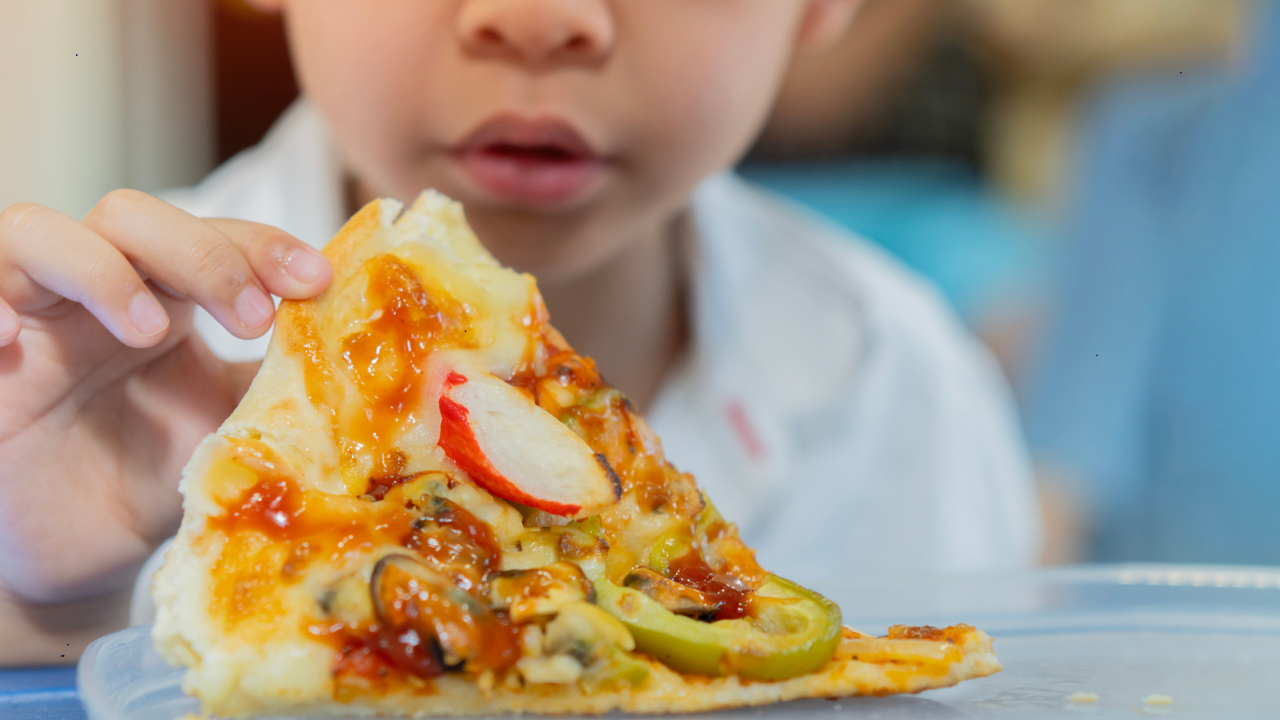
A whopping 41 million children between the ages of 5 and 19 are living with high body mass index (BMI) in India, according to a recently released report. The World Obesity Atlas 2026 shows that India is now among the top three countries globally for the highest number of children affected by overweight. Nearly 14 million children in the same group were also found to be obese, the report showed. In children aged 10-19 years, more than 26.402 million were overweight or obese. Between 2010 and 2025, India had a 4.8 percent increase in the prevalence of high BMI and obesity among children aged 5-19 years. High BMI To Surge Chronic Disease By 2040 In India By 2040, the report also projected a substantial increase in the risk of diseases among children aged 5-19 years due to a high BMI in India. This includes: Hypertension (high blood pressure) is expected to spike by 4.21 million from 2.99 million hyperglycemia (high blood sugar) to 1.91 million from 1.39 million high triglycerides (excess fats in the blood) to 6.07 million from 4.39 million metabolic dysfunction-associated steatotic liver disease (MASLD) to 11.88 million from 8.39 million Childhood obesity in India is expected to surge to a whopping 56 million by 2040 -- nearly a 20 percent rise from 2025, according to the report released by the World Obesity Federation. Of the 56 million, about 20 million children in the country will be obese, while the remaining 36 million will be overweight. Globally, the number of children aged 5-19 years living with obesity or overweight is predicted to increase to 507 million by 2040 -- from 419 million in 2025. Another report, Children in India 2025, raised the concerns of high triglyceride levels -- too much fat in the blood -- among children in India. Over one-third of Indian children aged 5–9 have high triglycerides. High Triglycerides can increase the risk of heart disease, Type 2 Diabetes, fatty liver, and pancreatitis, especially when combined with obesity or unhealthy lifestyles. How To Prevent “Don't keep on buying junk food from outside. Second, get the child involved in activity, physical activity, sports, and games. Third, the family as a whole should commit to being healthy,” Dr. V Mohan, Chairperson of Dr. Mohan's Diabetes Specialities Centre, was quoted as saying to India Today. He also urged to sleep on time, cut down on screen time, and not to watch toxic things on television. "These three or four simple things if you do, childhood obesity can be reduced in India," the noted diabetologist said.Amid rising levels of obesity in the country, Prime Minister Narendra Modi in January 2025 made a clarion call to fight obesity and reduce oil consumption. He called it a "hidden enemy" and a "silent crisis". In response, the Central Board of Secondary Education (CBSE) oin May 2025 issued a directive to install "Sugar Boards" in schools. Later in July, the Ministry of Health also asked for the installation of "sugar and oil boards" in government offices to help build a healthy India. The boards consist of informative posters and digital boards highlighting the harmful impacts of the amount of sugar and oil present in popular food items. It also displays the effects of these foods on the human body as well as shares the recommended amounts of fat and sugar for individual intake.