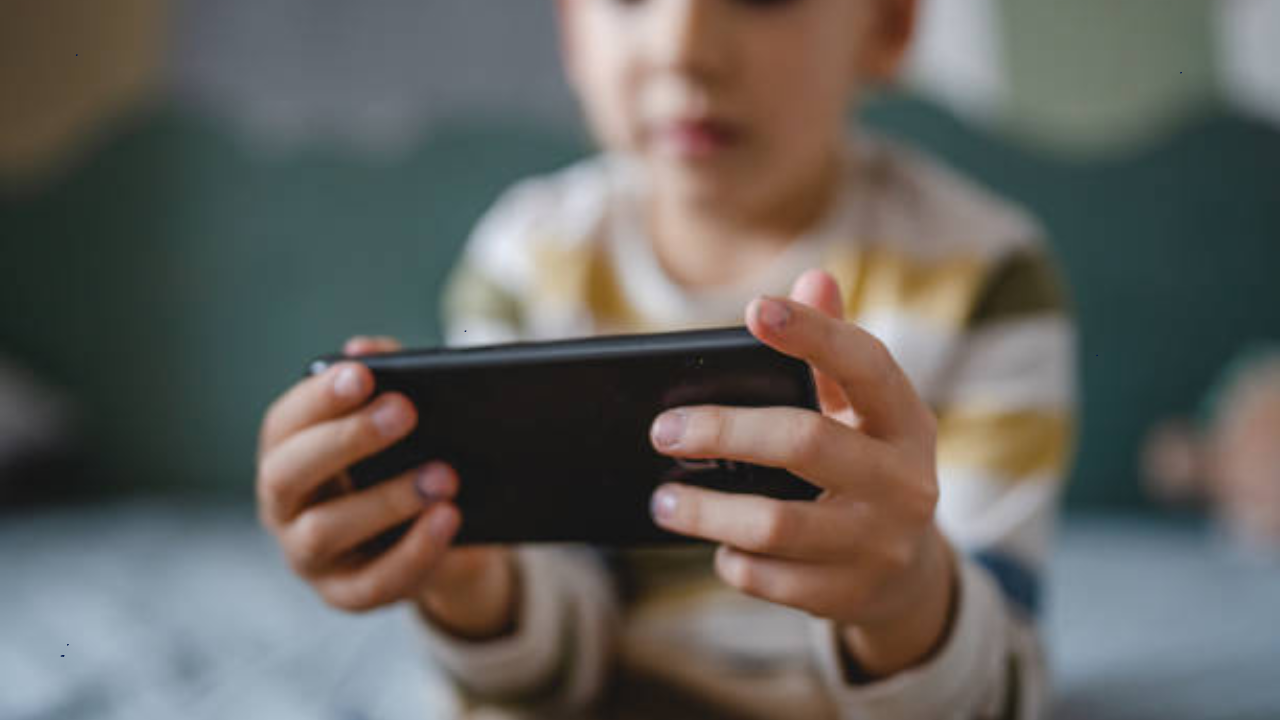
Excessive screen time use is harming sleep, mental health, learning, and development of children, according to a new advisory by the US surgeon general’s office, which urged parents to limit children’s screen time.Even as President Donald Trump's nominee for surgeon general awaits confirmation, the "Harms of Screen Use" bulletin warns that children and teens are spending more time on their digital devices than on sleep or school, the USA Today reported.It noted that excessive screen use is linked to heavy or compulsive screen useanxiety,depression, poor academic performance, behavioral problems developmental delays.Health and Human Services Secretary Robert F. Kennedy Jr. said evidence of risks to children’s physical and mental health is “mounting,” even though screens can also provide some benefits.The advisory promotes the slogan “Live real life,” encouraging children and families to replace excessive screen use with in-person activities and healthier routines.Alongside the report, the officials also released a toolkit recommending steps for parents, schools, healthcare providers, and policymakers to help reduce screen dependence and encourage safer technology habits among young people.The advisory also links excessive and "compulsive" screen use to poor sleep and school performance, mental health issues like anxiety and depression, behavioral and social issues, substance abuse, and developmental disruptions. The report aligns with recent studies, which show how too much screen time affects developing minds. Recent findings from the All India Institute of Medical Sciences, Delhi, suggest that early digital exposure to children before the age of one increases the baby's risk of autism.The findings led by the Department of Pediatric Neurology showed that infants exposed to high levels of digital media at around one year of age are significantly more likely to display autistic signs by the time they reach age three. India has also issued pediatric and education guidelines advising parents to limit screen exposure for young children, though there is no nationwide ban. States like Karnataka and Andhra Pradesh have also taken up action against social media use and screen time.Countries banning screen timeWhile countries are not fully “banning” screen time, several of them have introduced restrictions, guidelines, or proposed laws aimed at reducing children’s screen time, especially around smartphones and social media in schools.France banned smartphones in primary and middle schools in 2018 and has tested stricter “digital pause” policies for students under 15.China has some of the world’s toughest rules, including limits on video game play for minors, restrictions on nighttime gaming, and proposed limits on smartphone use for children.South Korea introduced laws targeting gaming addiction among minors, including past shutdown rules that blocked late-night gaming for children.Netherlands and Finland have encouraged schools to restrict phones in classrooms to improve concentration and learning.Australia has debated stronger social media age restrictions, and several states have tightened school phone bans.United Kingdom schools widely enforce smartphone bans, while lawmakers continue discussing stricter online safety rules for children.Sweden has pushed for reduced screen exposure in early childhood education, emphasizing printed books and traditional learning methods.