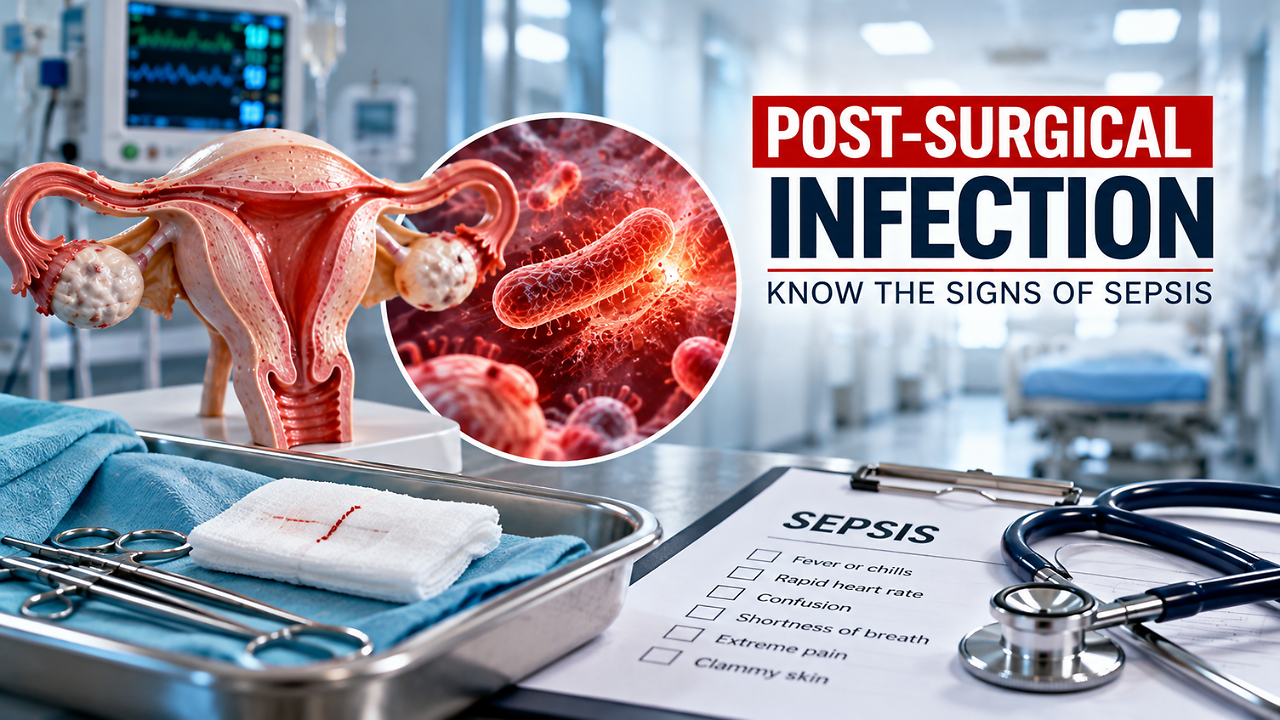
A 46-year-old mother of six in Oregon, US, lost both legs and suffered multiple life-altering injuries after developing a severe infection following a hysterectomy. According to a lawsuit alleging medical negligence, Trisha Stevens underwent the hysterectomy in October 2024. The lawsuit alleges that her infection was not diagnosed on time and treated promptly, which eventually led to peritonitis, septic shock and multiple organ failure. Stevens and her husband are seeking $68.5 million in damages from several doctors and Legacy Health. The allegations have not been established in court yet. Stevens lost both legs above the knees, her right hand and parts of her left hand. She also lost parts of her lips and tongue and suffered spinal cord damage that left her paralysed from the waist down. “I came home having lost both of my legs and my right hand. My left hand was left unusable after the necrosis. I lost parts of my lips and tongue, and I live with paralysis in a body that no longer responds the way it once did,” Stevens told local news outlet KGW. Her husband, Brian, now cares for her as she navigates the physical, mental and emotional consequences of the sepsis. What Is Sepsis? Also read: ‘Life-Saving’ Martha’s Rule To Expand To Emergency Departments Across England: What It MeansSepsis is a life-threatening medical emergency that occurs when the body's response to an infection gets dysregulated, damaging its own tissues and organs. It can develop from infections affecting the lungs, urinary tract, skin or gastrointestinal system, as well as infections after a surgery. Without timely treatment, sepsis can progress to organ failure and death. In severe cases, it can cause septic shock, in which blood pressure falls dangerously low and organs receive insufficient blood flow. Stevens' case involved peritonitis, an inflammation of the tissue lining the abdominal cavity, followed by septic shock, according to the lawsuit.Severe infection and septic shock can disrupt blood circulation and reduce oxygen delivery to tissues. When blood flow becomes critically inadequate, tissue can die, which is known as necrosis. In some cases, surgeons may need to amputate affected limbs to remove dead or severely damaged tissue and prevent further complications. However, limb loss is not an inevitable outcome of sepsis. It represents a severe complication that can occur in some critically ill patients. Warning SignsThe US Centers for Disease Control and Prevention identifies several possible signs of sepsis: Fever, shivering or feeling unusually coldConfusion or disorientationRapid heart rate or a weak pulseShortness of breathClammy or sweaty skinExtreme pain or discomfortAfter surgery, worsening abdominal pain, fever, unusual bleeding, wound discharge or a sudden deterioration in general health warrants urgent medical assessment. Symptoms should not be dismissed simply because a patient has recently undergone a procedure. Sepsis requires immediate evaluation and treatment. Management may include antibiotics, intravenous fluids, support for organ function and, where necessary, surgery to control the source of infection.