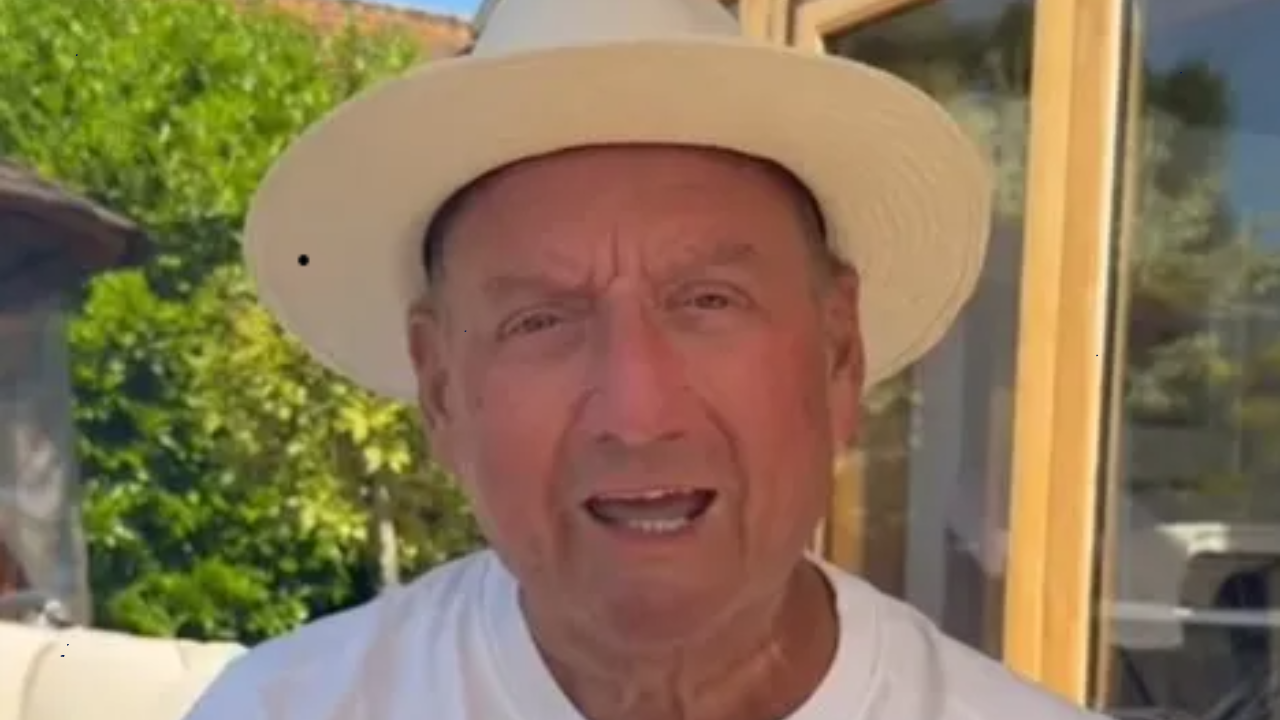
Former Scotland striker Alan Brazil revealed that he has had a liver transplant and that his heart stopped during the surgery."My heart stopped for a bit," said Brazil, who described himself as "incredibly lucky" to have survived a life-saving liver transplant surgery.He announced his surgery last month, after disappearing from the airwaves while covering the Cheltenham Festival in March. During the video announcement, he also revealed a transformation in appearance, having lost weight during the process of the transplant, The Telegraph reported.“I’d been having ongoing trials, so many specialists, and I decided I needed a transplant. I didn’t want to do it, but my kids and Jill [his wife] said, ‘You’ve got to do it, you have to do it, you are doing it," said the 66-year-old, in his first appearance on the radio station since leaving."I finished [work] at quarter to 10, and at 10 I had to phone Addenbrooke's Hospital. They said, 'Get in right now'".Also read:I’m Cancer-Free After 14 Years, Says Robin Quivers"At two thirty that afternoon, I was on the slab, and they opened me up. I was under for something like eight hours."They transplanted my liver. My heart did stop for a bit, and it came back on its own. I'll be frank, I'm very, very lucky to be here," said Brazil, who has presented Talksport’s breakfast show since 2000. He further said: “I’m taking loads of meds ...I’ve just got to be a good boy, rest up, and go and see these people. Hopefully, I’ll get back to 100 per cent. I never realized how bad I was. I feel totally different now. I’m incredibly lucky.”What Is A Liver Transplant?Read more: Forget Supplements: Barbara O'Neill Says Sleep Is The Best MedicineAs per the National Institute of Diabetes and Digestive and Kidney Diseases, a liver transplant is a surgical procedure to replace a diseased liver with a healthy one from a donor. It’s often the last resort when liver failure occurs—whether due to chronic illness or sudden injury.When Is It Needed?People may need a liver transplant for:Alcoholic liver diseaseFatty liver disease (NASH)Cirrhosis due to chronic hepatitis CLiver cancer with cirrhosisAcute liver failure (often due to drug overdose, hepatitis, or toxins)In children, biliary atresia is the most common reason.Types of Liver TransplantsDeceased Donor Transplant:The most common type is where a full or partial liver is taken from someone who has recently died.Living Donor Transplant:A healthy person donates a portion of their liver—typically to a close relative. Both the donor’s and recipient’s liver regenerates to normal size in a few weeks.What Must Be Kept In The Mind?Matching and Compatibility: Blood type, liver size, and health are crucial.Approval Process: Especially important for non-blood relatives.Recovery and Monitoring: Post-op care involves lifelong medication, lifestyle changes, and regular check-ups.