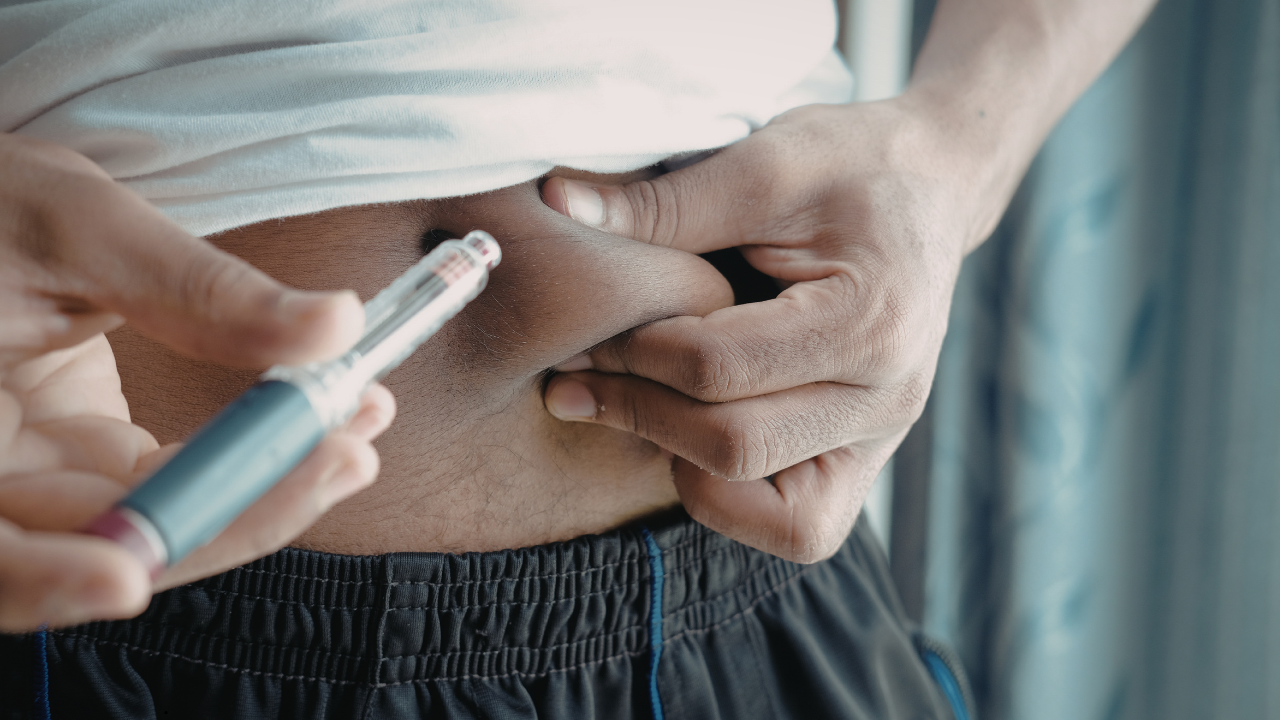
India's Alkem Laboratories is all set to launch a semaglutide injection, meant for weight-loss and diabetes patients, priced merely at weekly cost of Rs 450 - making it one of the cheapest options available in the market.The patent for Novo Nordisk, the original maker of semaglutide, ended on March 20 and since then, numerous pharmaceutical companies have begun releasing their own versions of the blockbuster drug. Alkem Laboratories's drug, marketed under the brand names Semasize, Obesema and Hepaglide in India, will is administered as a once-weekly subcutaneous injection and the organization has revealed a pre-filled disposable injection pen priced at Rs 1,800 for a month’s dosage. Apart from the drug, Alkem is also offering a reusable injection pen for higher maintenance doses, allowing patients to replace only the medication cartridge instead of buying a new device each time in order to reduce long-term treatment costs and improving adherence.The company has received approval from the Drug Controller General of India to manufacture and market semaglutide for Type 2 Diabetes Mellitus and chronic weight management, following a review of Phase 3 clinical trials conducted in India. Other Semaglutide Injection Launches In India Apart from this, NATCO Pharma became the first to introduce Semanat and Semafull for INR 1,290 per month and INR 1,750, about 90 per cent cheaper than Ozempic, costing INR 8,800 per month. Eris Lifesciences also announced its plans to launch a multi-dose vial under the brand name Sundae at the same price. Dr. Reddy’s Laboratories, Sun Pharmaceutical Industries, and Glenmark Pharmaceuticals launched their generic versions of semaglutide. Dr. Reddy’s Obeda is priced at Rs 4,200 per month, available in 2 mg and 4 mg strengths.Sun Pharmaceutical Industries will sell under the brand names Noveltreat (doses ranging from INR 900) and Sematrinity (doses ranging from INR 750). Meanwhile, Glenmark’s GLIPIQ vials range from Rs 325 to Rs 440 per week.Zydus Lifesciences has also announced the launch of its generic version of semaglutide injection under the brand names SEMAGLYNTM, MASHEMATM, and ALTERMET. The average monthly cost of the treatment will be about Rs 2,200, the company said in a statement.Semaglutide: Risks Vs BenefitsIn people with type 2 diabetes, Harvard Health noted that the body's cells are resistant to the effects of insulin and the body does not produce enough insulin, or both. This is when GLP-1 agonists stimulate the pancreas to release insulin and suppress the release of another hormone called glucagon.These drugs also act in the brain to reduce hunger and act on the stomach to delay emptying, so you feel full for a longer time. These effects can lead to weight loss, which can be an important part of managing diabetes.Notably, semaglutide is not just a glucose-lowering drug, it improves weight and has proven cardiovascular, liver, and renal benefits.Wider availability could therefore help reduce long-term complications such as heart disease and kidney failure. If used appropriately, this could indeed be a major step forward in total metabolic care, the experts said.“The increasing affordability of GLP-1 receptor agonists is a double-edged development. On one hand, it significantly improves access for patients with obesity, type 2 diabetes, and high cardiovascular risk, conditions that are highly prevalent in India. These drugs have demonstrated meaningful benefits in weight reduction, glycemic control, and even cardiovascular risk reduction, which could translate into long-term public health gains,” Dr Vivek Bindal, Senior Director & Head, Bariatric and Robotic Surgery, at Max Healthcare, told HealthandMe.A recent study published in The Lancet Psychiatry journal showed that Ozempic can also help tackle the burden of depression, anxiety, and self-harm in high-risk diabetic patients.However, the benefits are conditional as it depends on appropriate prescribing, reliable product quality, and adequate patient monitoring, said Dr. Anoop Misra, who heads Delhi’s Fortis-C-DOC Centre for Diabetes and Endocrinology, told HealthandMe.."These drugs should be strictly prescribed by qualified doctors and used only for therapeutic purposes, not for cosmetic weight loss,” Dr. Mohan said.Urging for careful monitoring of side effects, the expert also called for more Indian data and strict pharmacovigilance.“This also presents a great opportunity for India to make these drugs affordable and accessible to other developing countries across Asia and Africa,” the noted diabetologist said.The experts also warned of “indiscriminate or unsupervised use” due to low cost.This is particularly for cosmetic weight loss without proper medical evaluation, said Dr. Bindal.“GLP-1 therapies are not ‘quick fixes’ -- they require careful patient selection, dose titration, and monitoring for side effects such as gastrointestinal intolerance or, rarely, pancreatitis,” he added.However, the focus should remain on holistic obesity management, including lifestyle modification, rather than over-reliance on pharmacotherapy alone.